




start
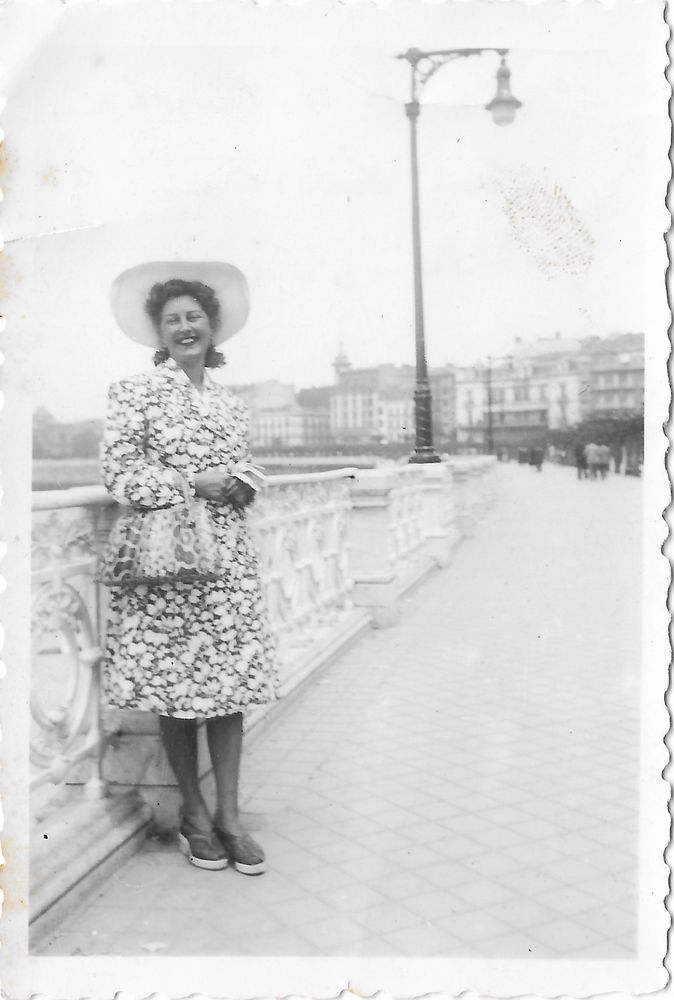
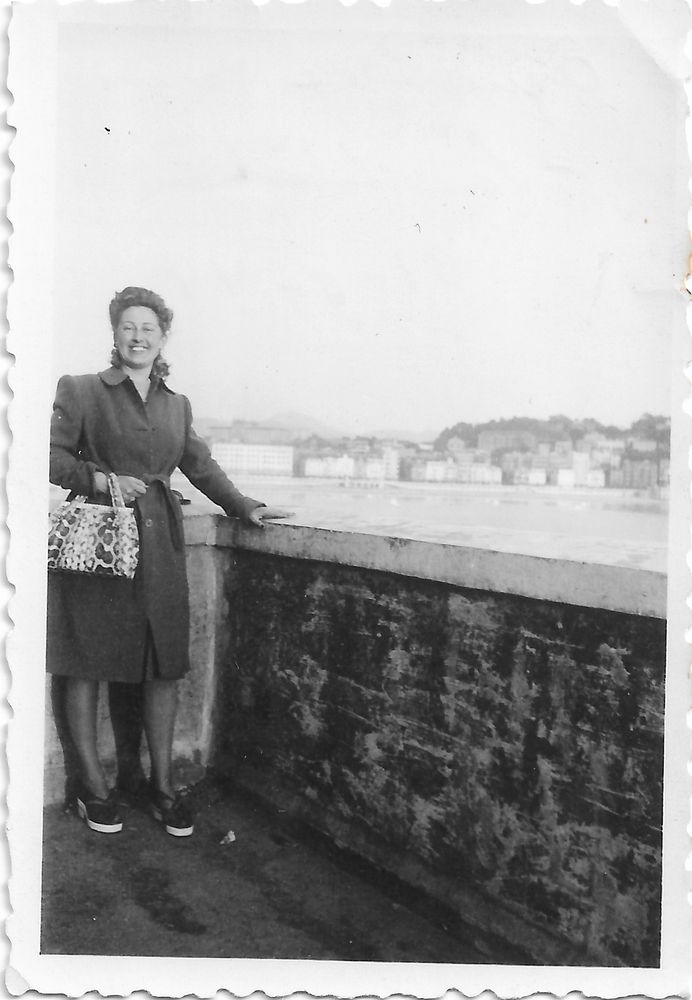
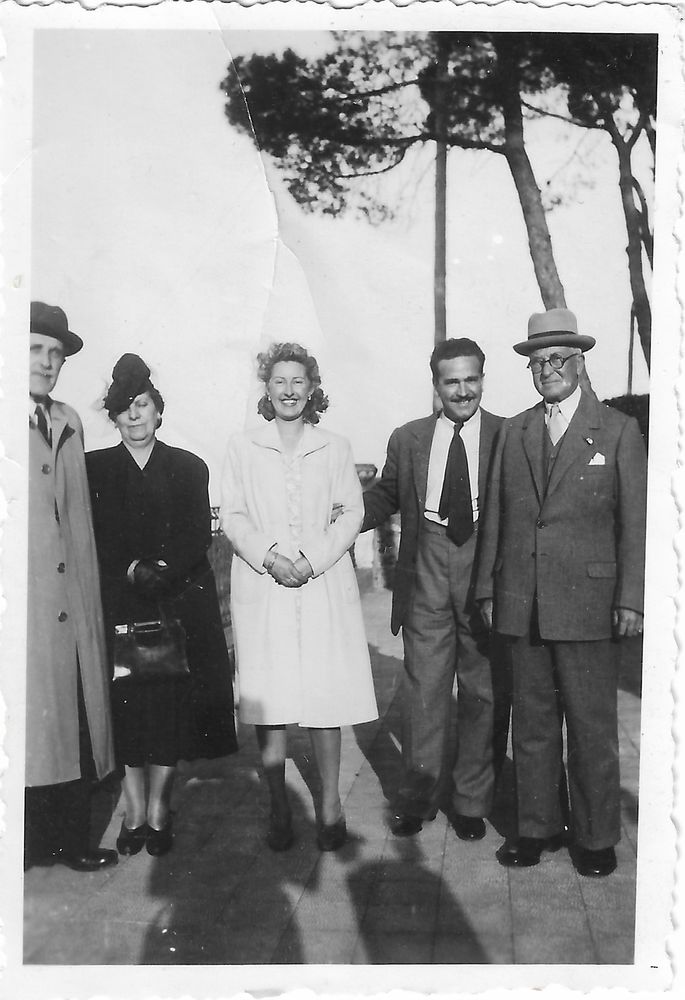
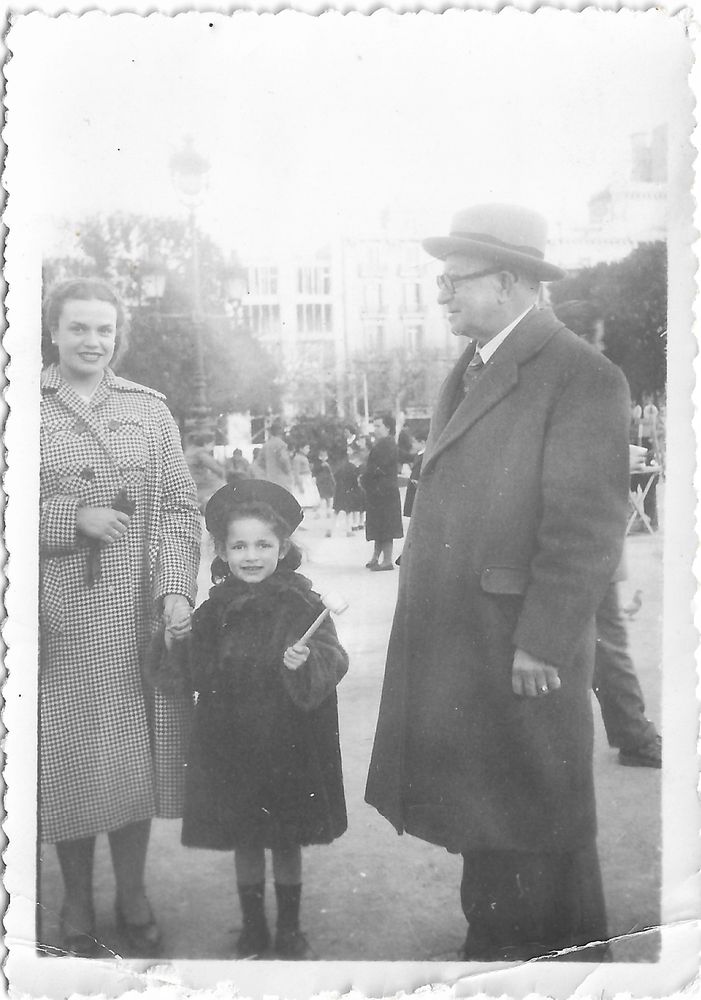
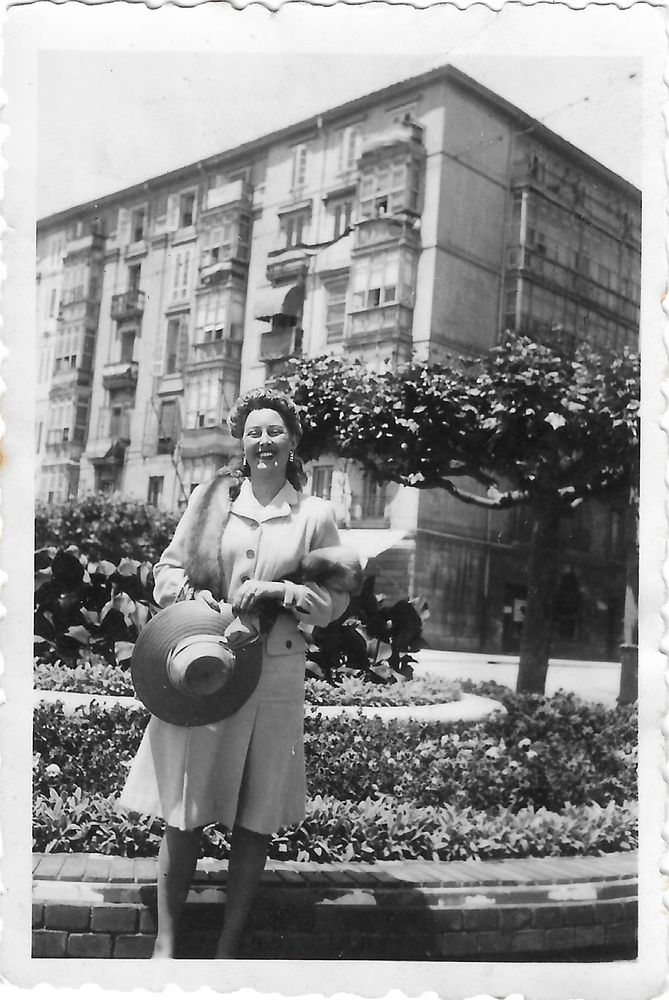
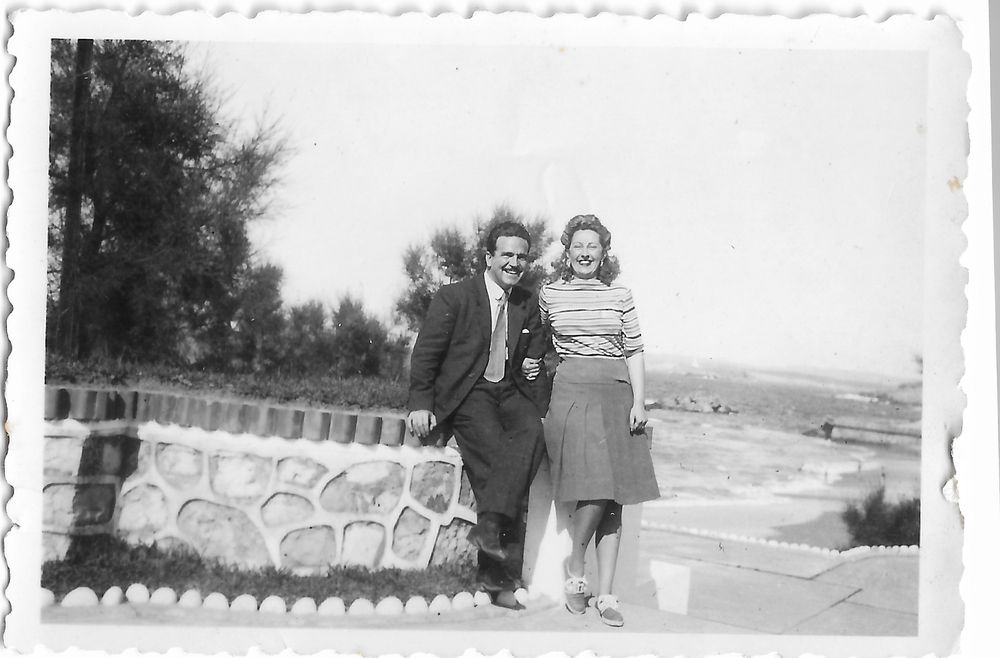
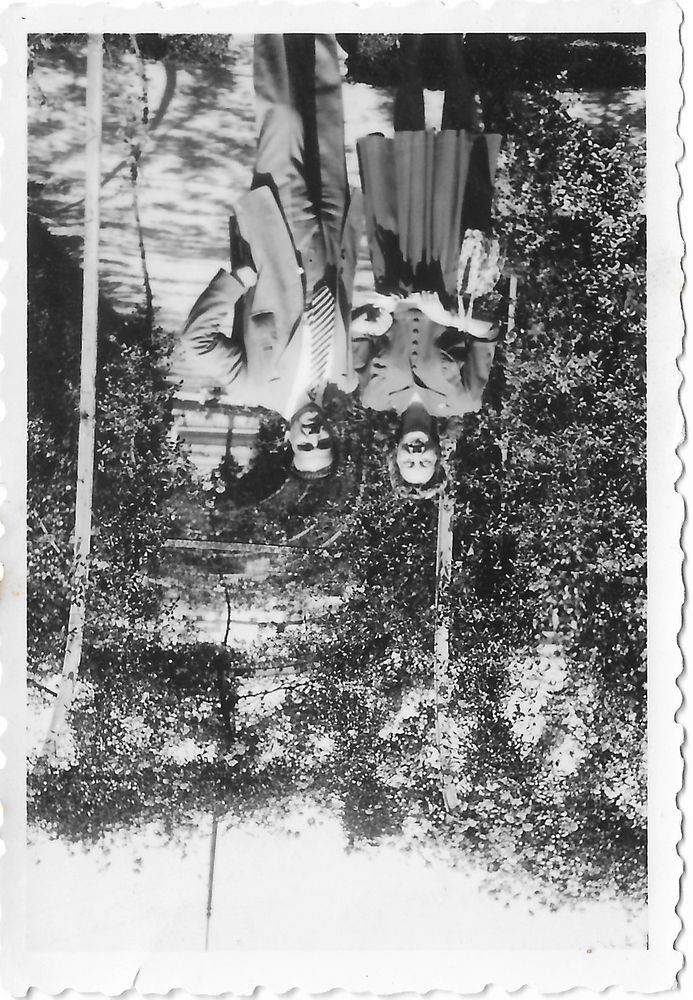
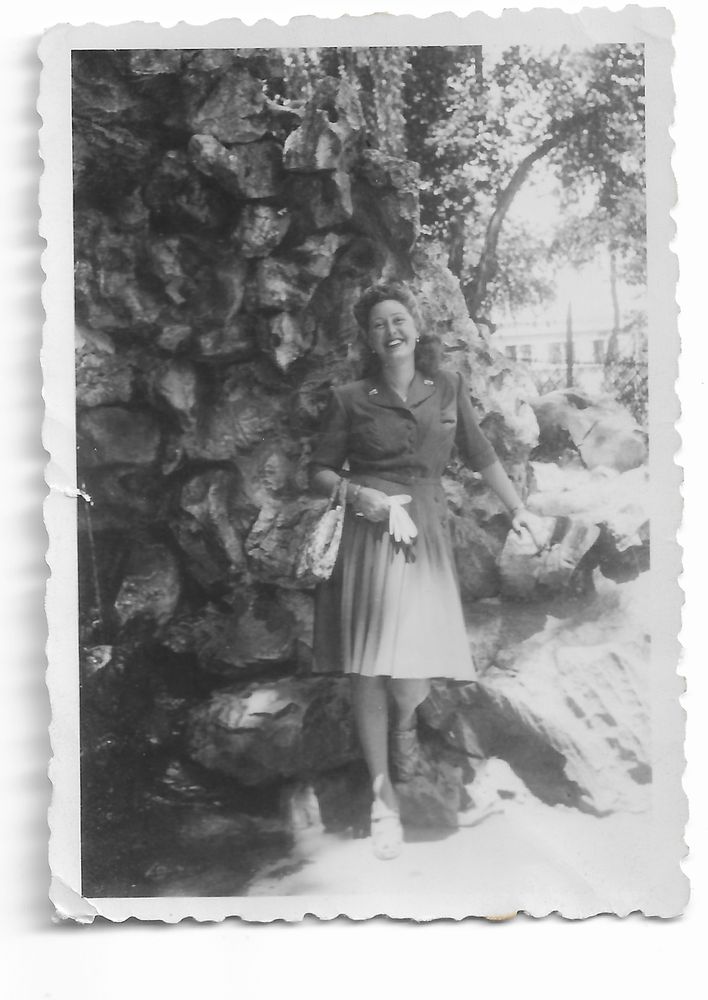
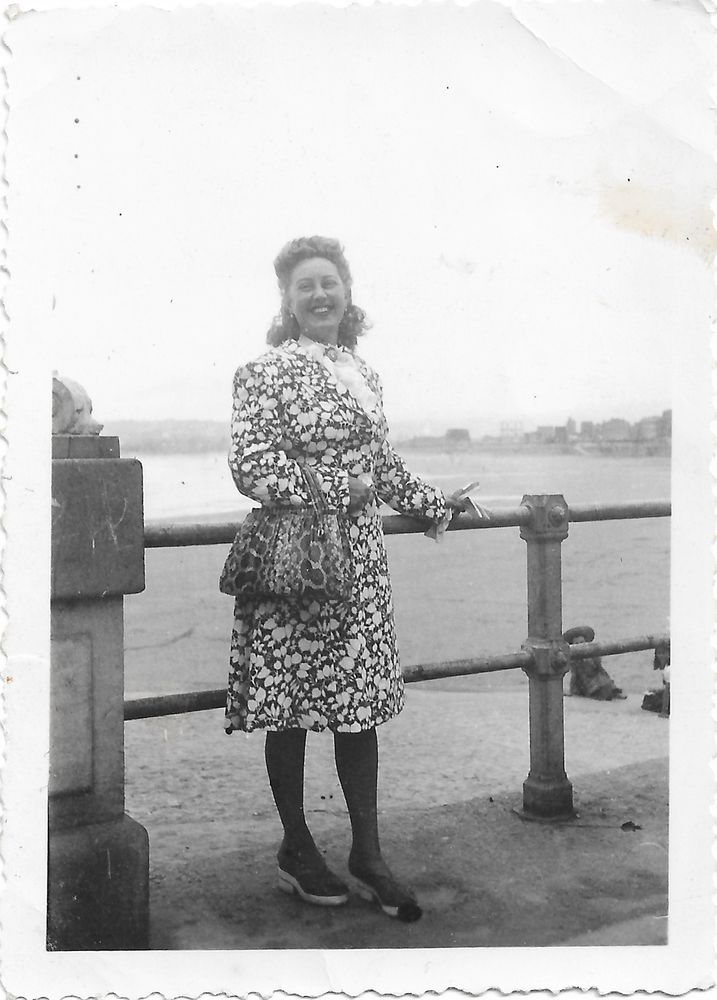
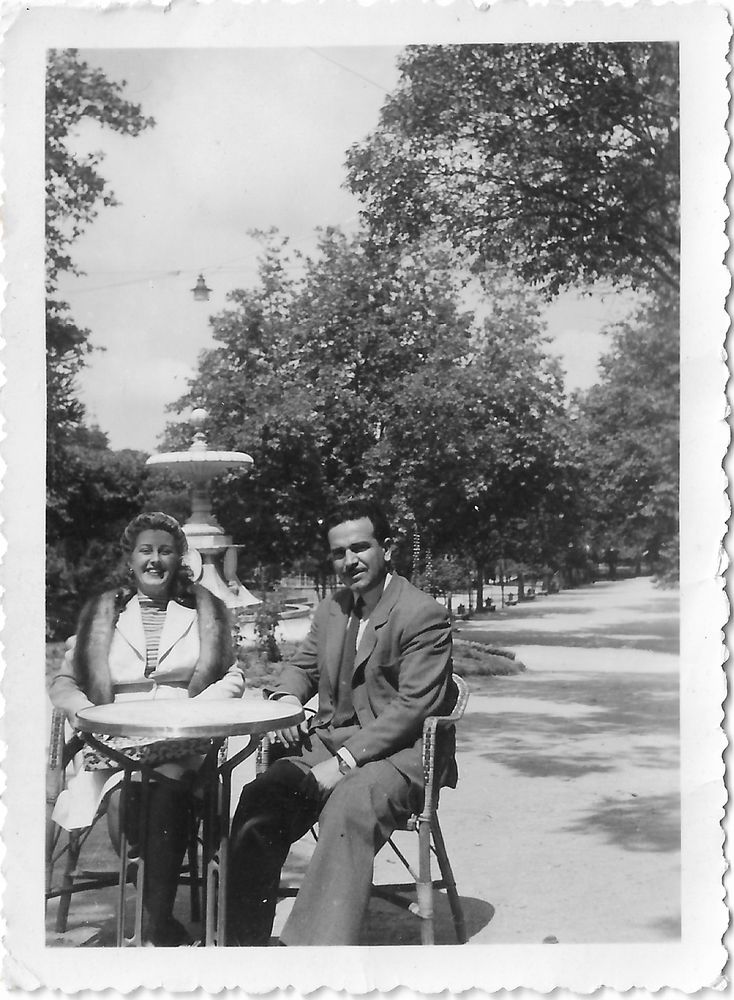
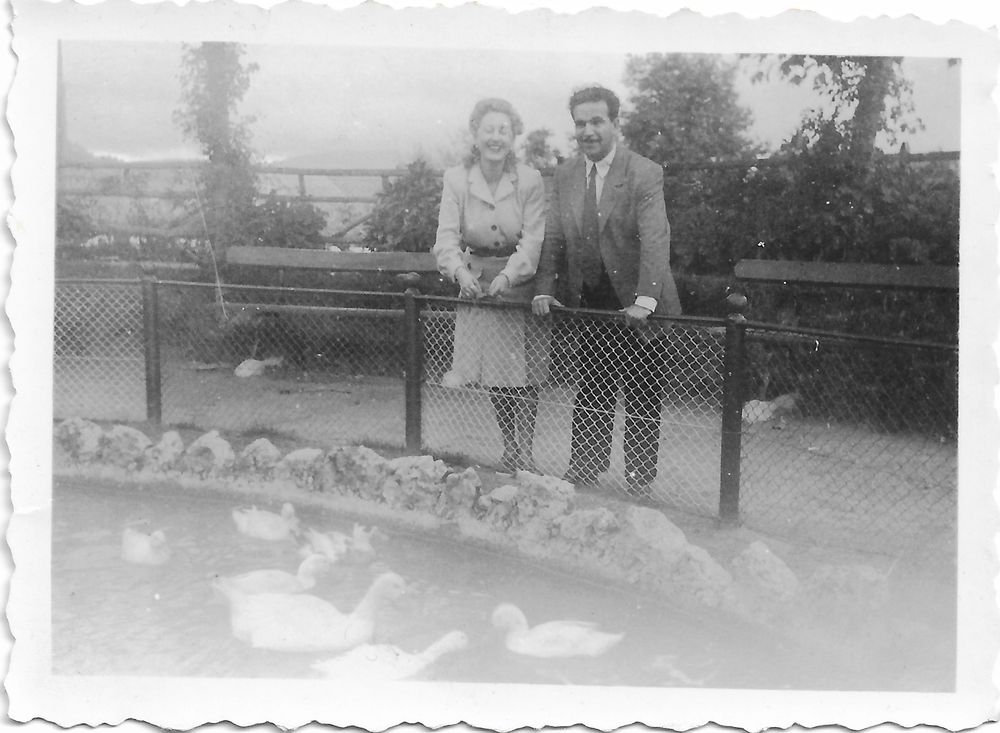
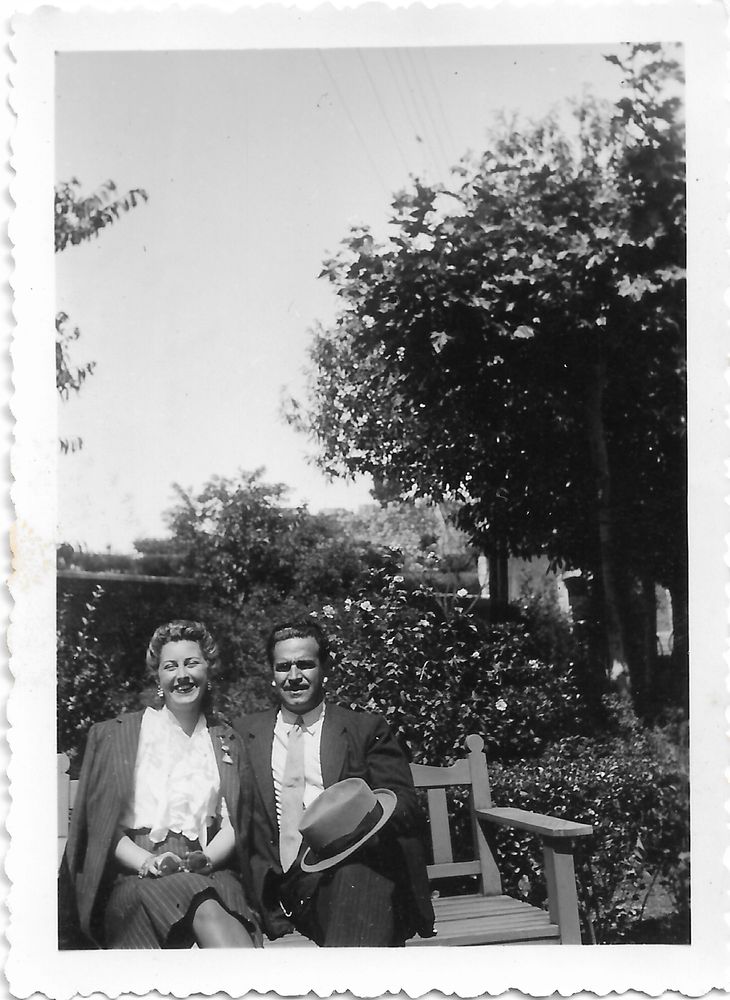
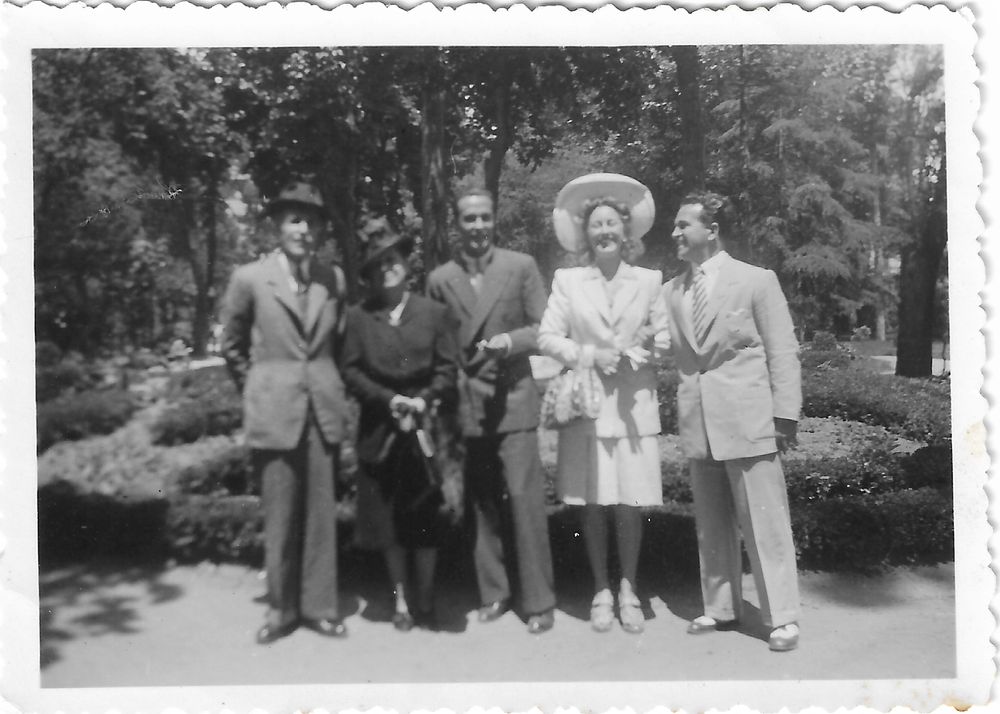
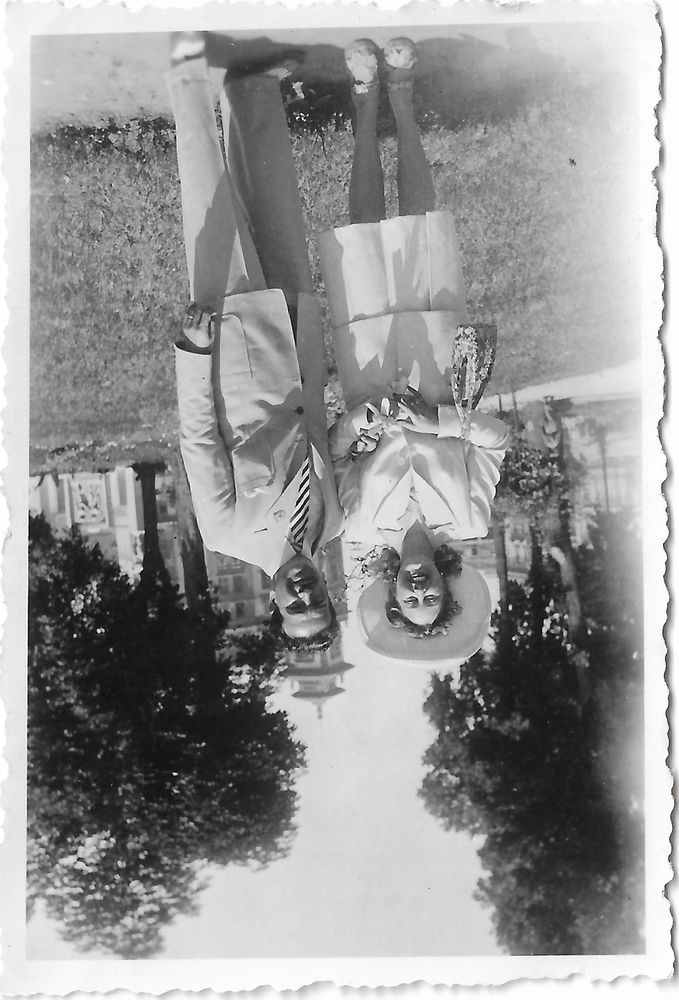
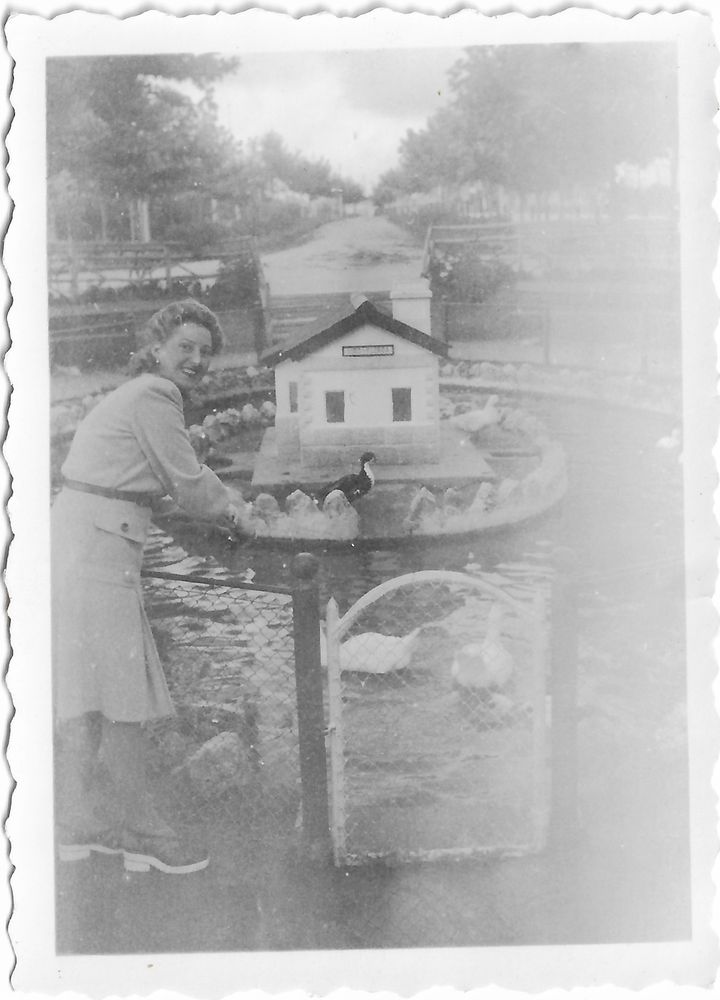
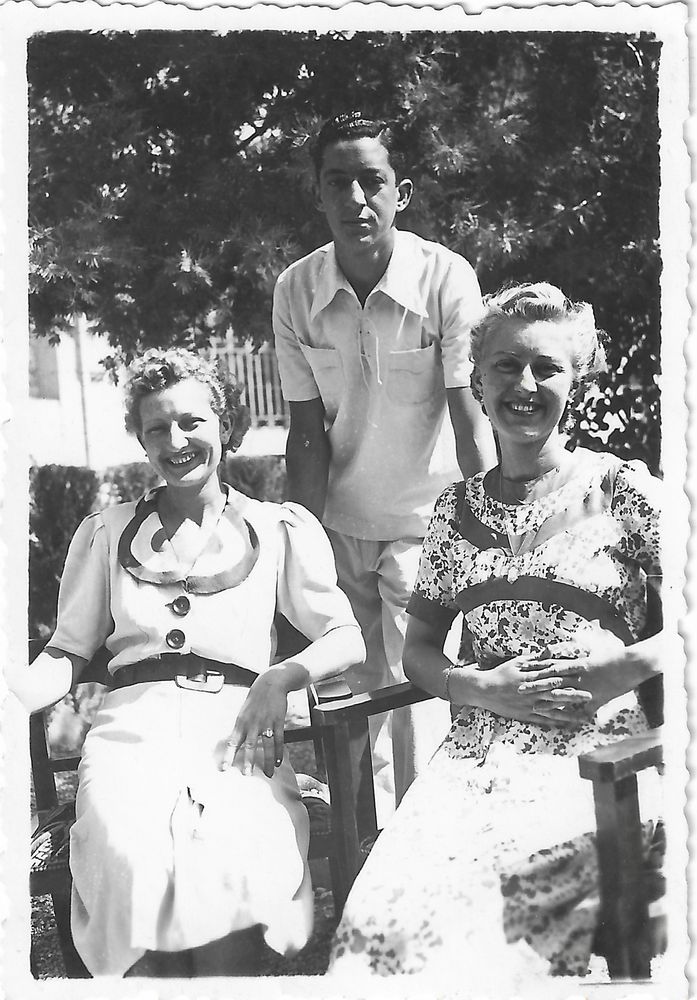
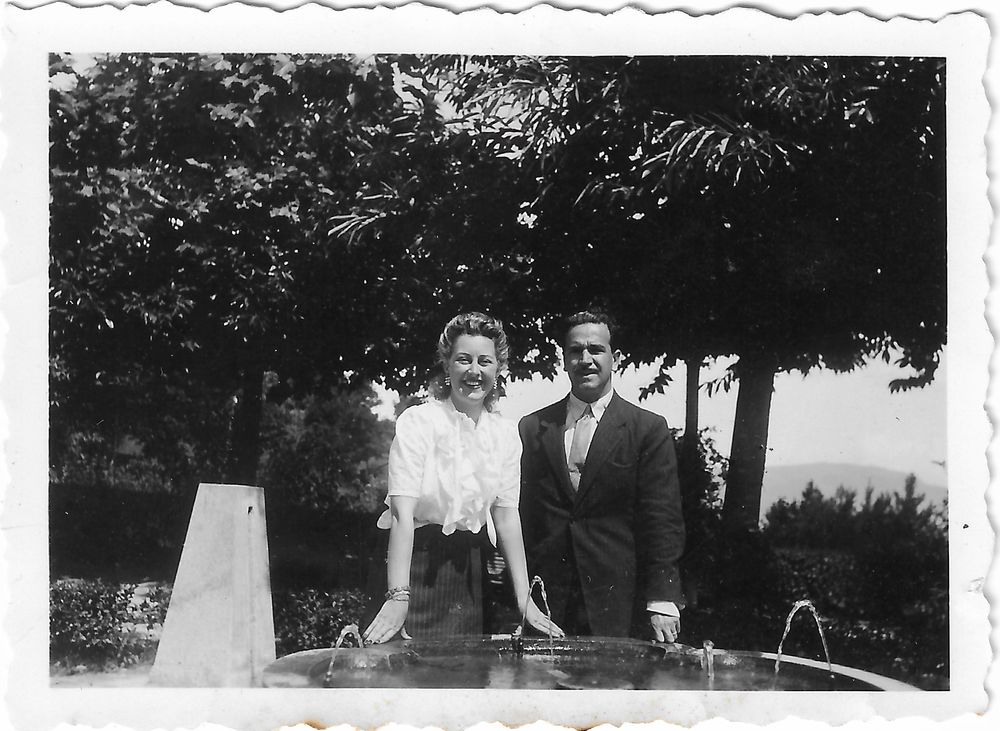
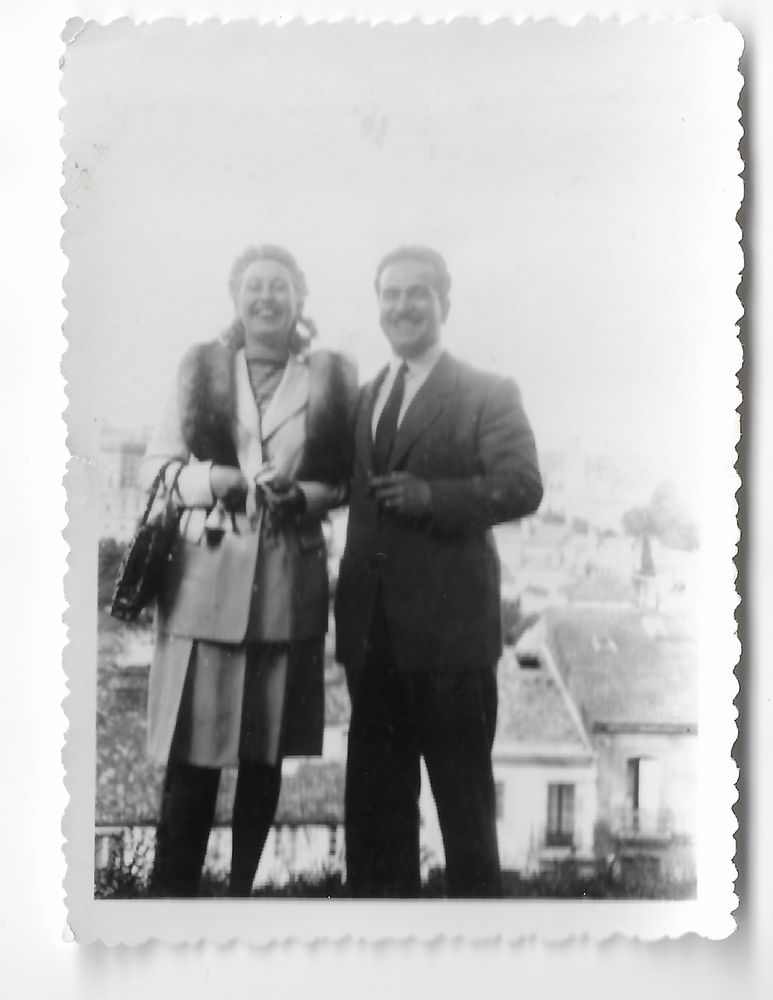
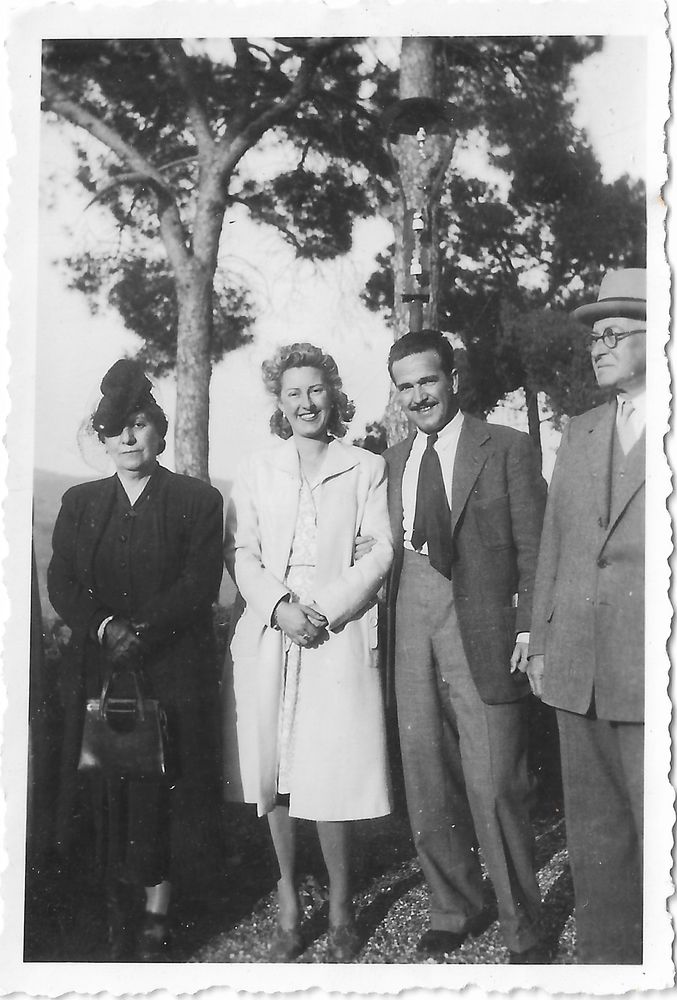
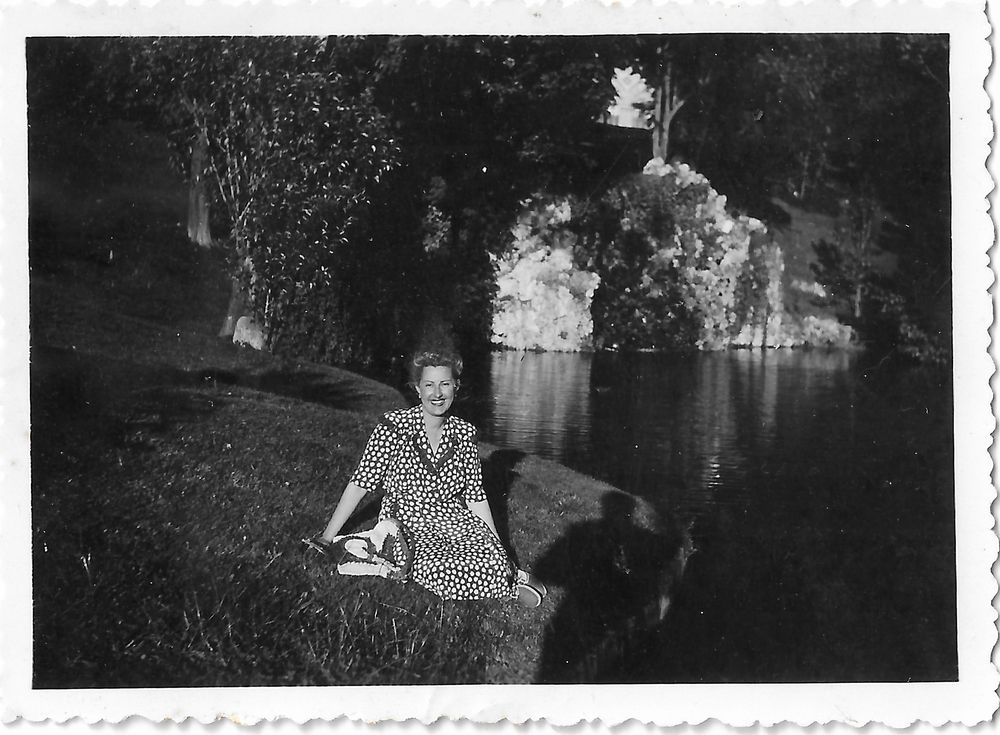
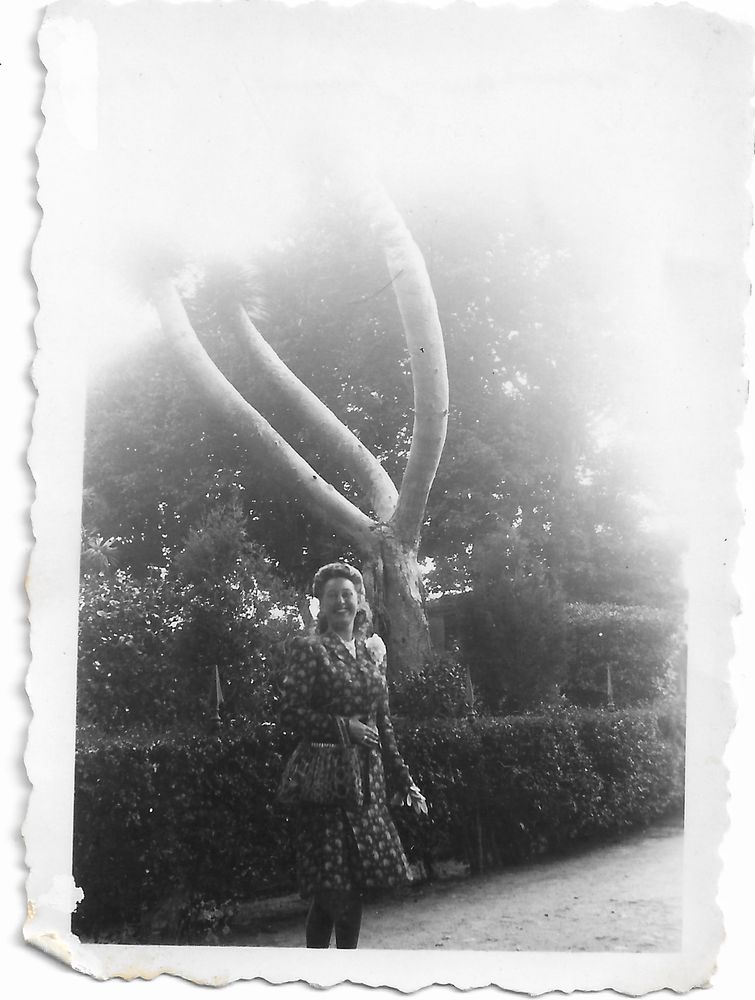
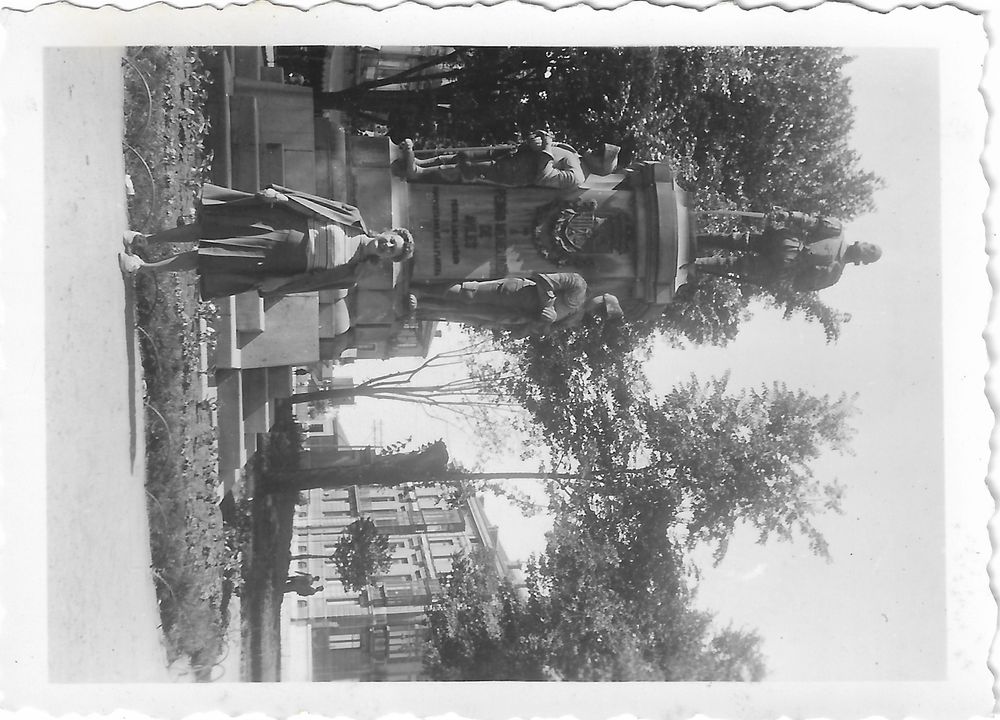
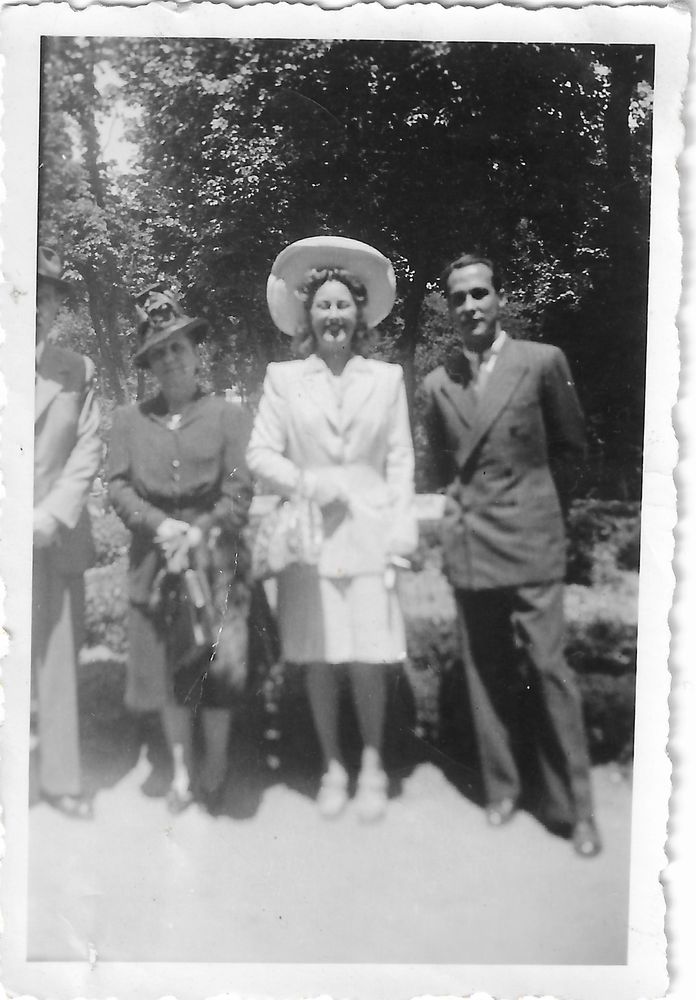
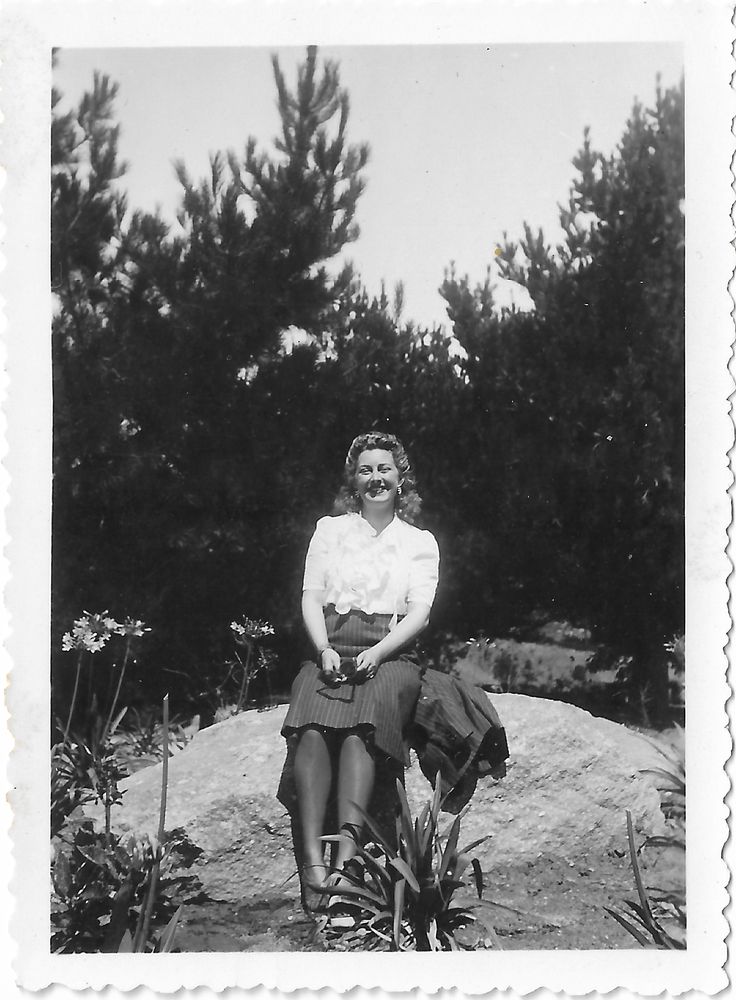
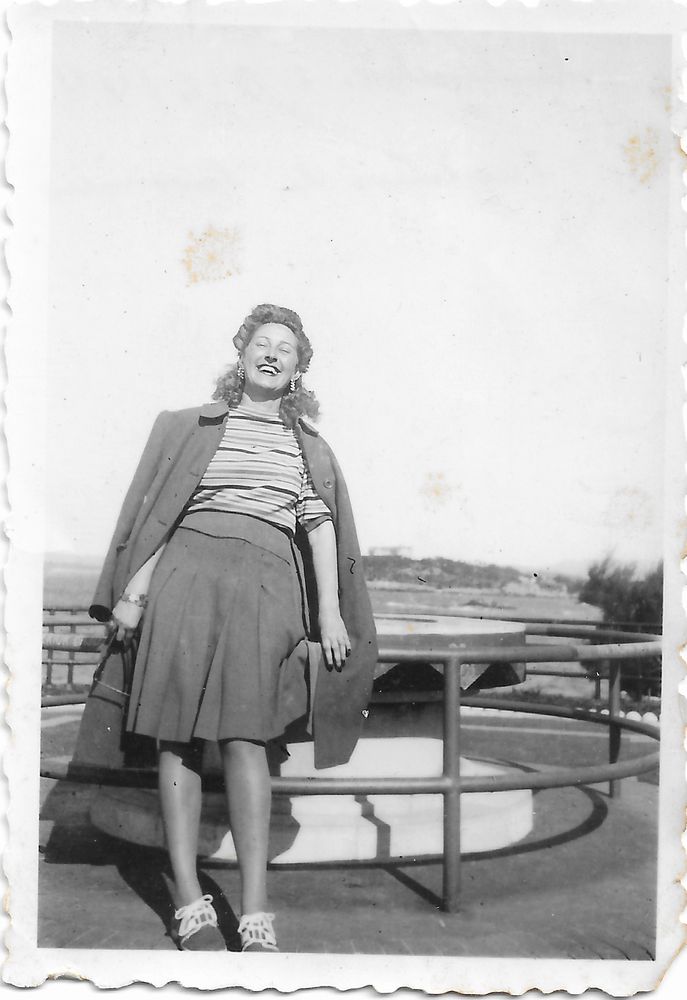
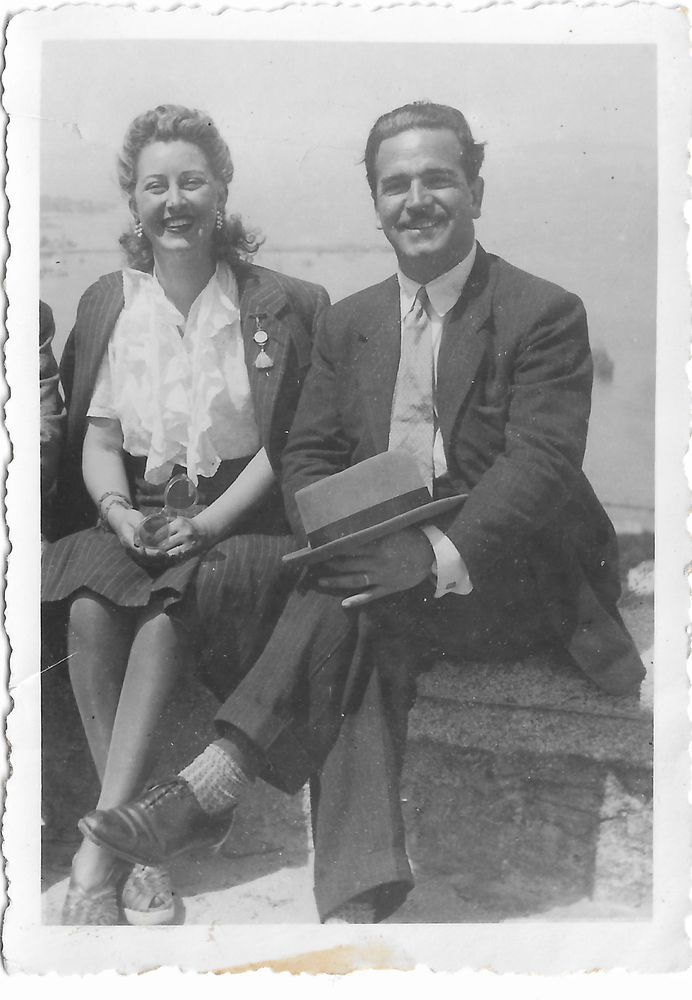
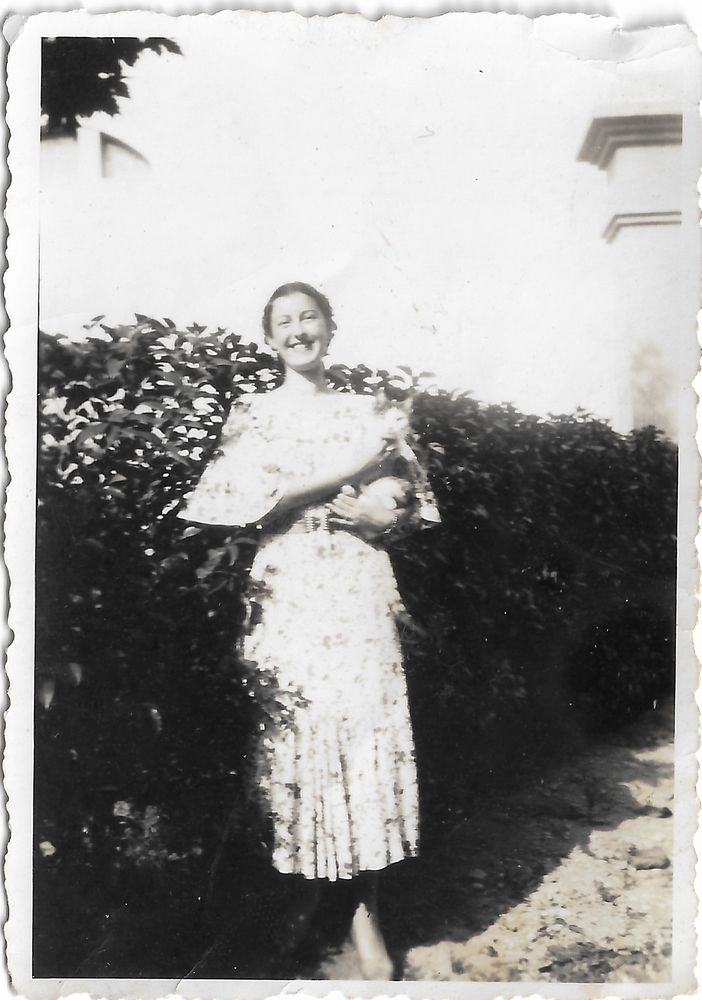
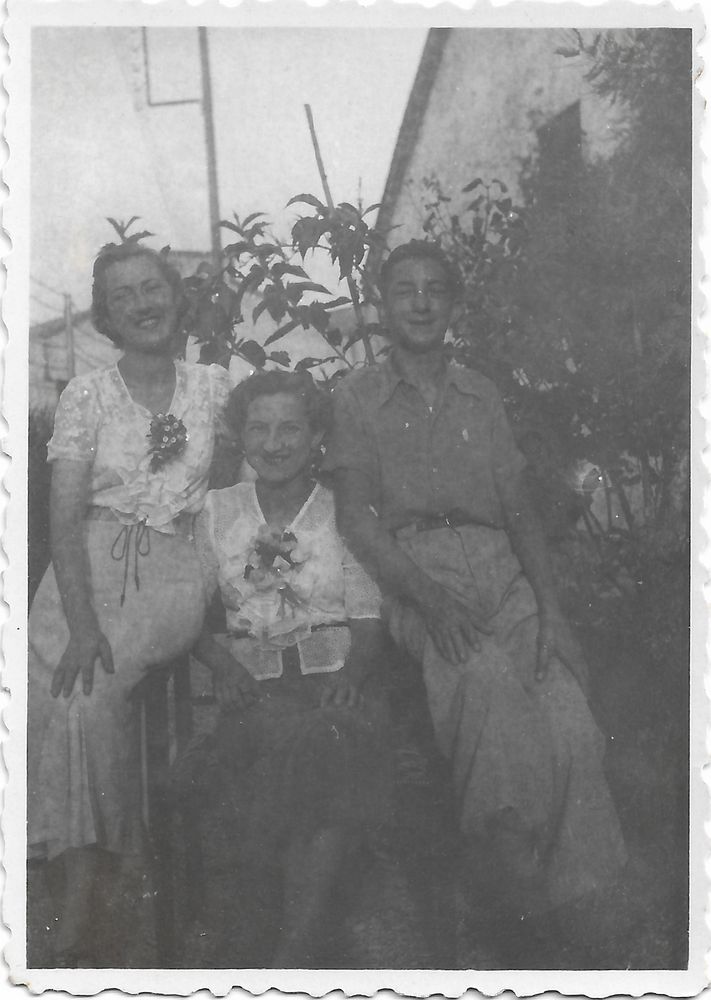
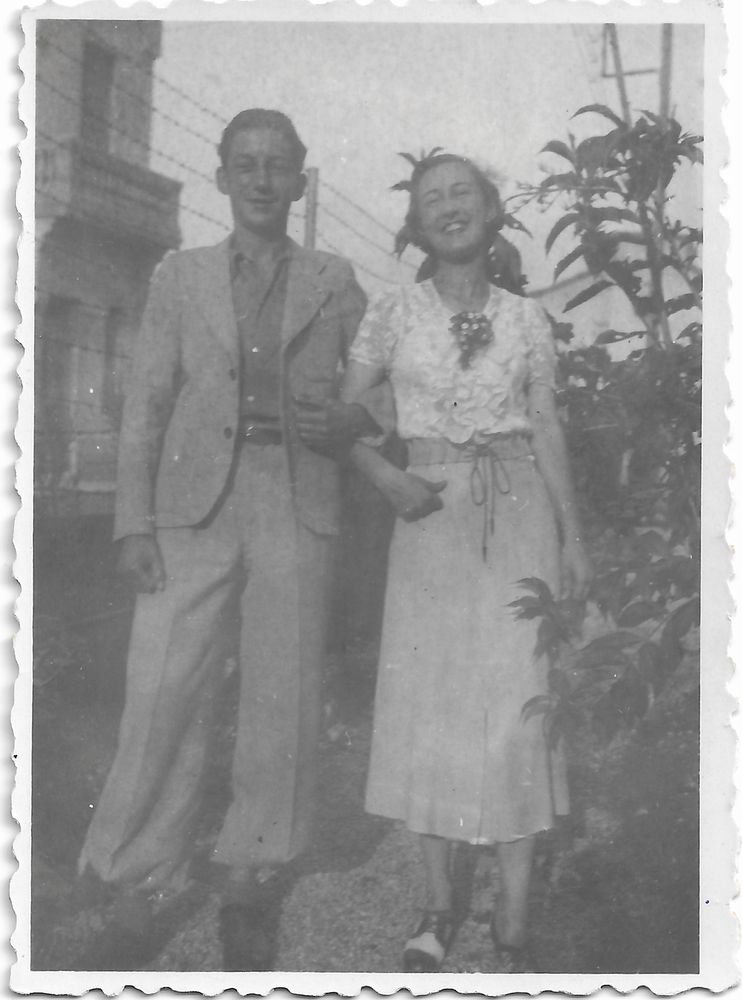
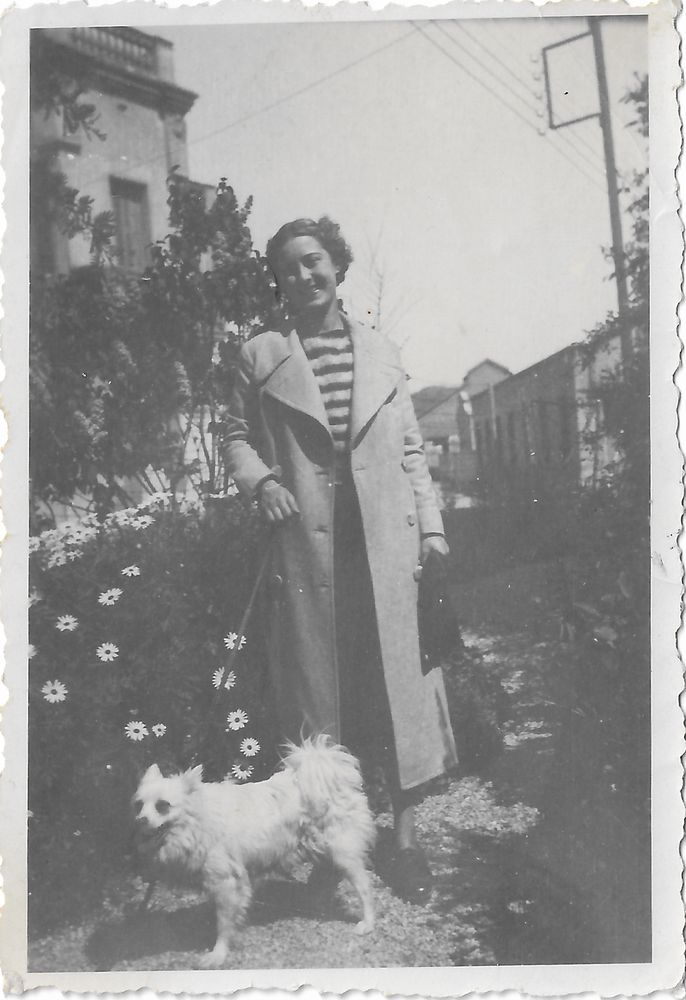
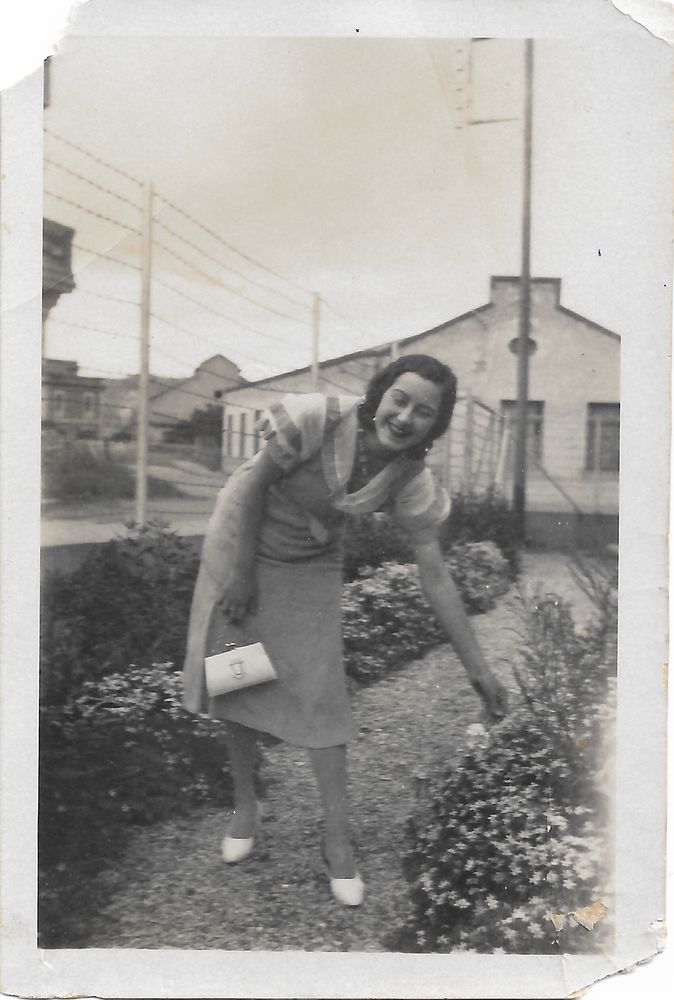
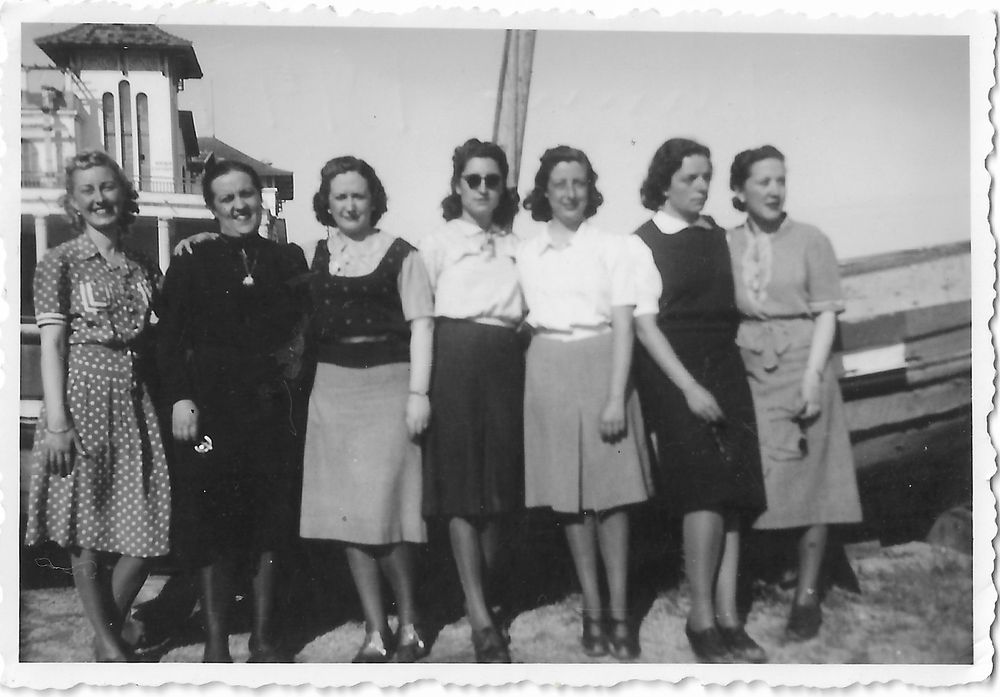
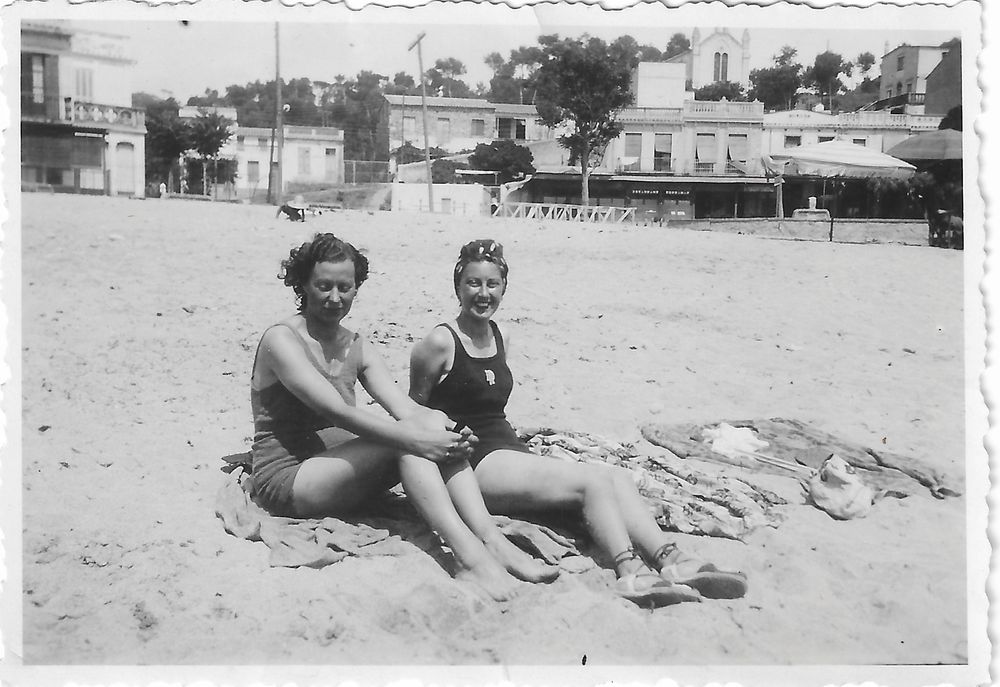
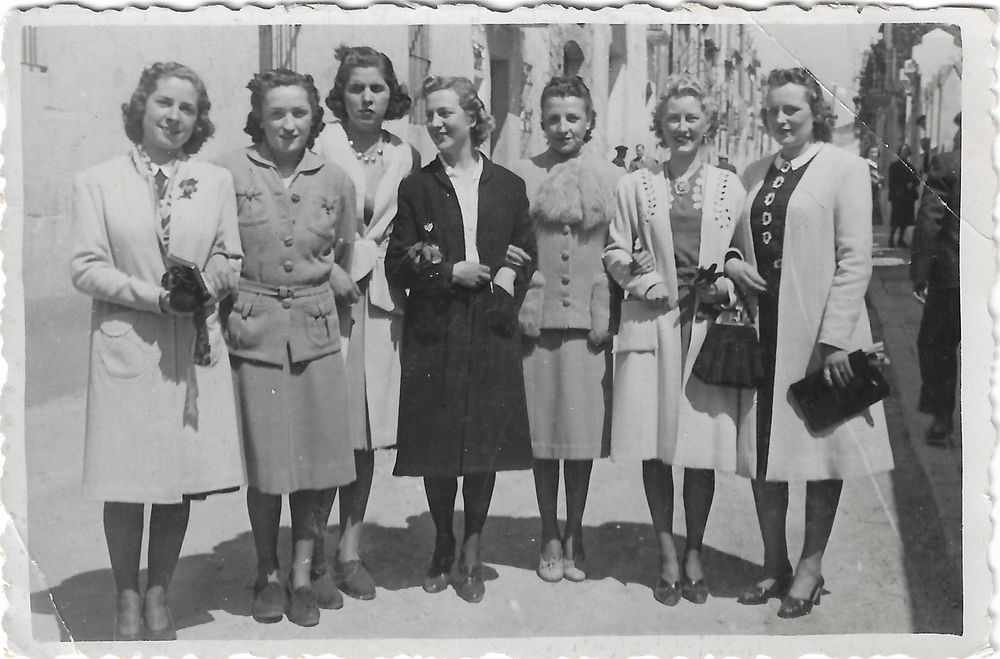
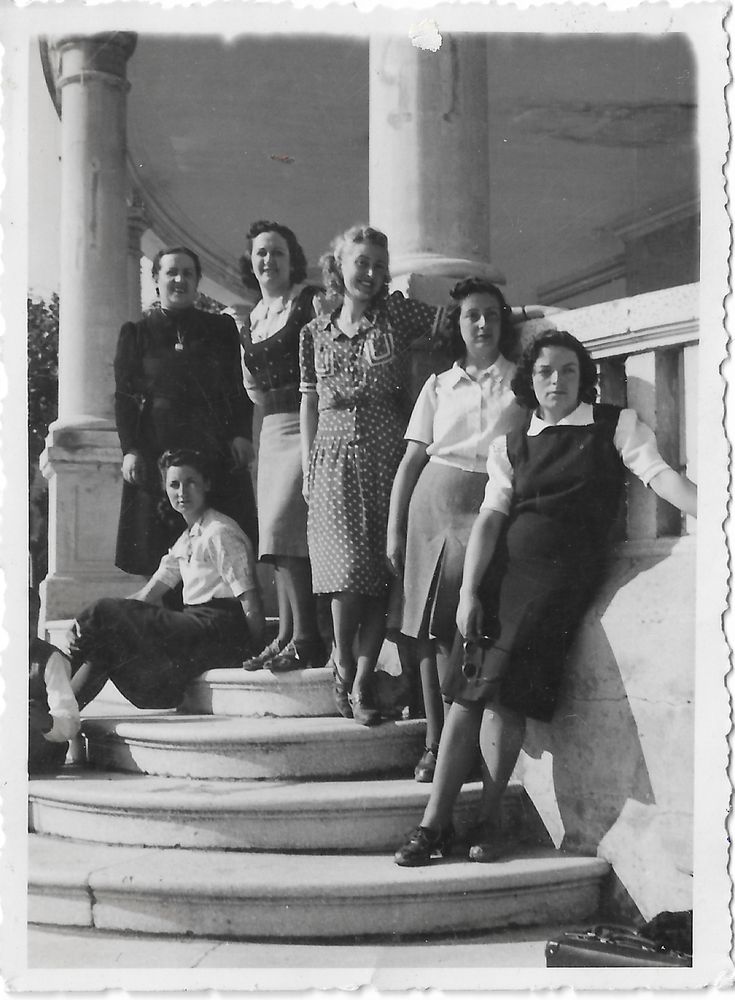
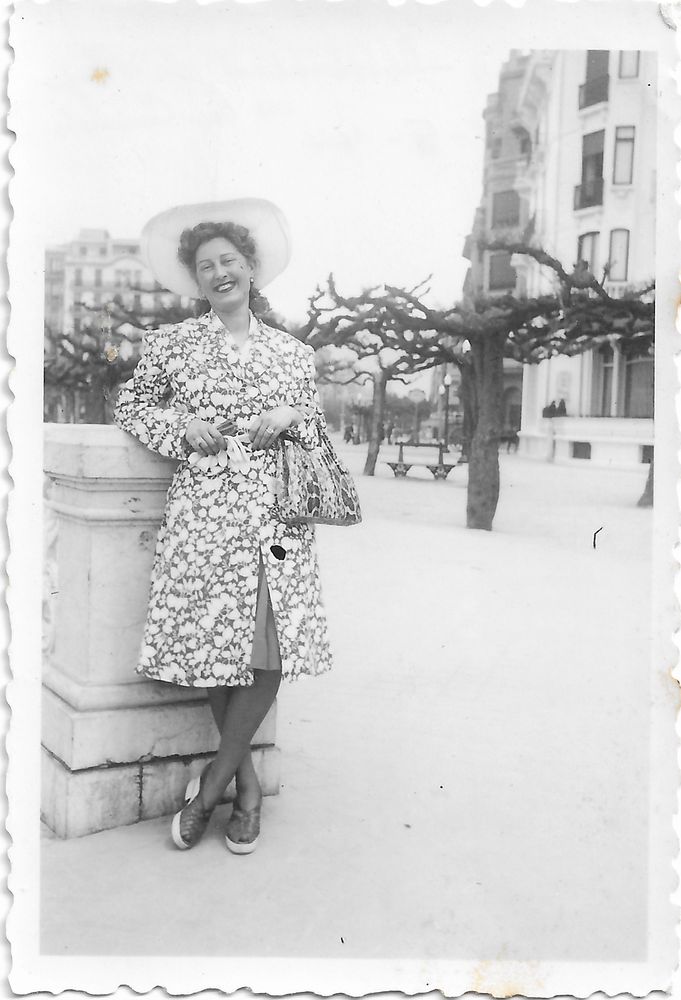
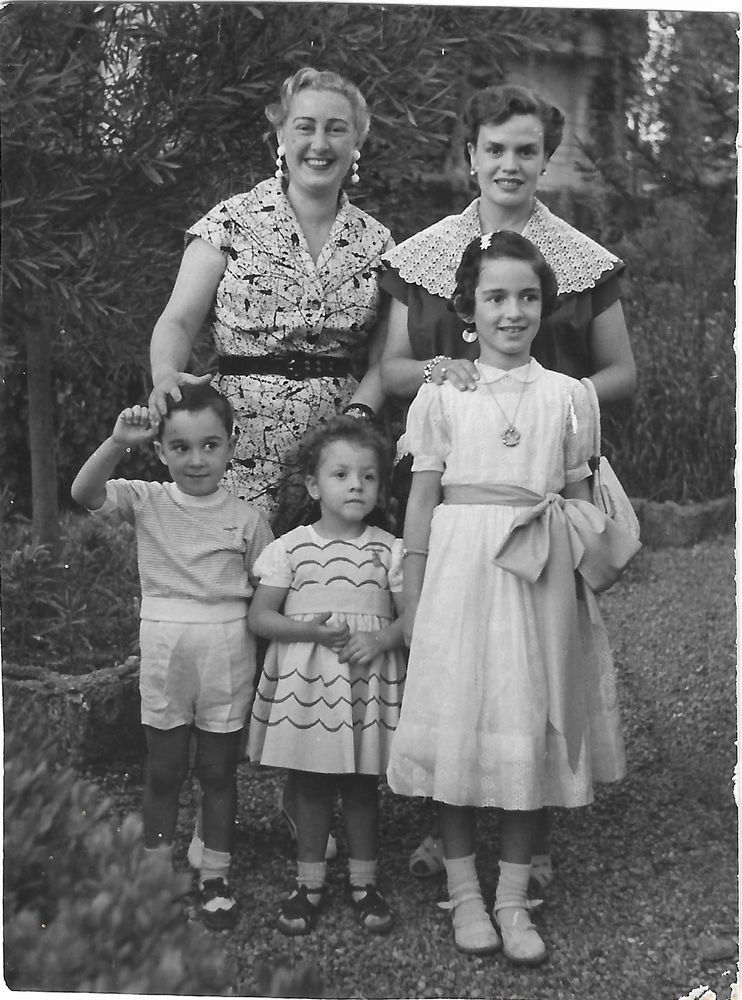
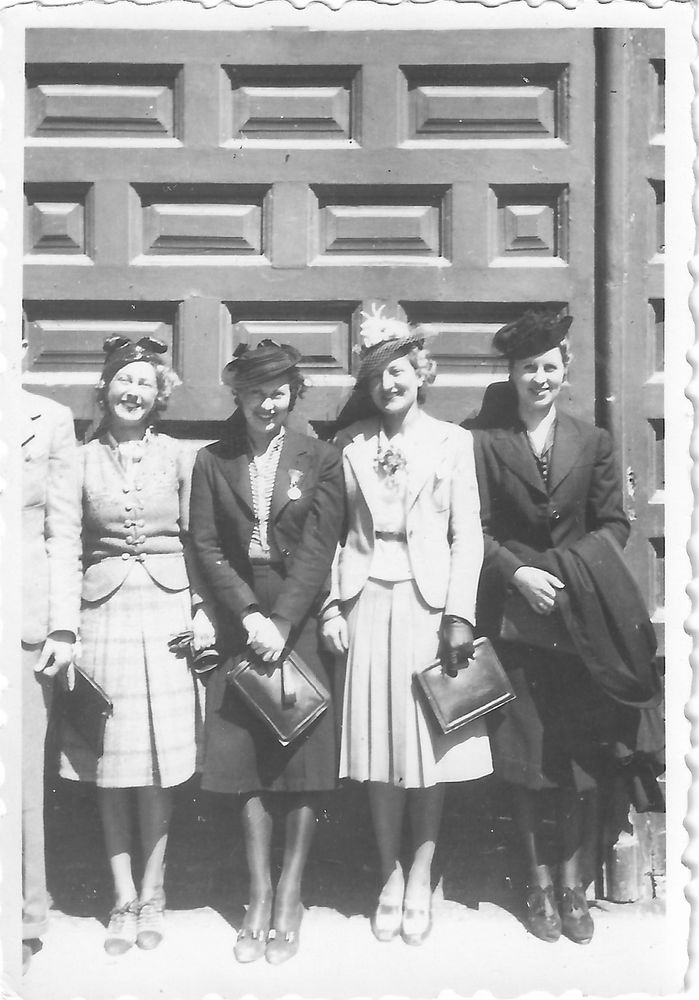
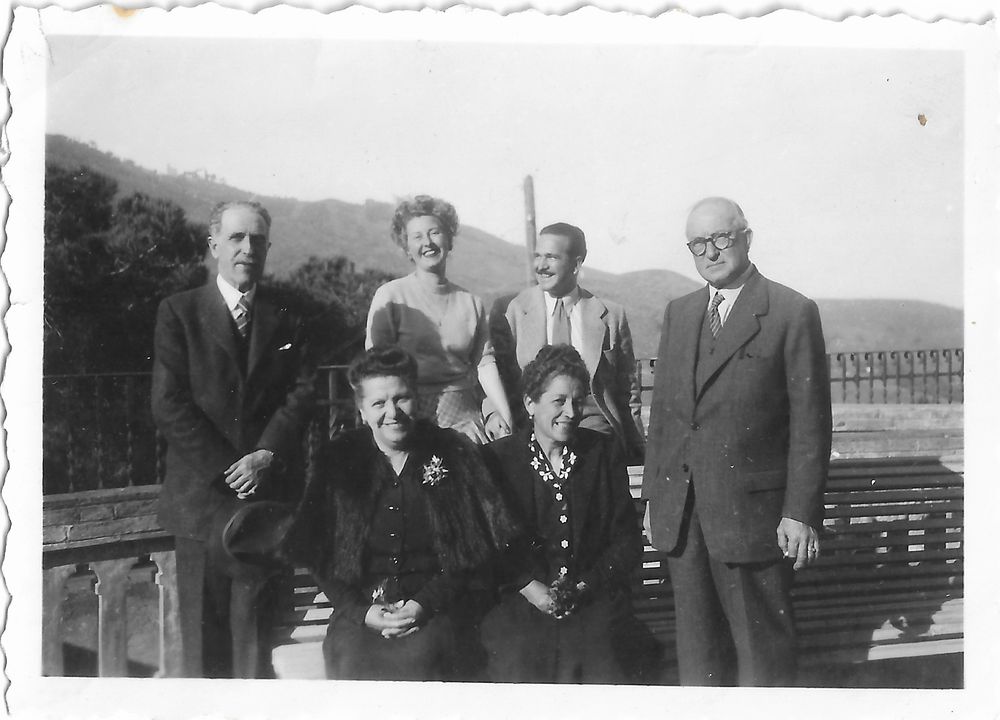
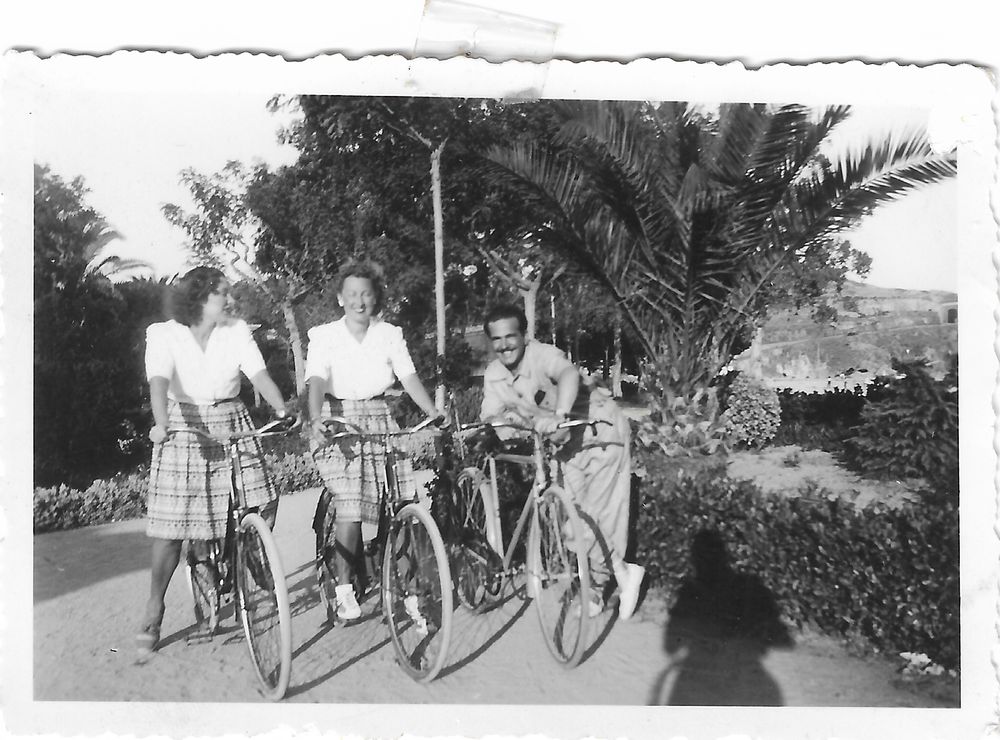
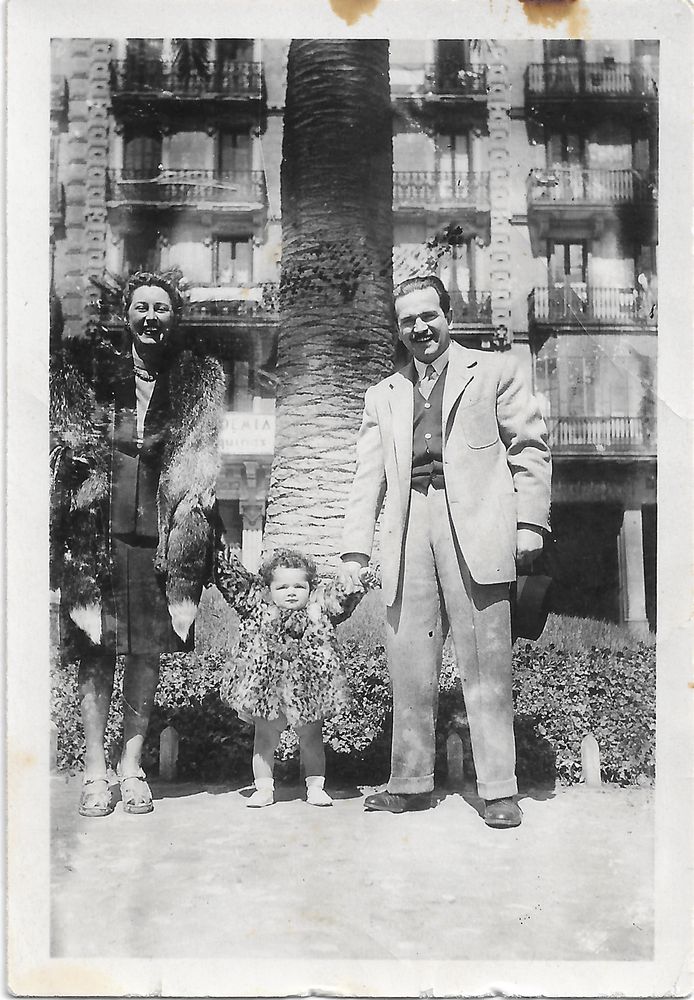
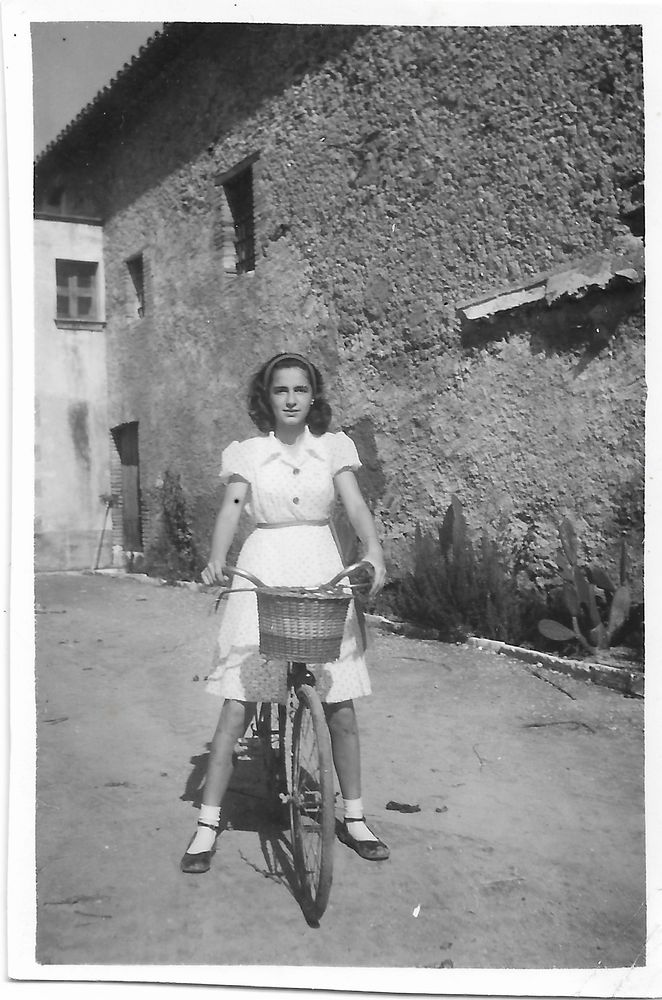
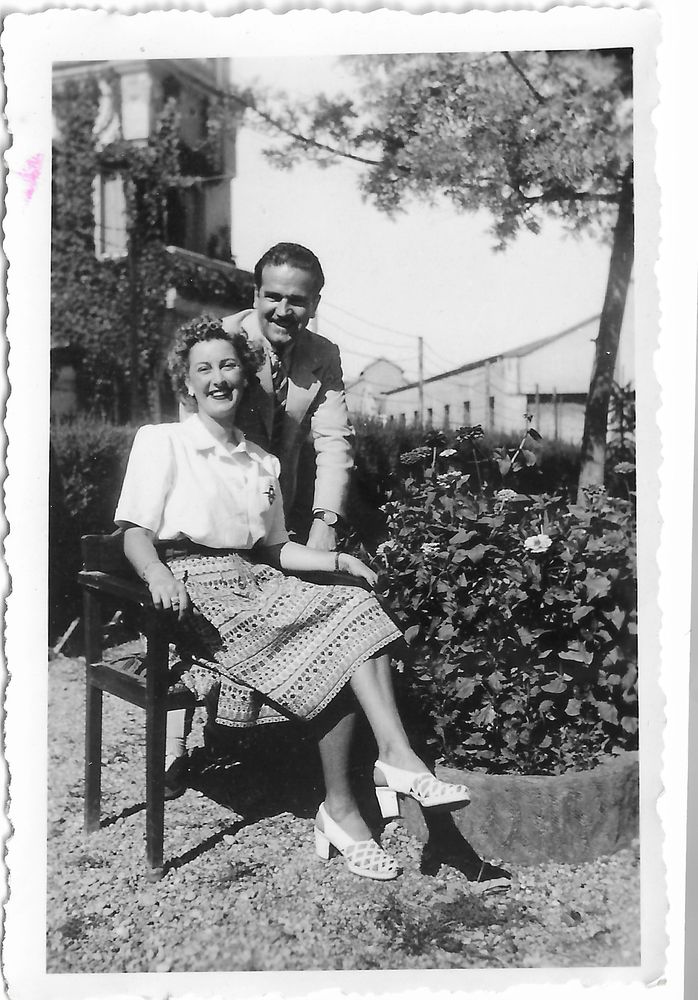
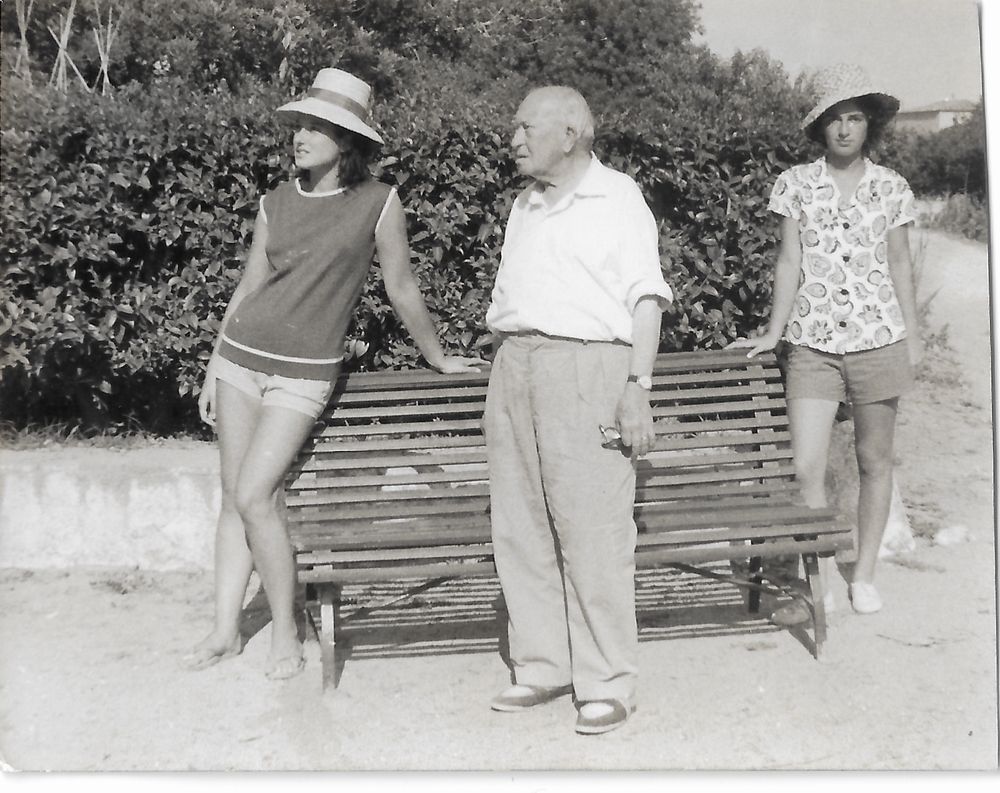
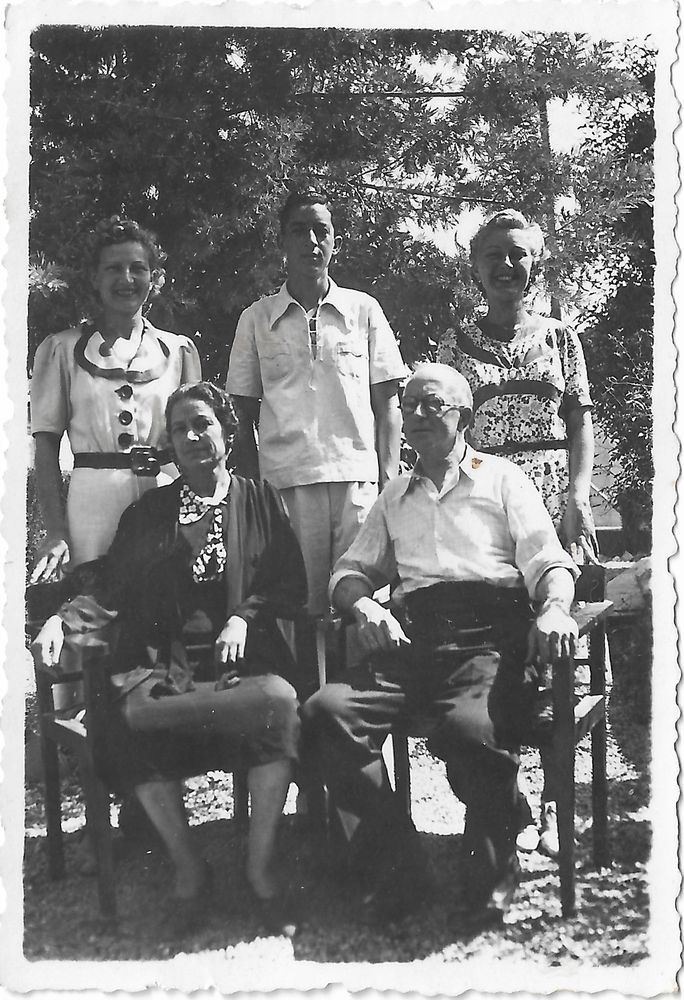
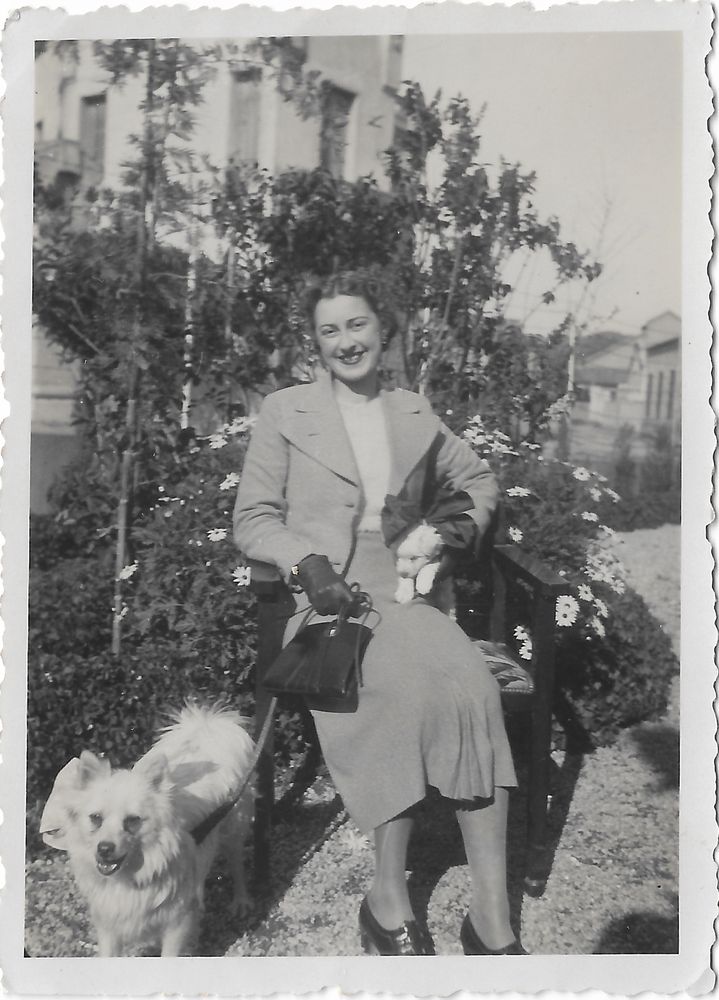
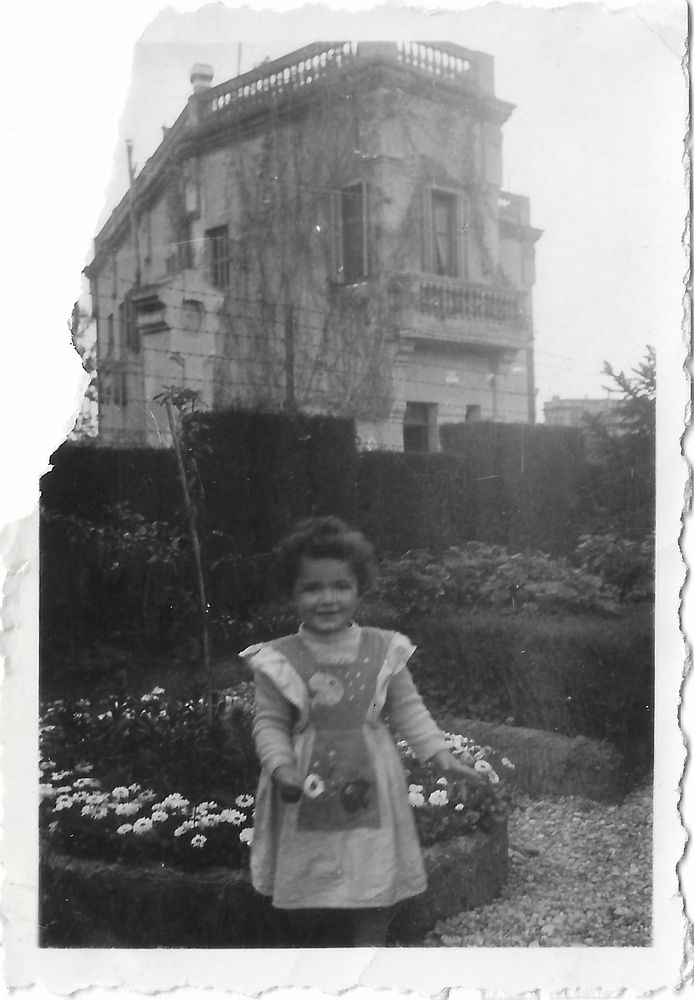
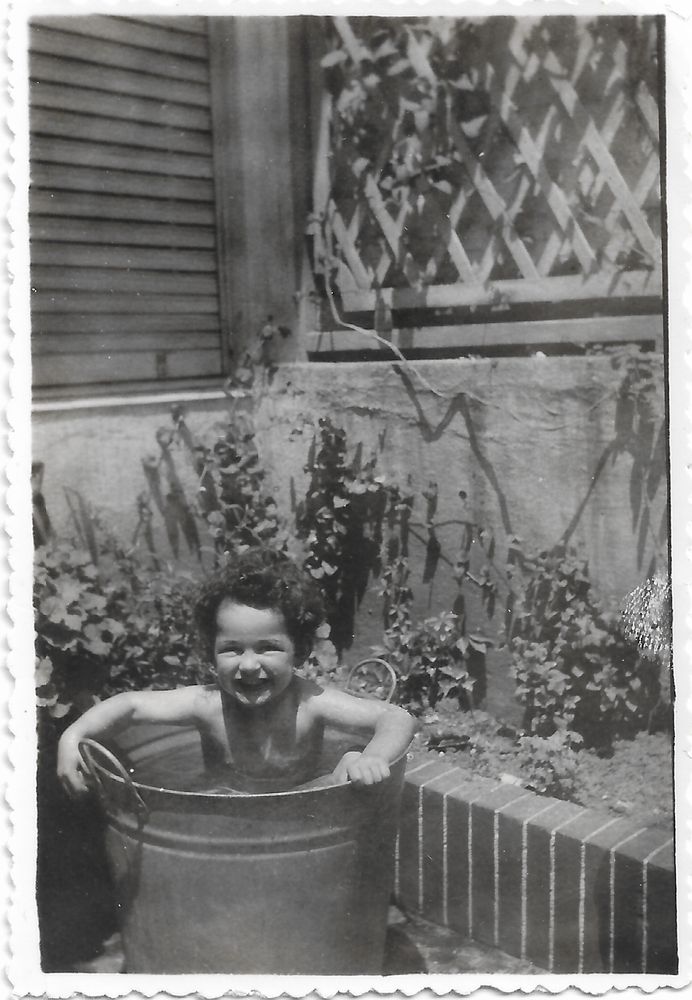
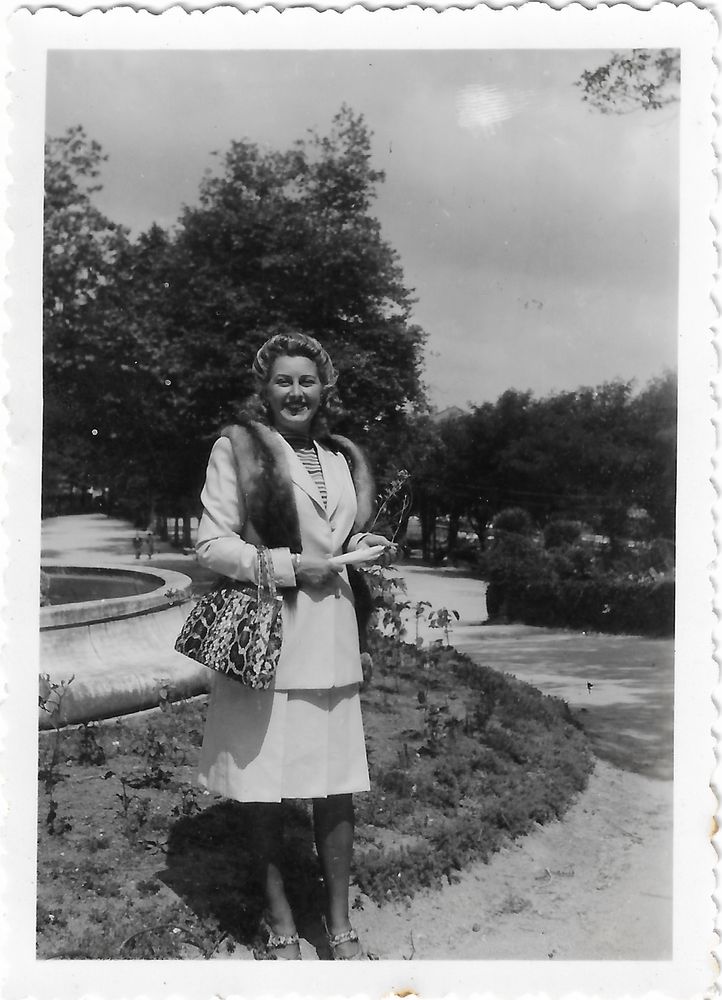
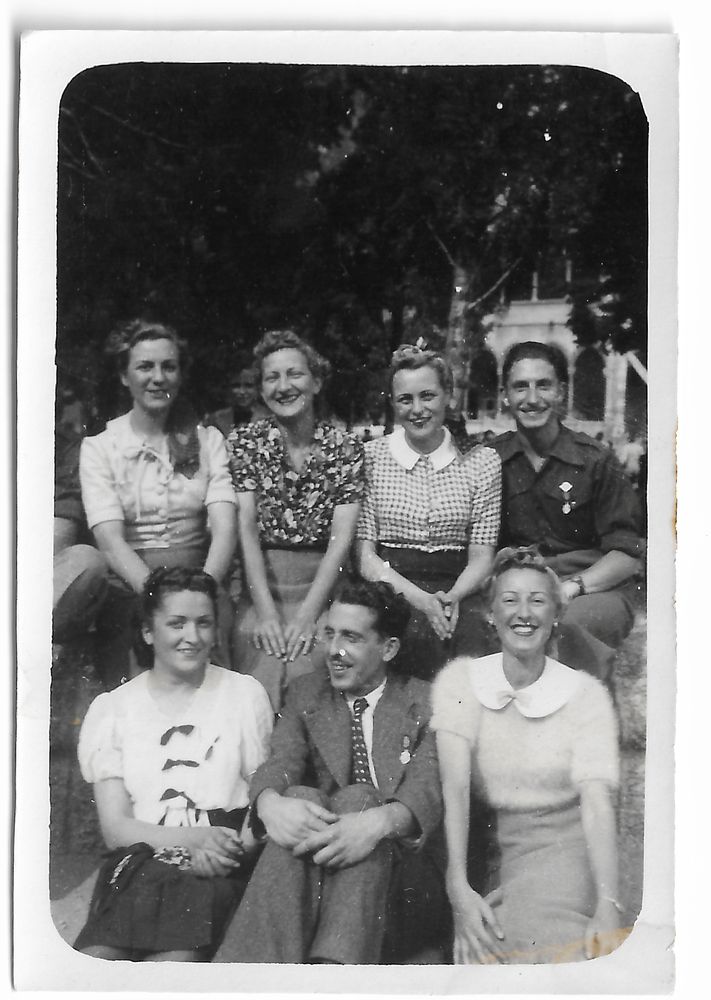
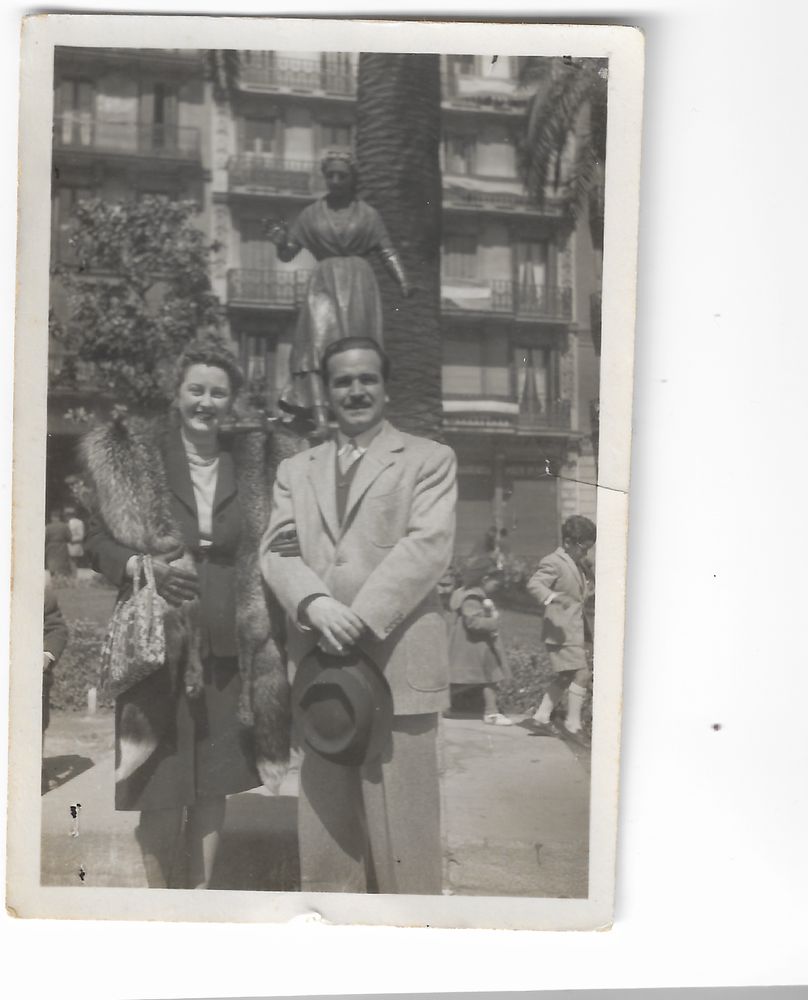
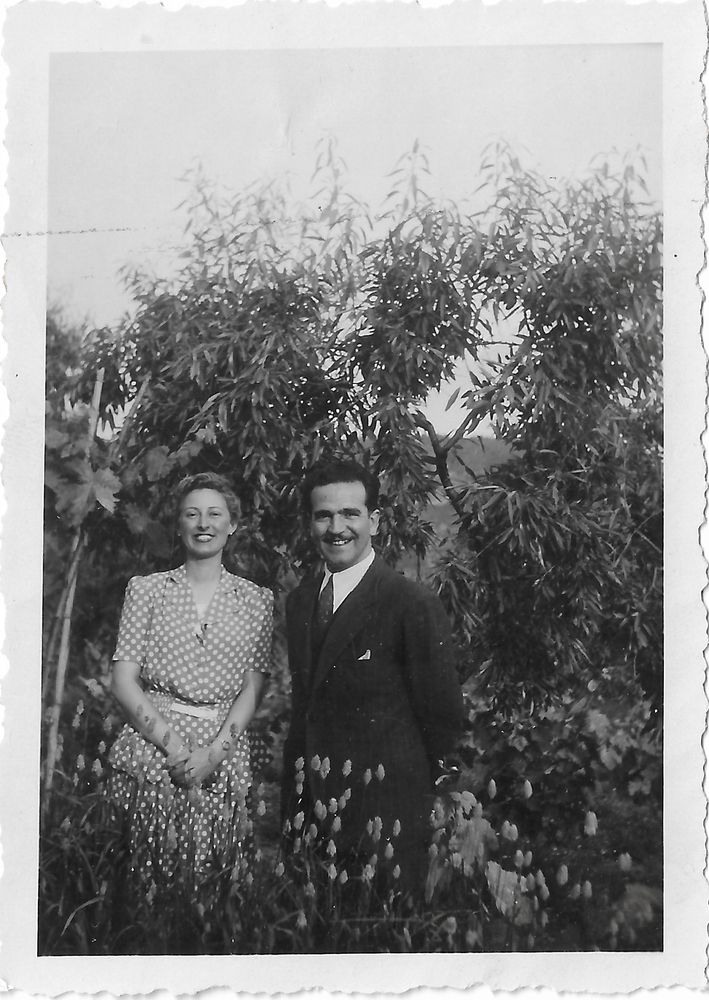
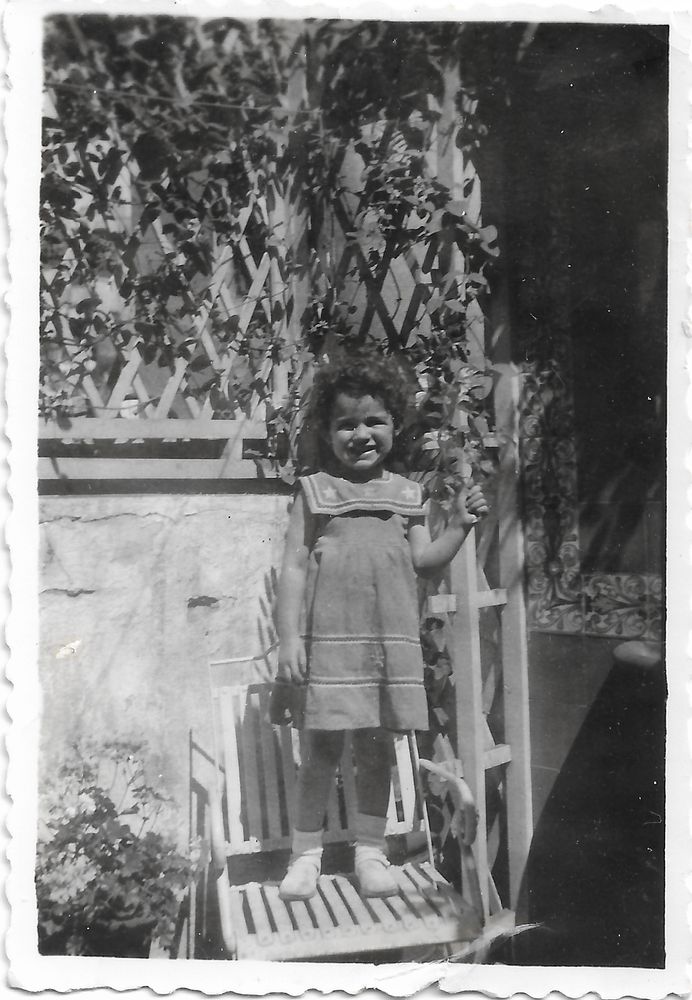
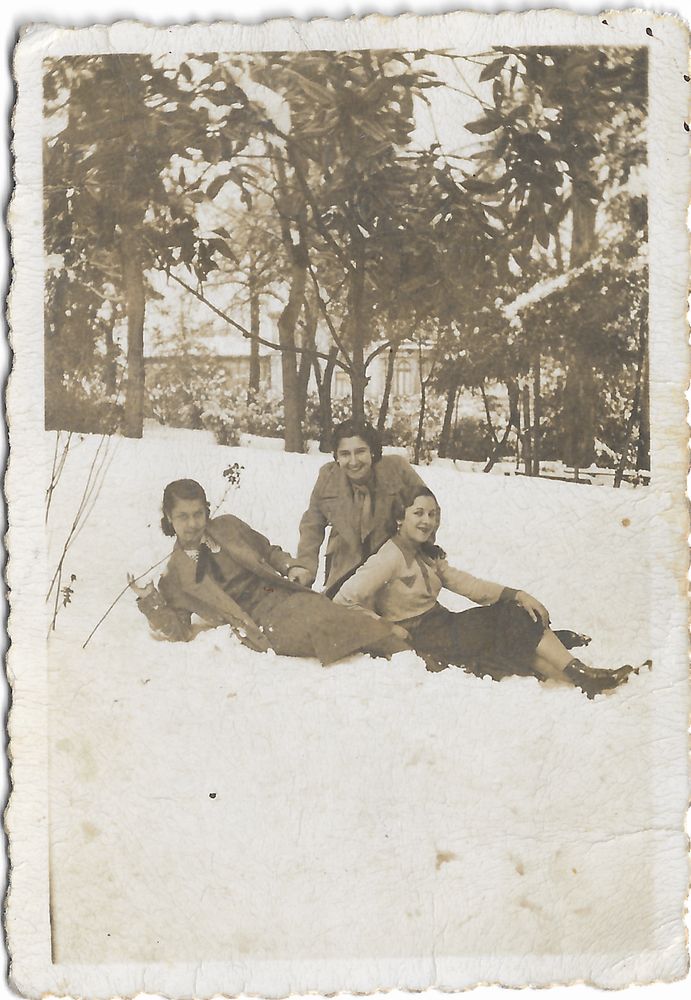
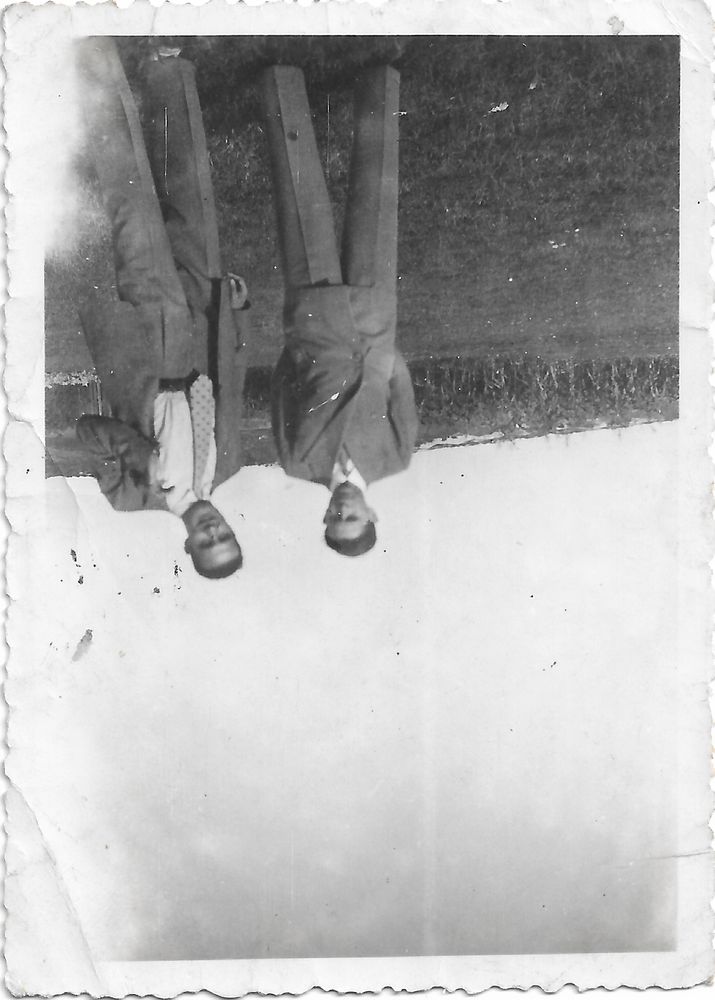
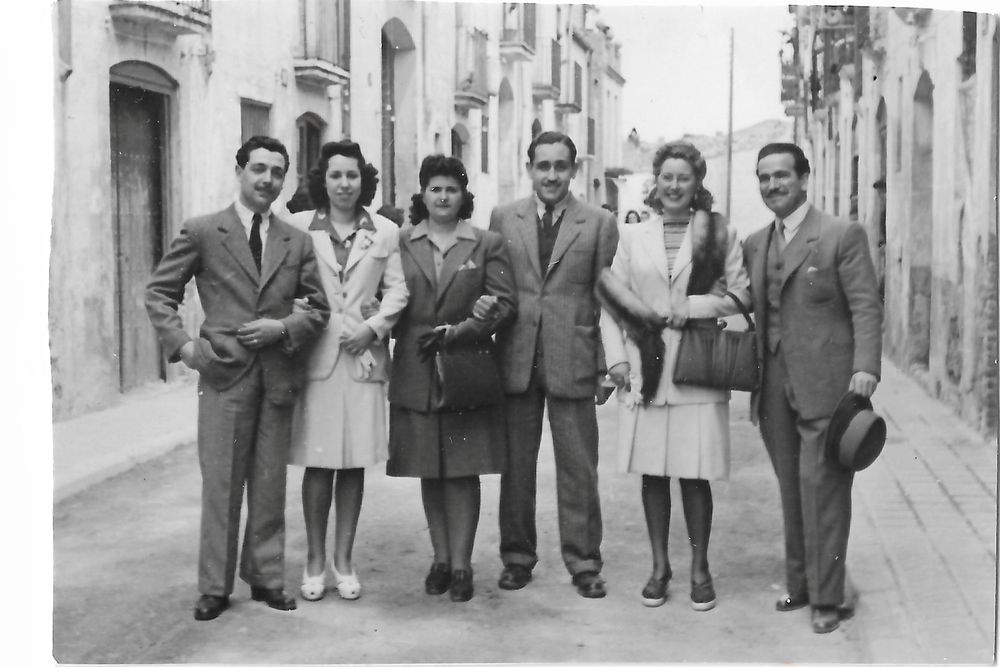
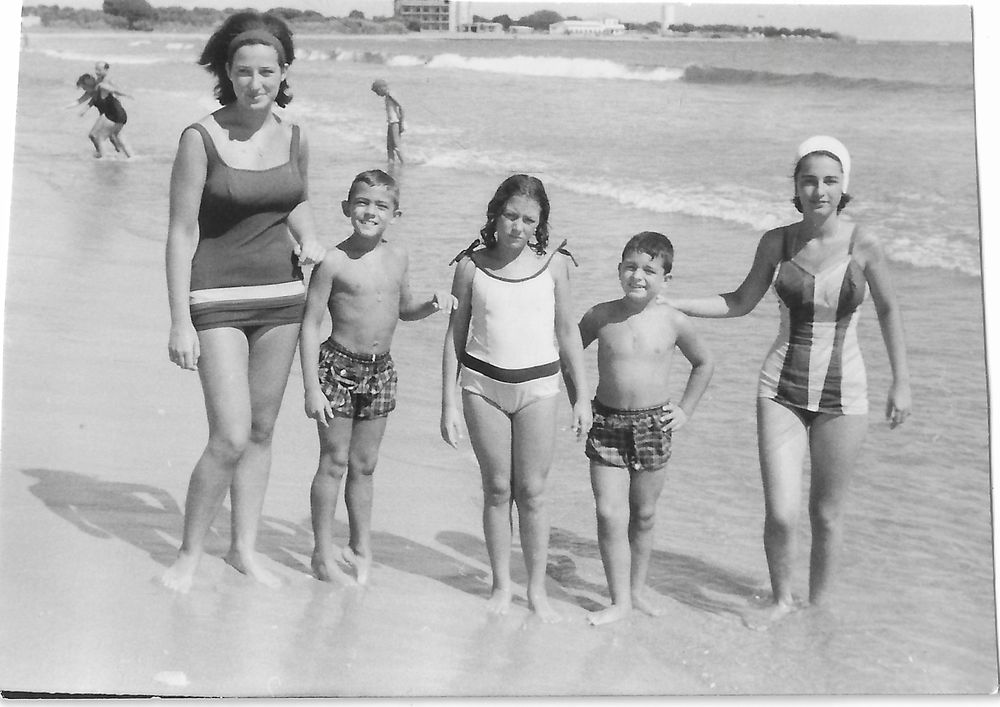
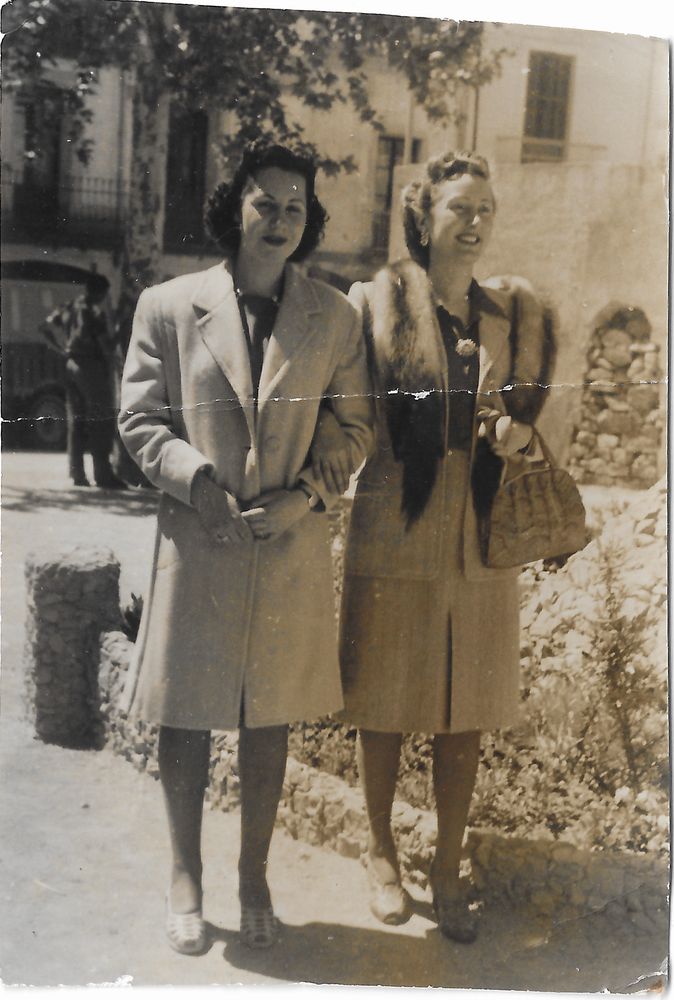
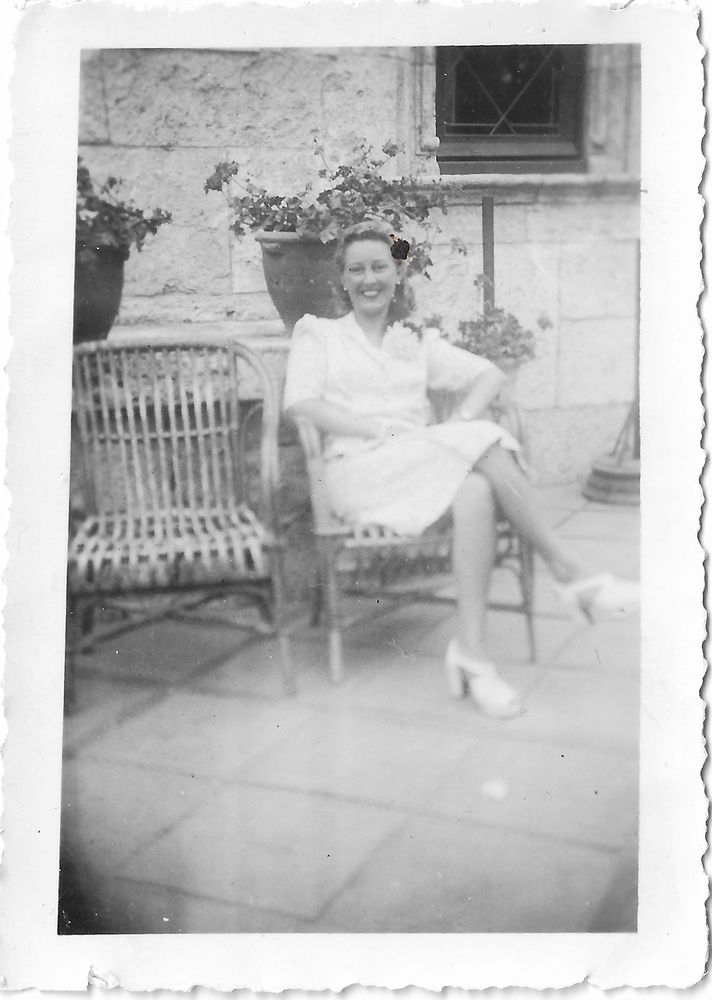
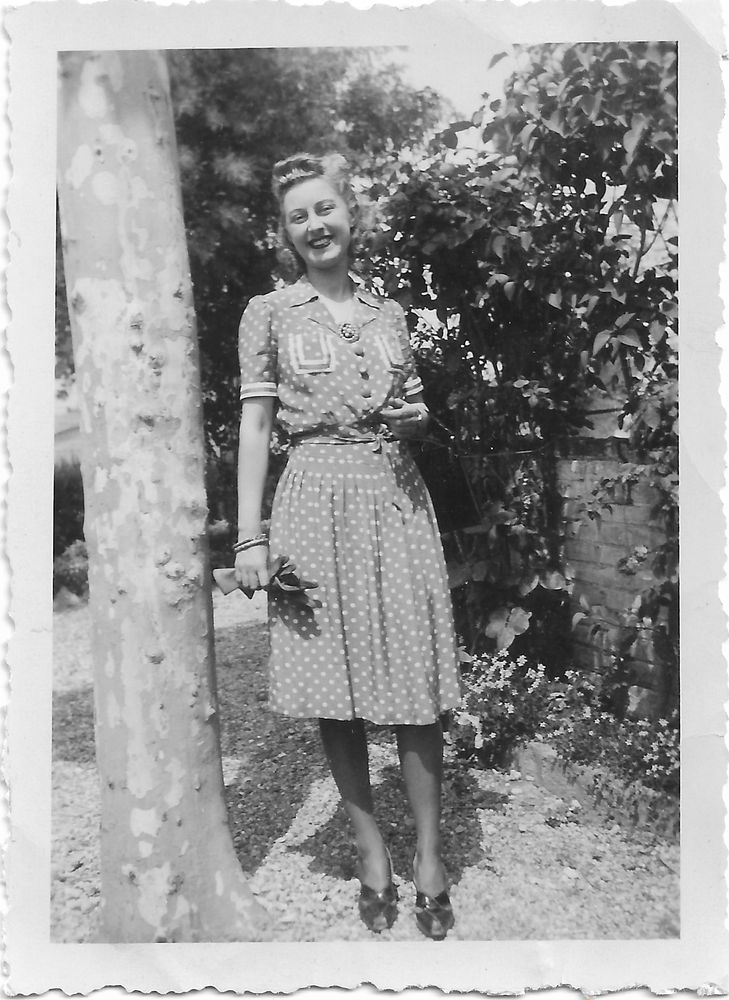
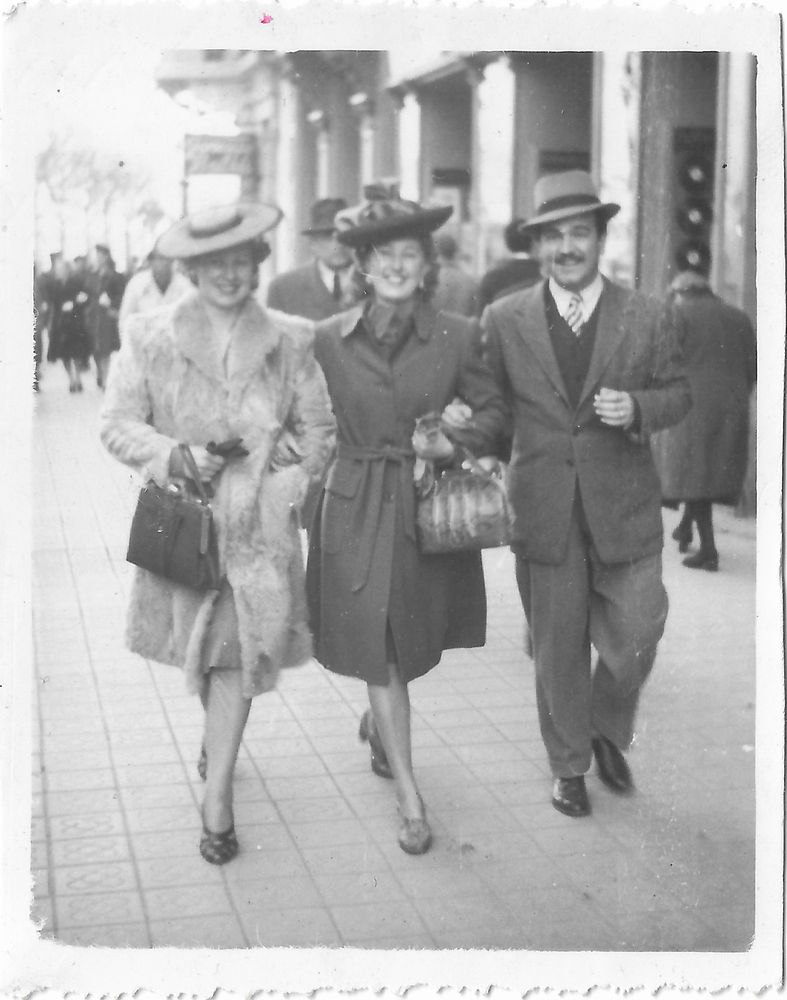
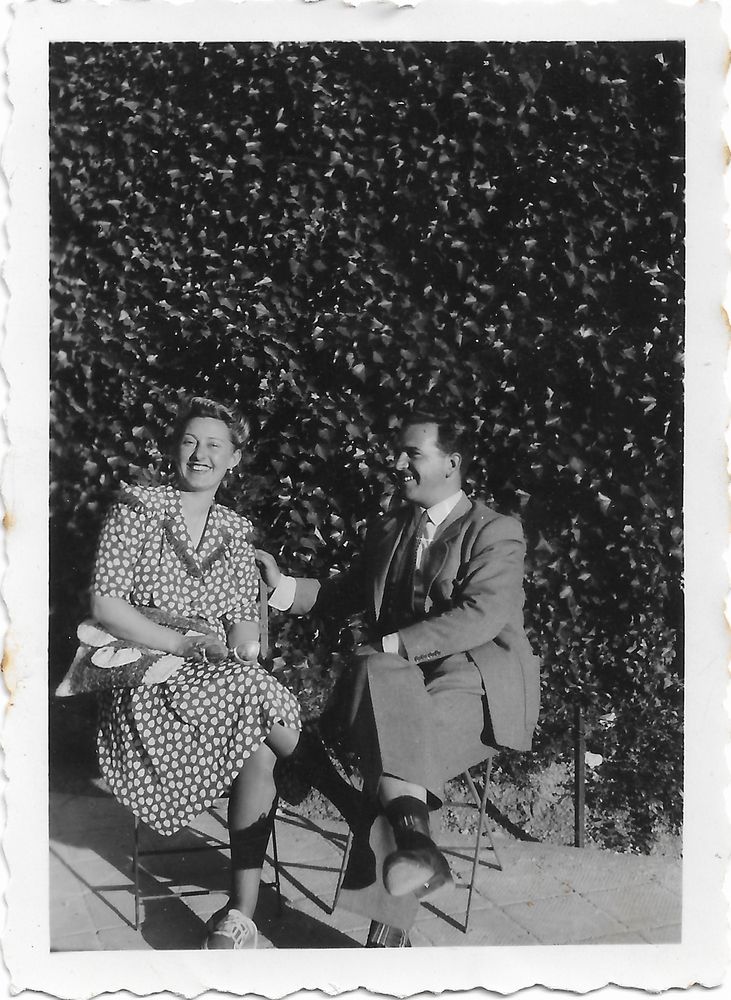
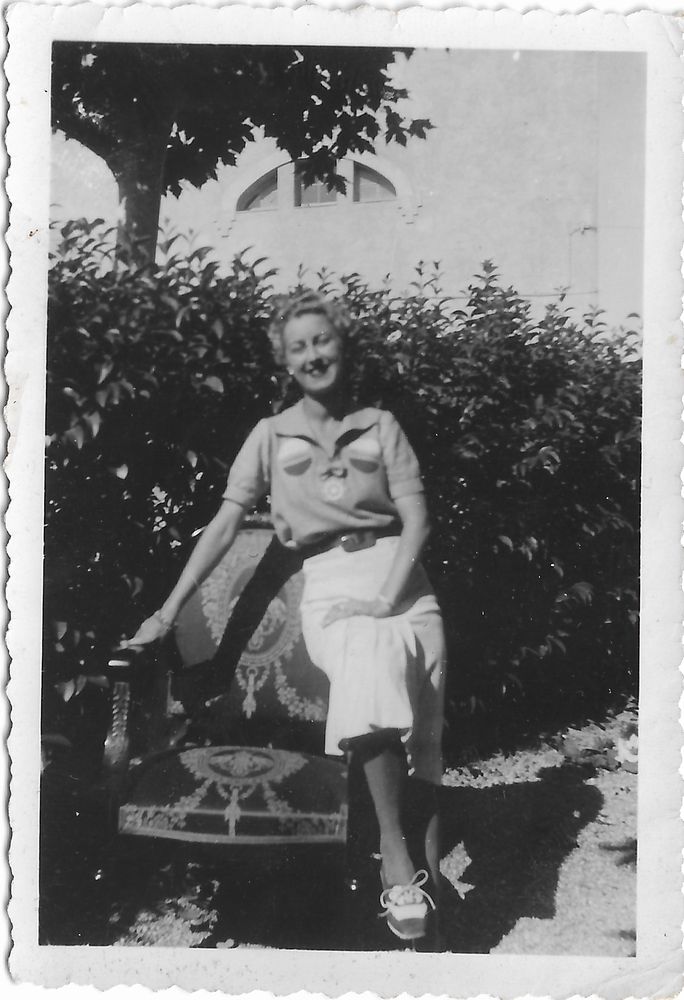
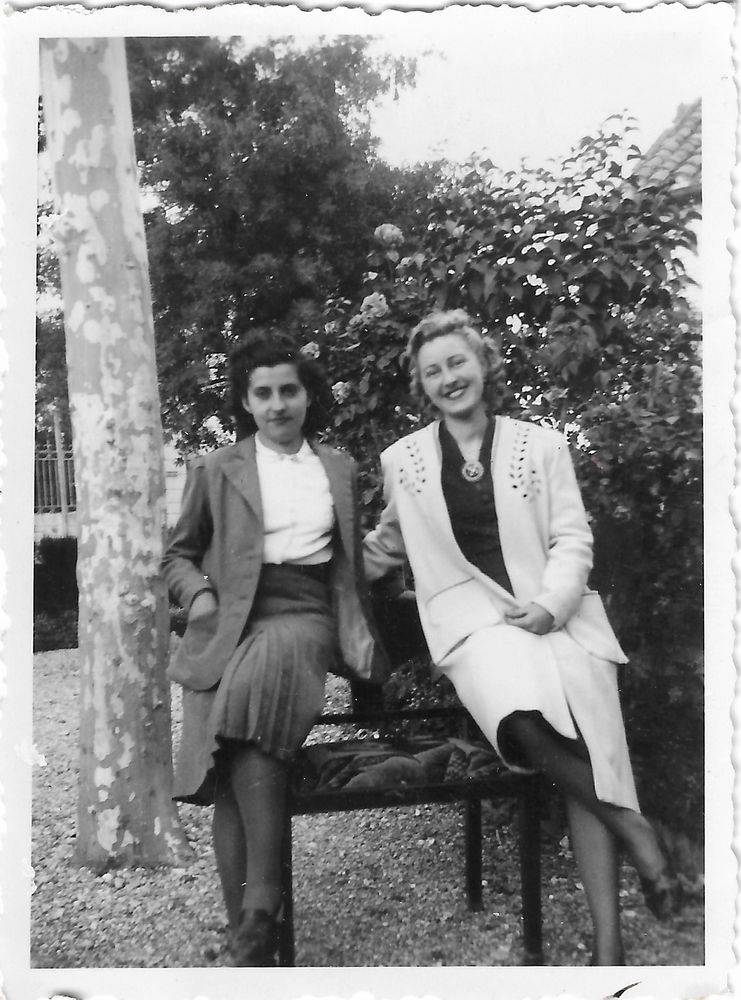
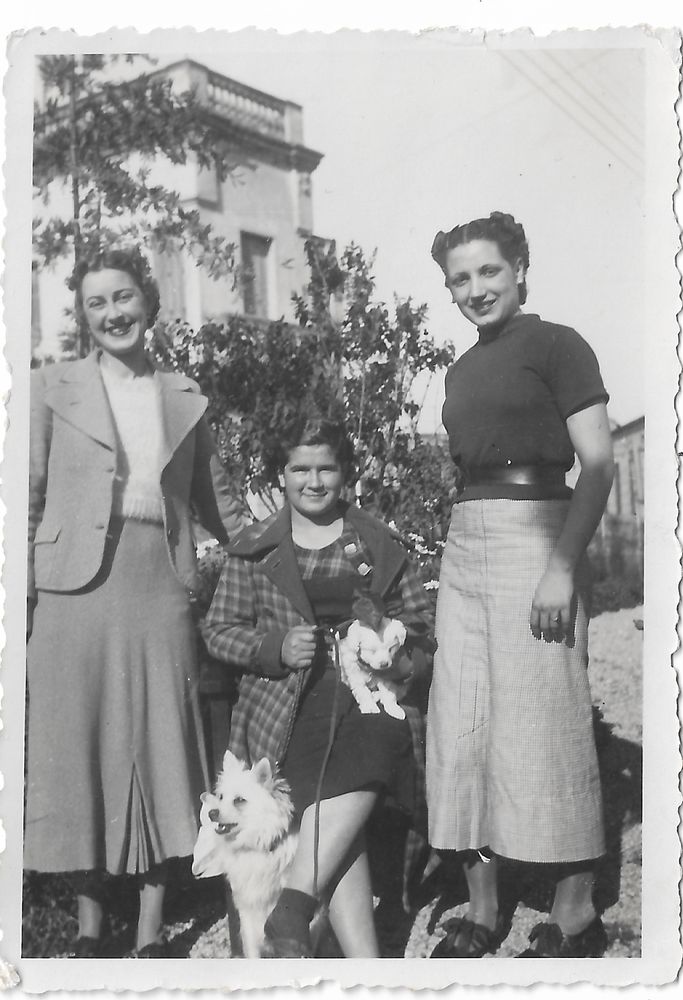
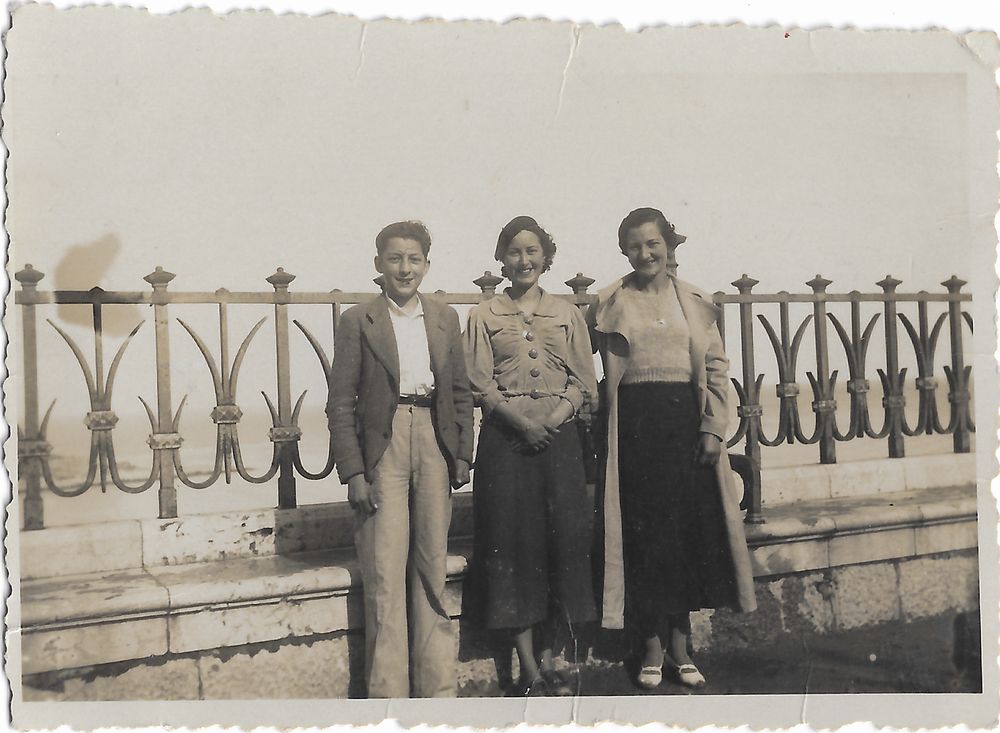
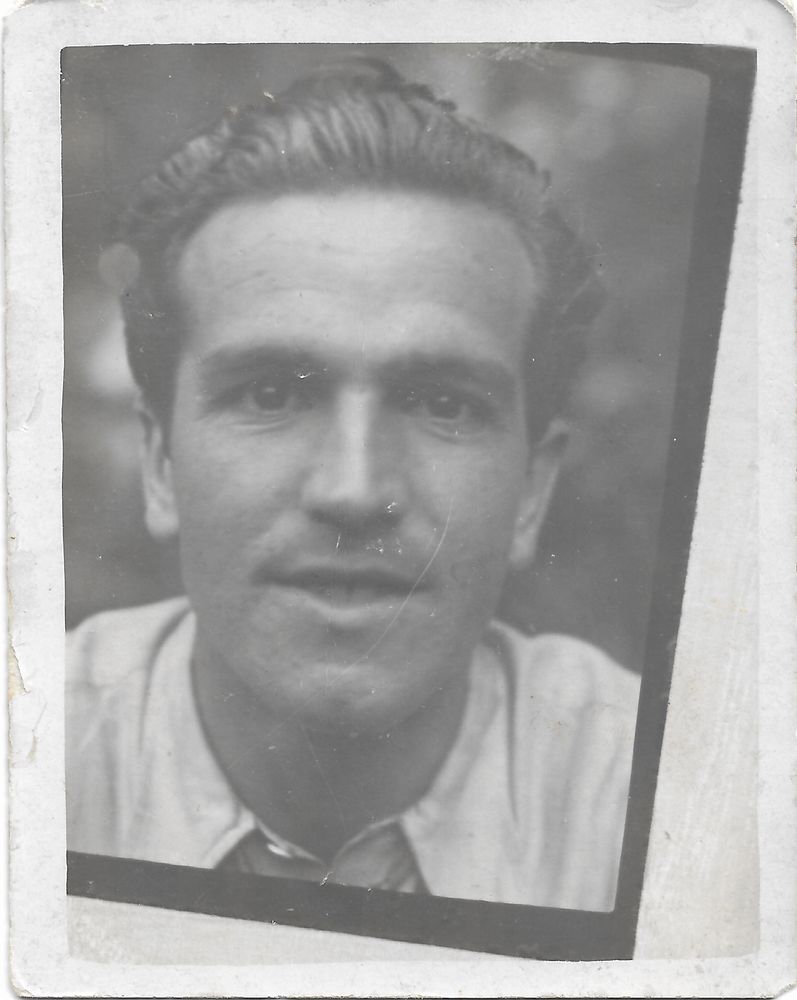
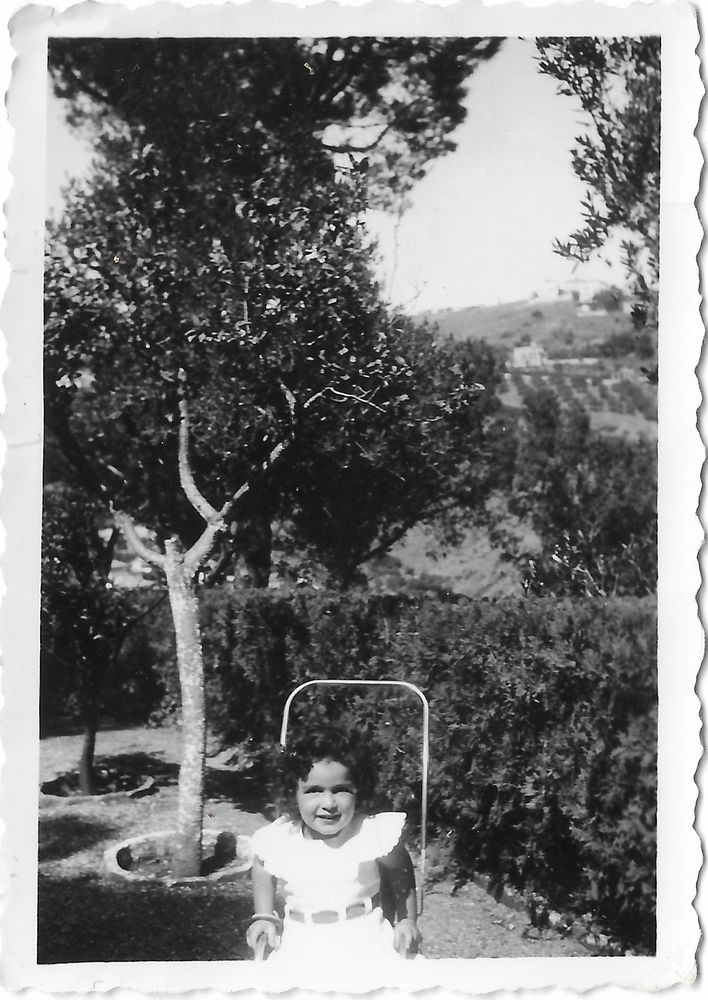
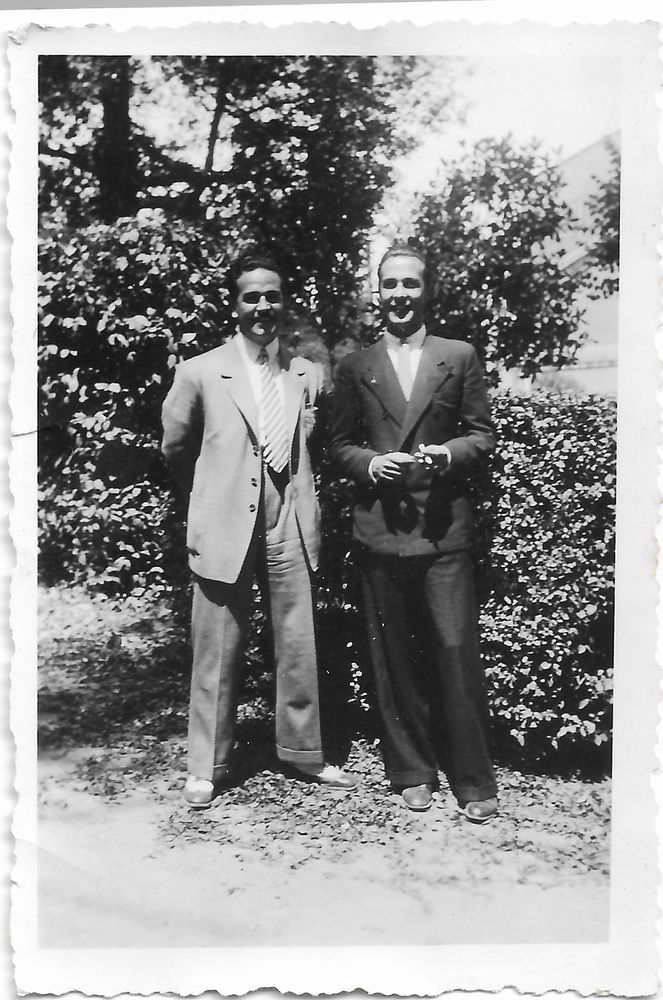
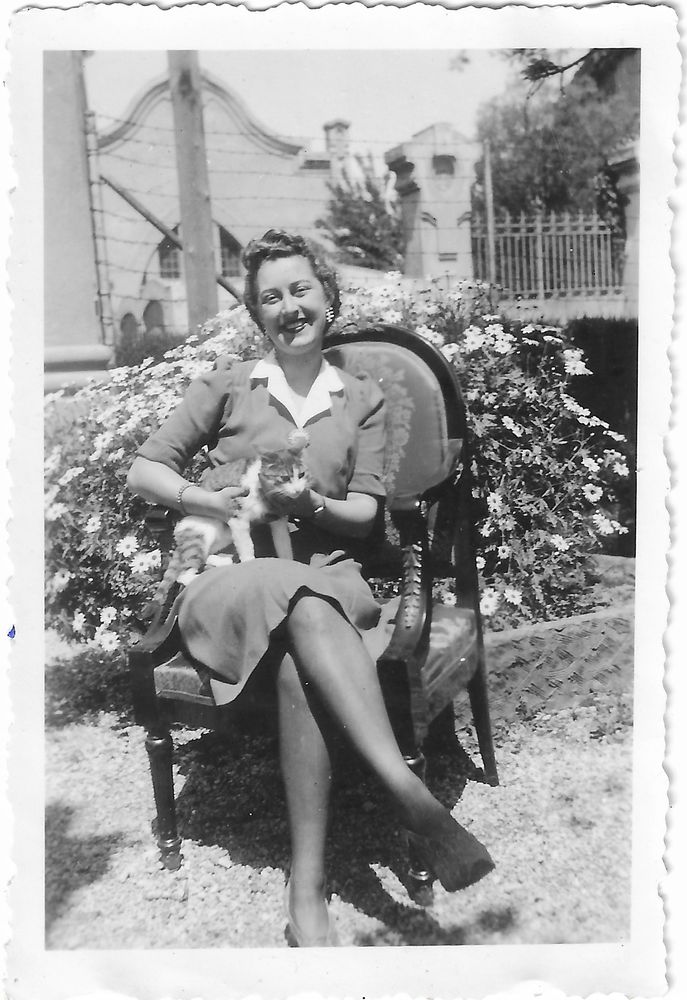
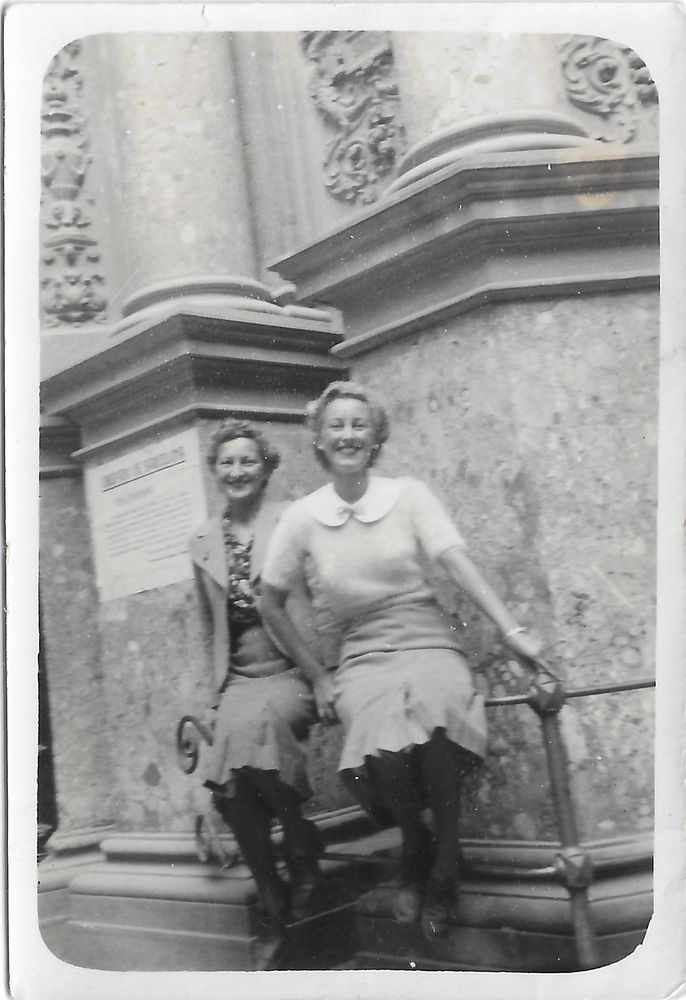
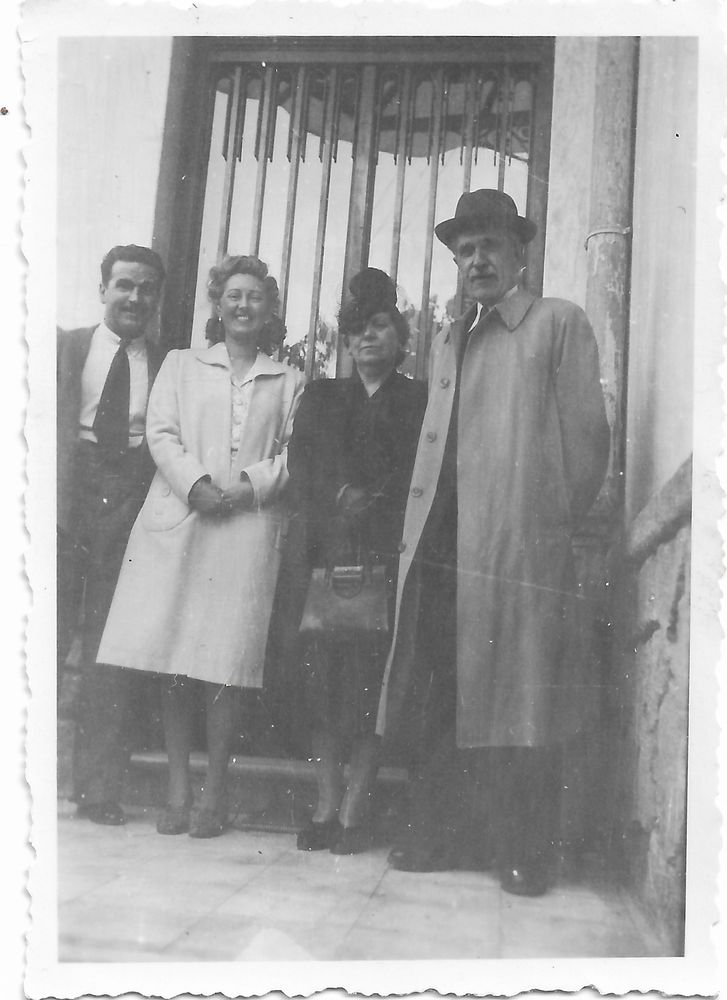
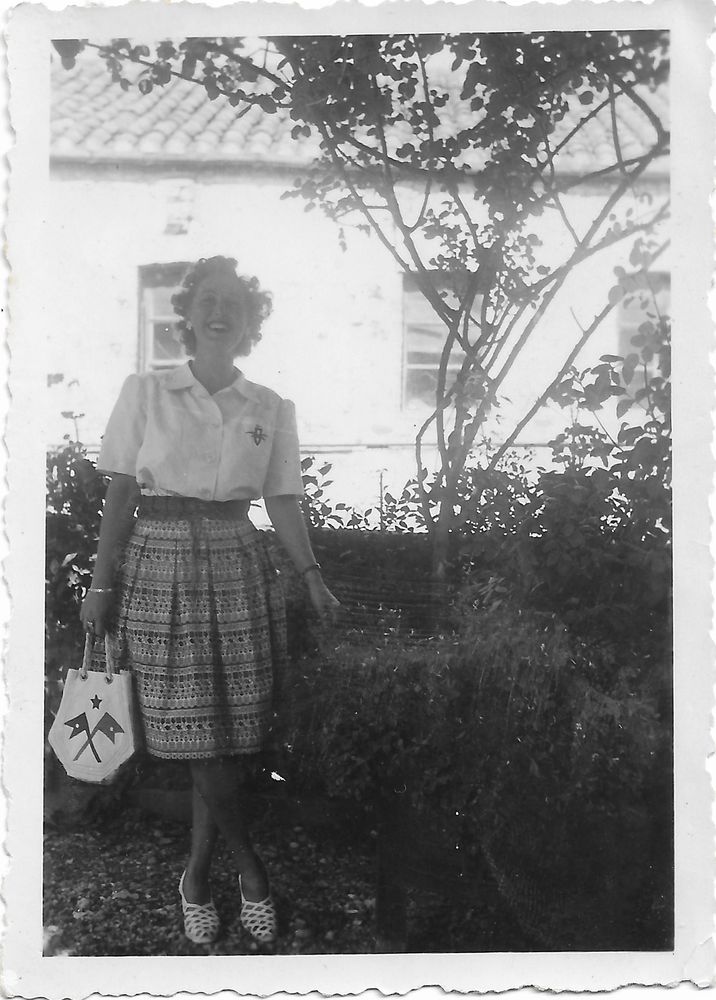
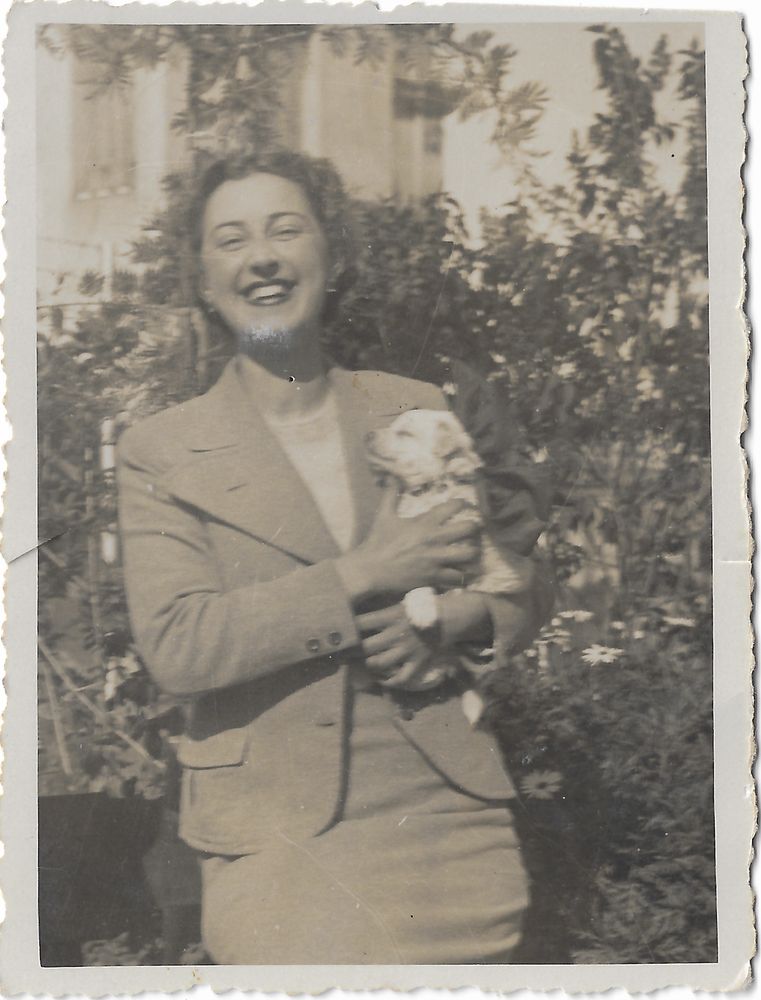
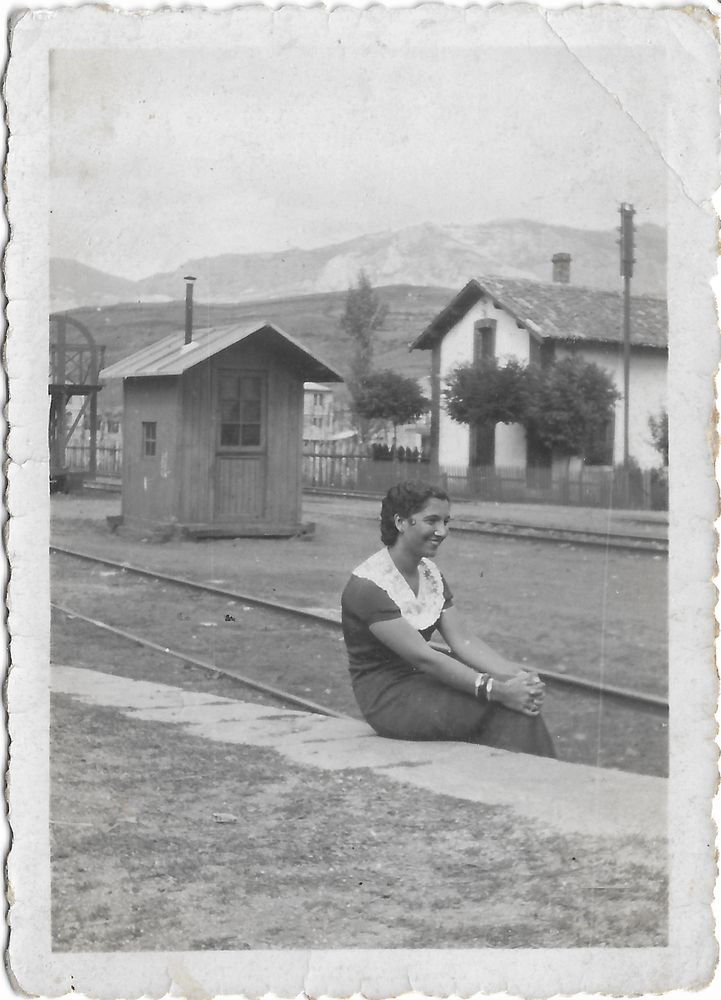
these are photo albums that inbal bought at the encants market in barcelona. the albums were of a catalan woman who lived during the years when black and white photography was used.
a few years ago inbal came and showed me these photos. i sat and went through them one by one and really imagined this woman's life and the streets, the smells, and i was immersed in the world of that time.
i knew we would do something with it one day.
scanning
one saturday i had some time. i ran an agent and told it to scan with me all of the photos on both sides.
i could see that some photos had the same border, or the same paper, or the same backside, or the same proportions in general — but they weren't in an album any more. they were stacked like cards. so we had to accept the randomness as we fed them into the scanner, and handle the chaos later.
we scanned about twenty sheets. it took me some time before i gained momentum.
it suggested a black background, but then i understood we'd lose the white balance, so i decided to scan higher and take the risk of it not knowing exactly where to crop later. eventually that was fine.
turn
eventually it was all there, and now came the step of cropping and naming correctly.
at that point i'm realising the project is not about getting all of the images correctly. it's about documentation. it's a documentary — and i'm actually deciding to pause and write all of the text you've read up until this point.
boom. now i'm creating the rules for this project, and there's a story shaping as i move forward. every observation, every interesting part of the process, and every finding should go in here. it should always suggest.
now
we're done with cropping. now we can either refine the images and balance them a bit, or start mapping and collecting the data. i decide to do both at the same time regardless.
at some point all of the images look fine. we respected them but balanced them, so we can look at them altogether.
now we have to process all of the images and really get the story behind them, and have it in words what is happening.
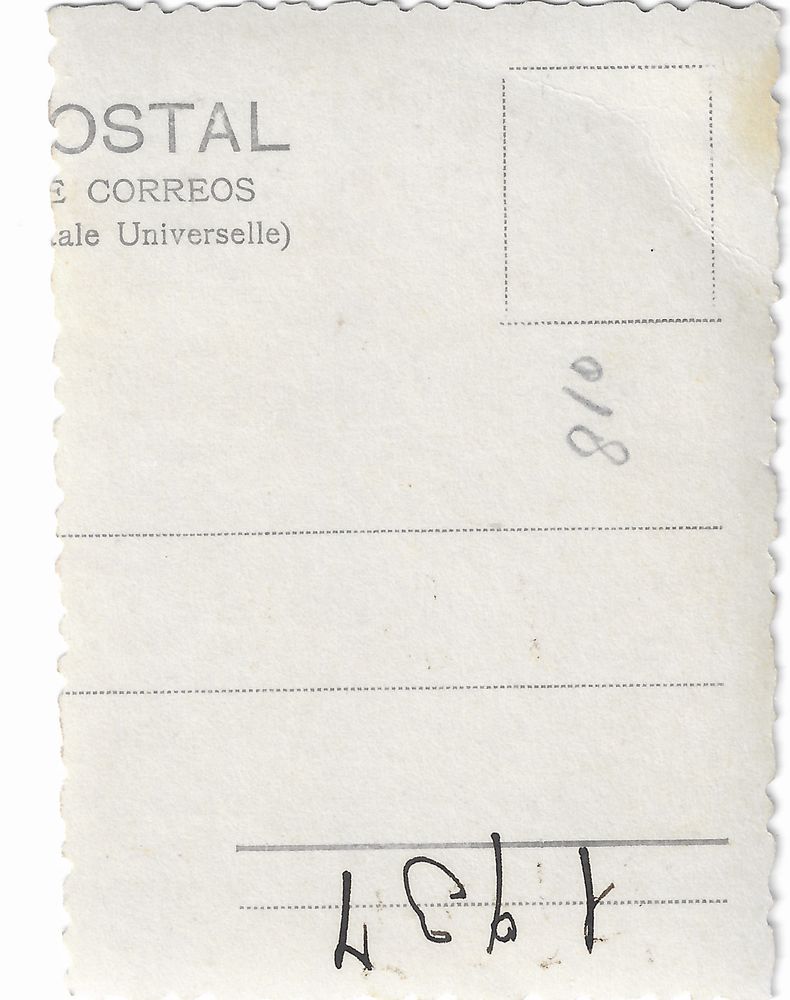
we don't know the name of the woman or anyone else in her life, so we treat everything as a variable. the database is people, date, the text on the flipside, and what the picture shows.
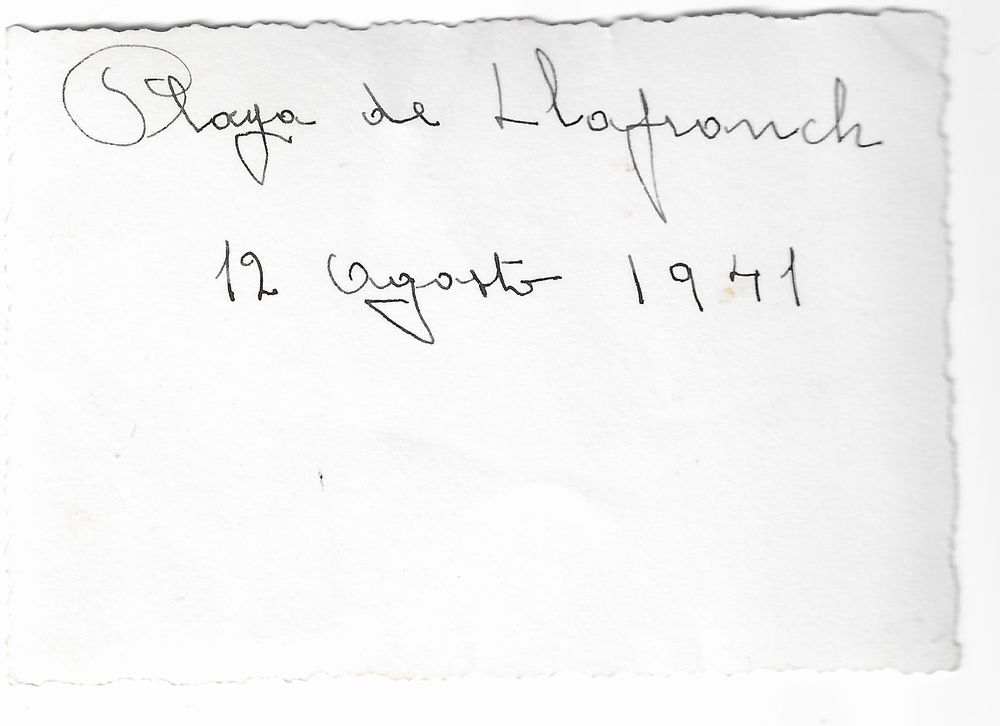
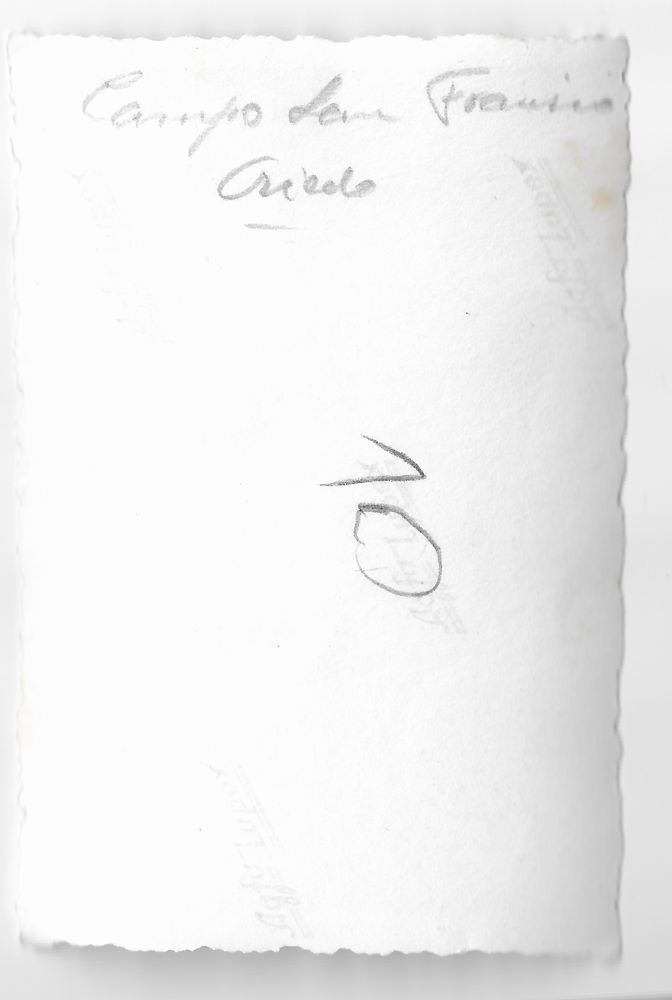
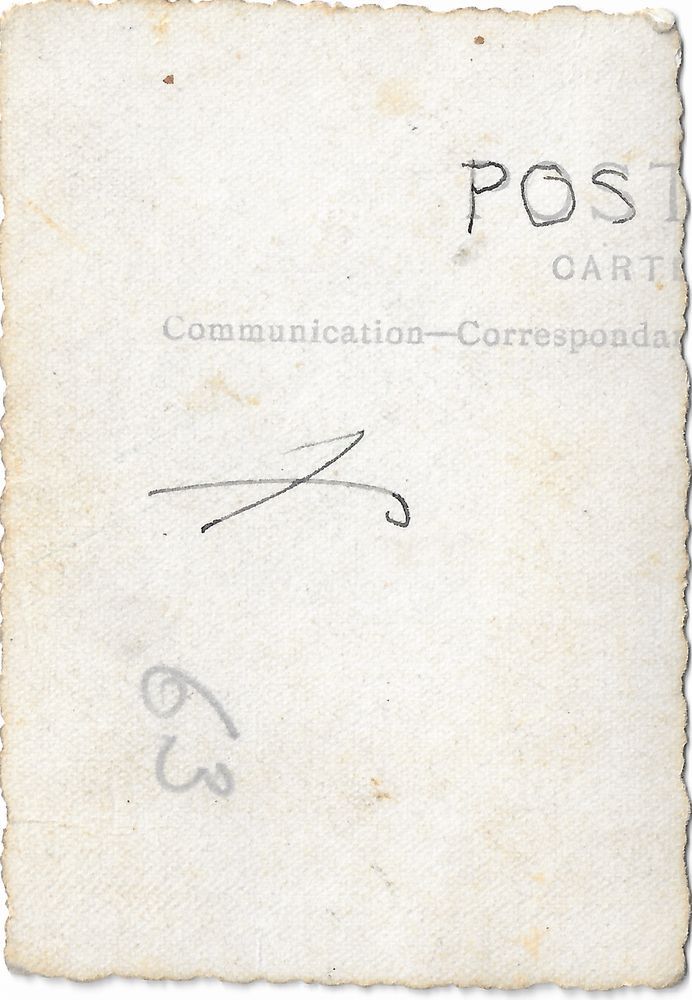
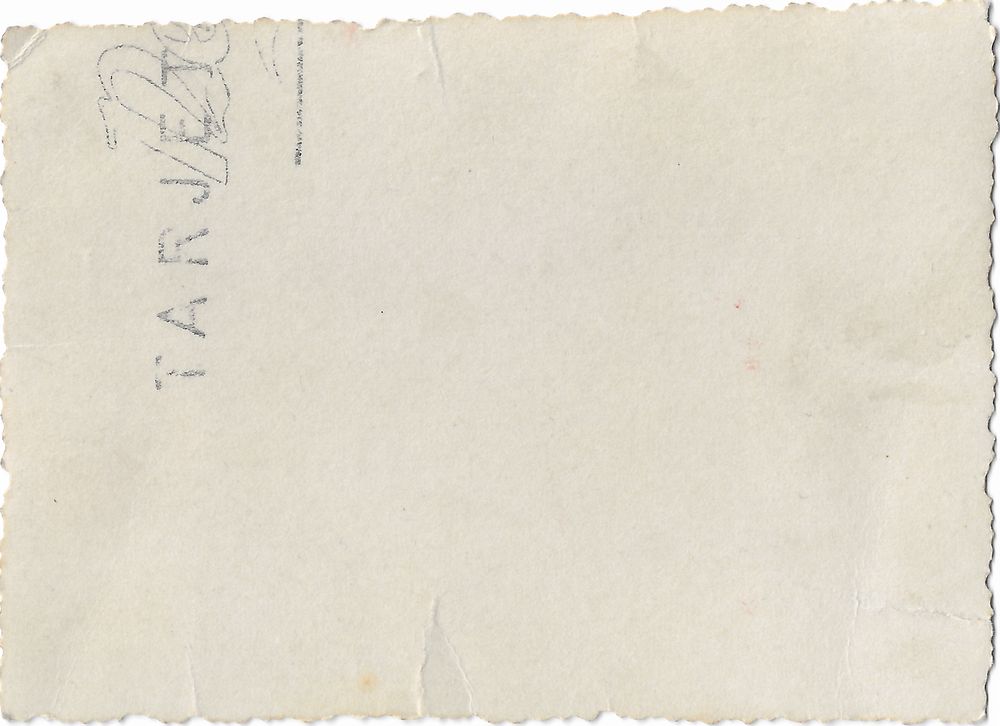
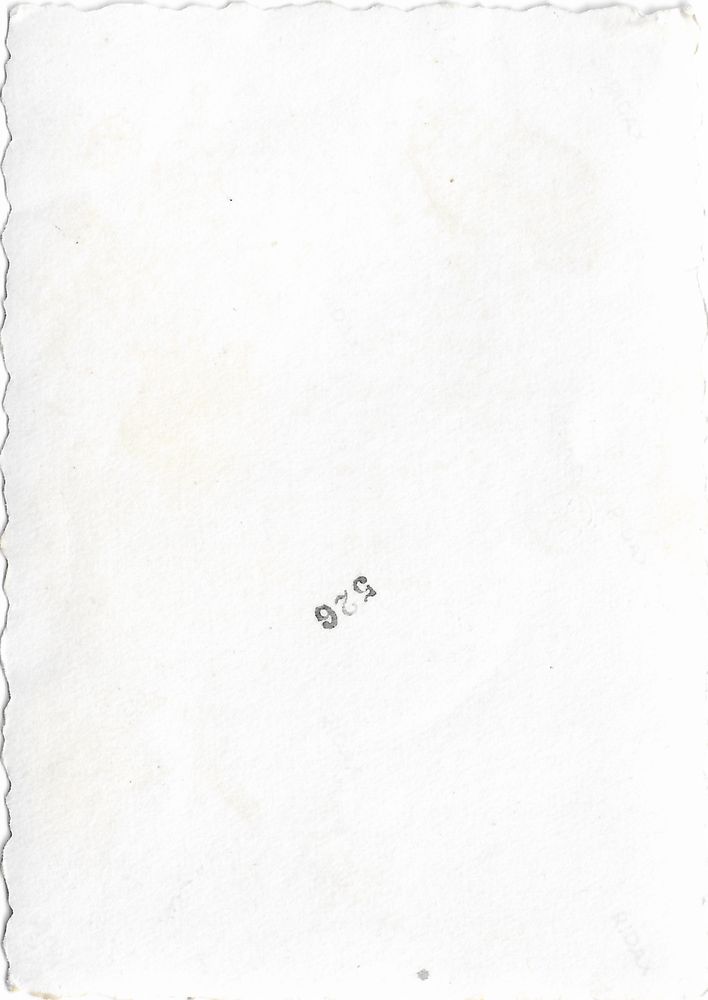
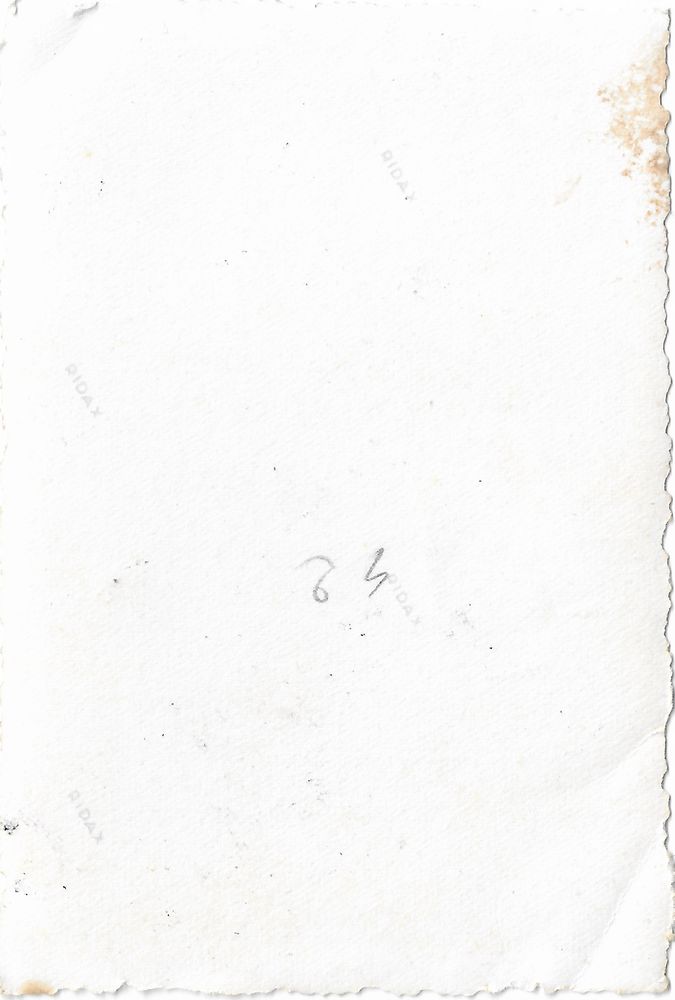
the backs
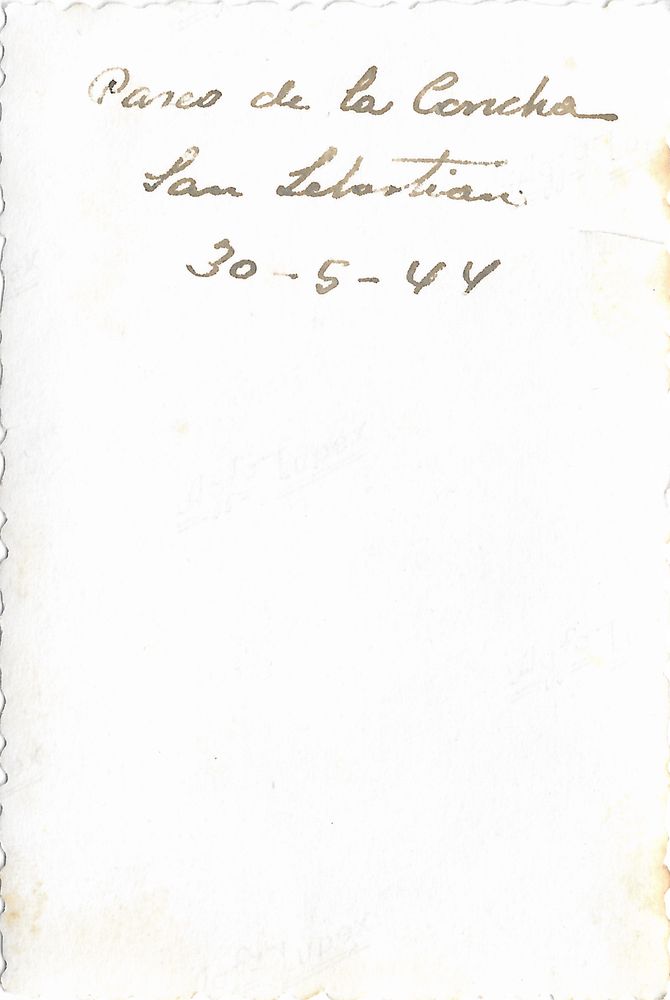
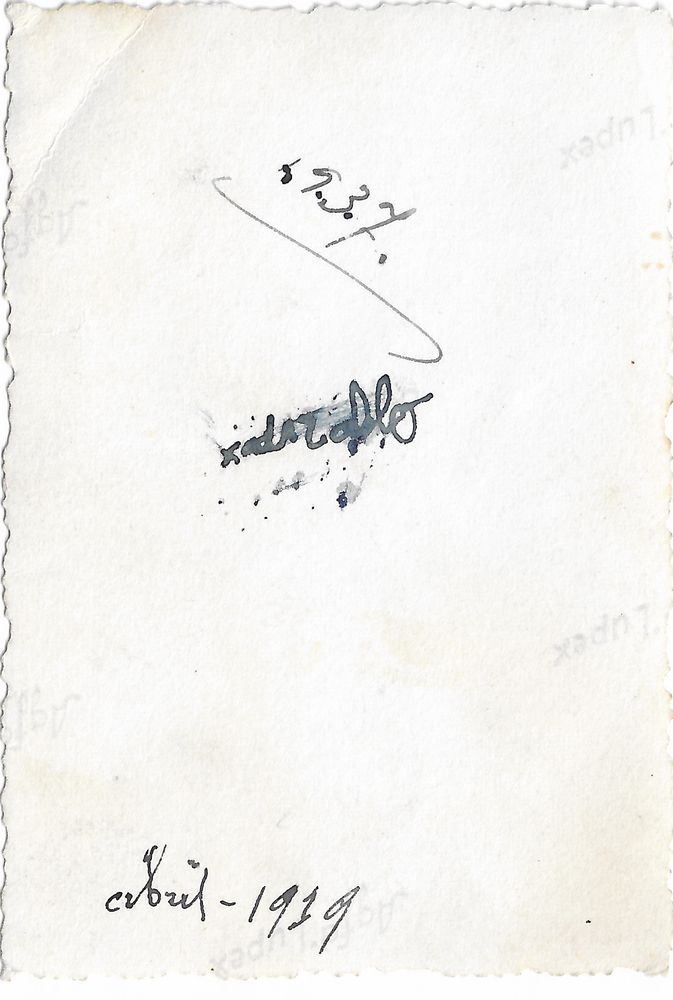
so we start with the backs, because that's where the writing is.
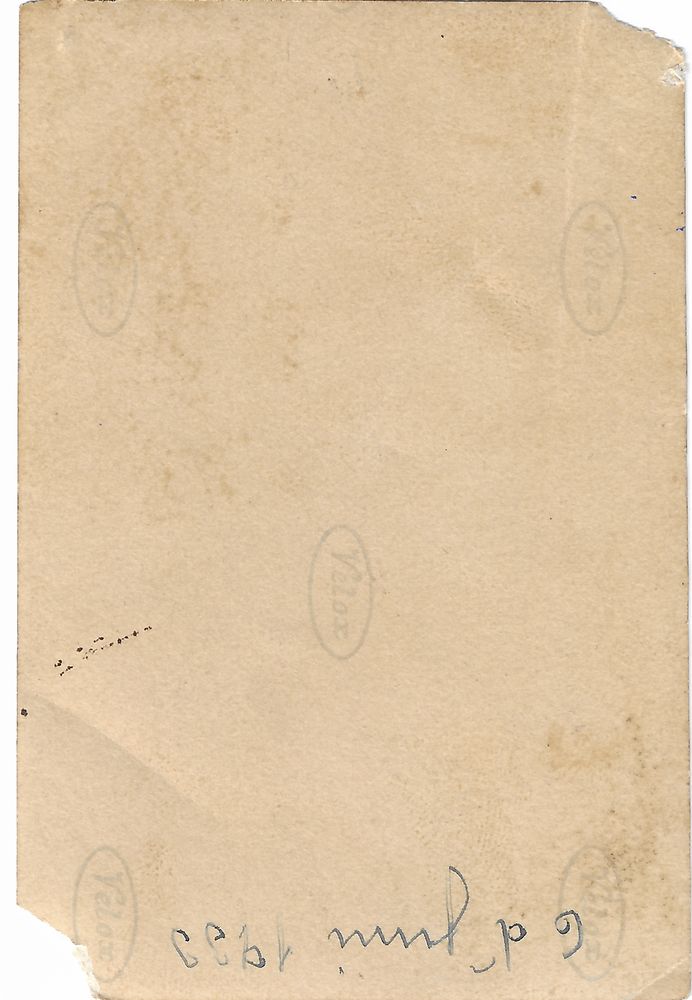
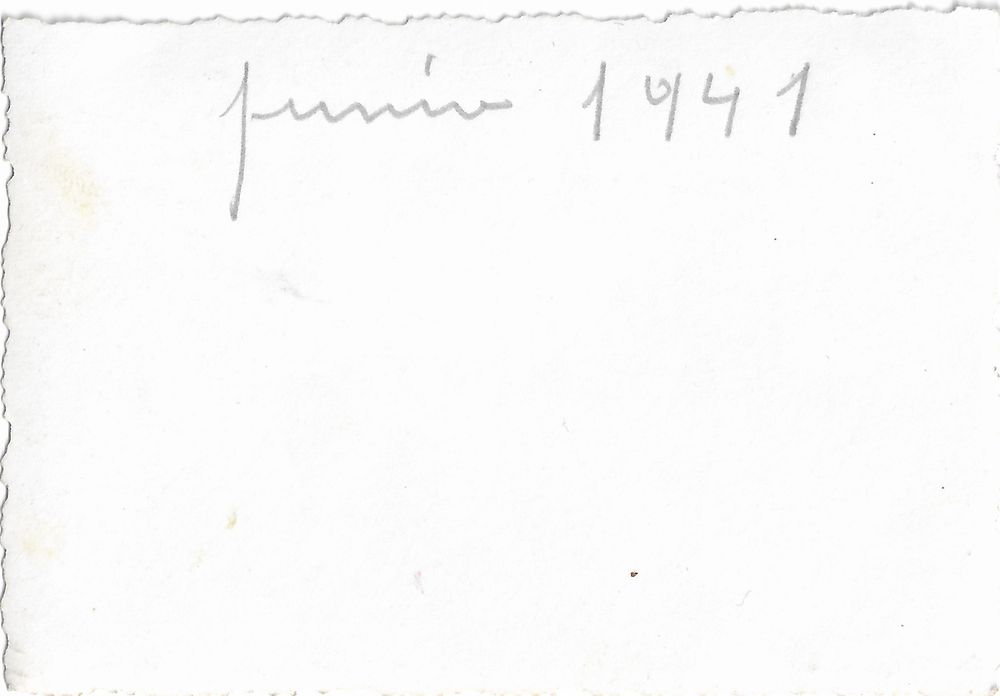
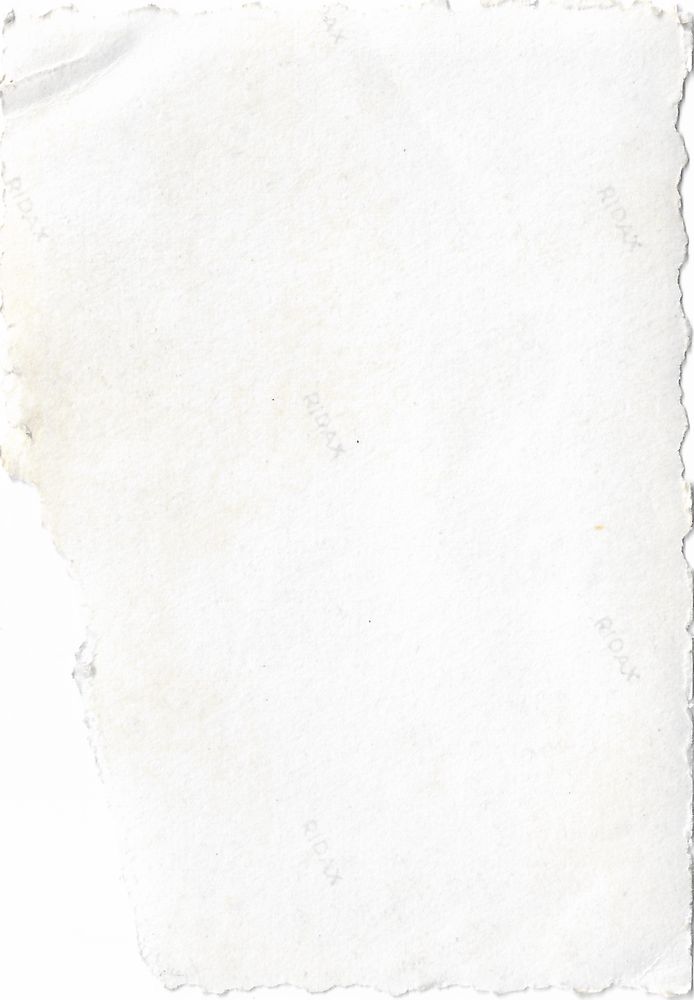
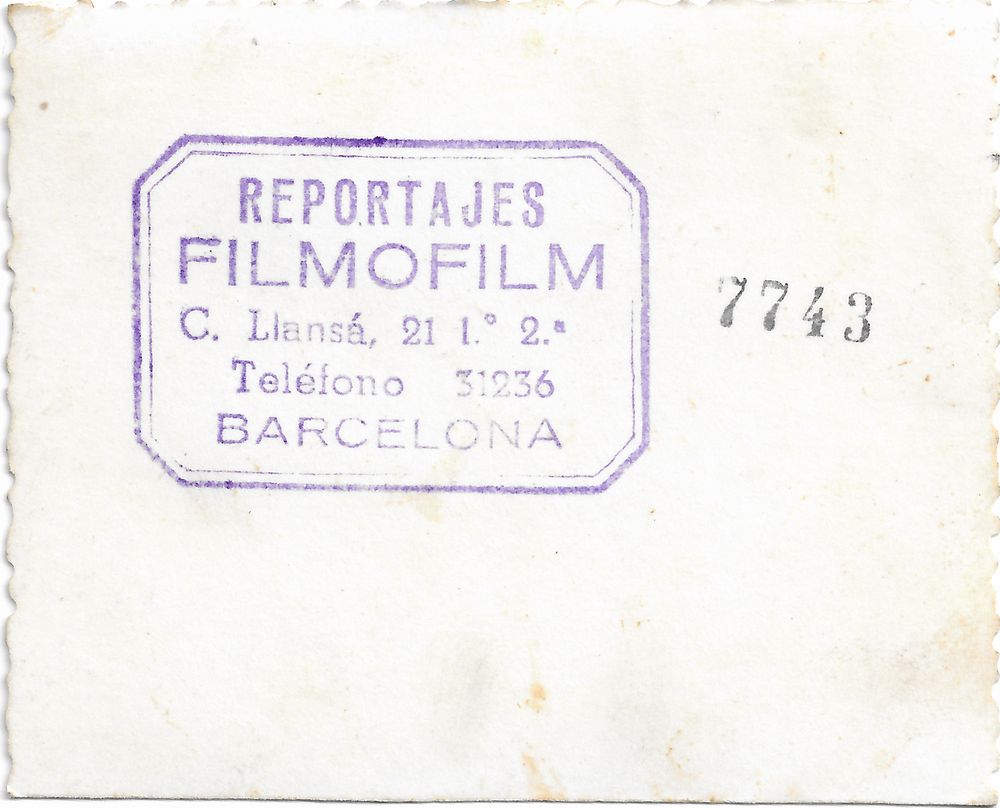
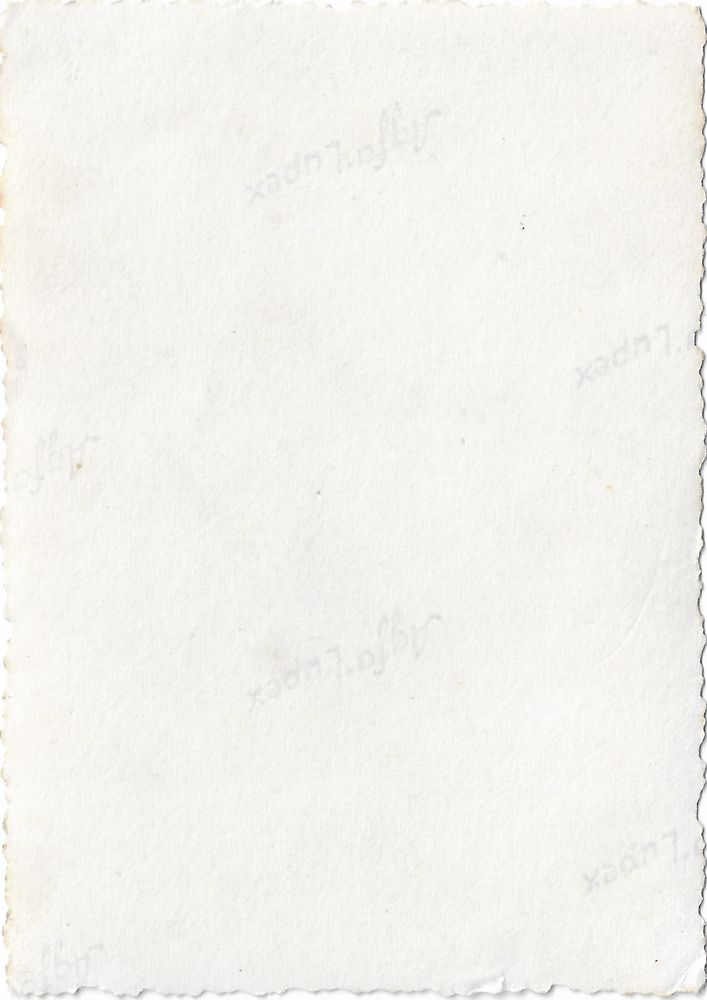
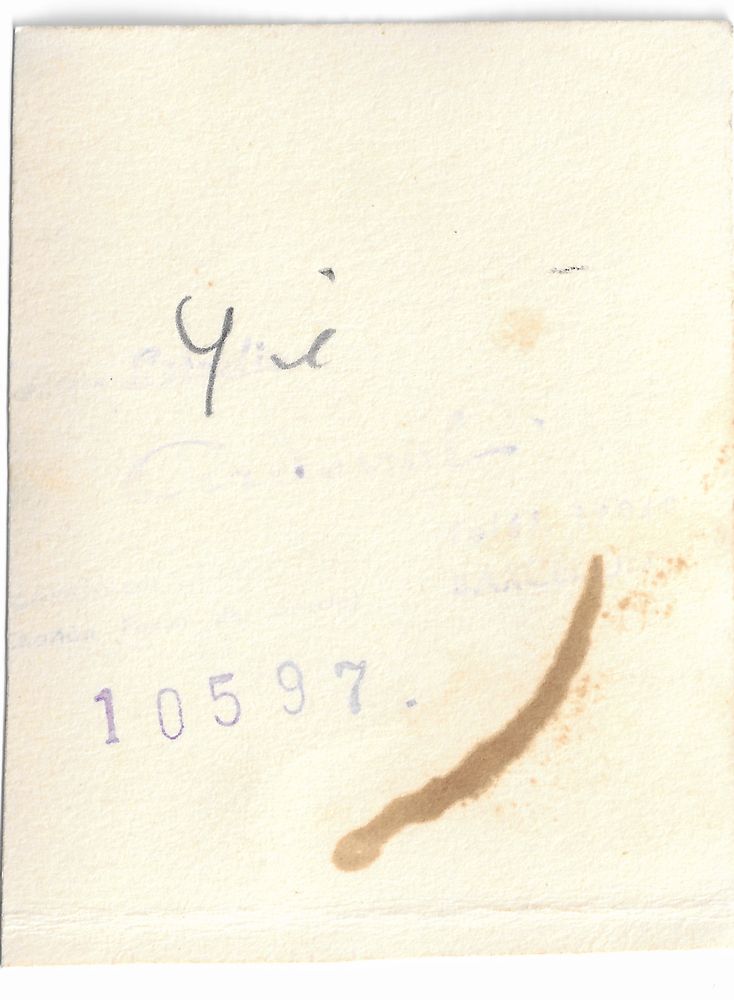
except at first there are no backs. the detector finds five out of a hundred and six. white paper on a white card — i chose that card, i chose it on purpose to keep the white balance, and now it looks like it ate the half of the archive that actually talks.
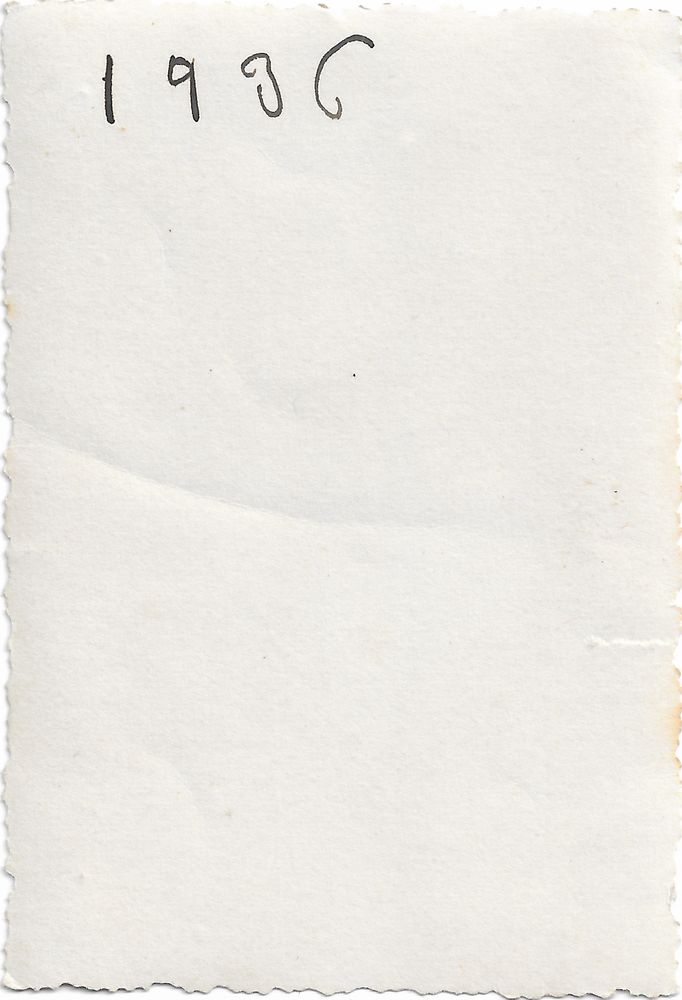
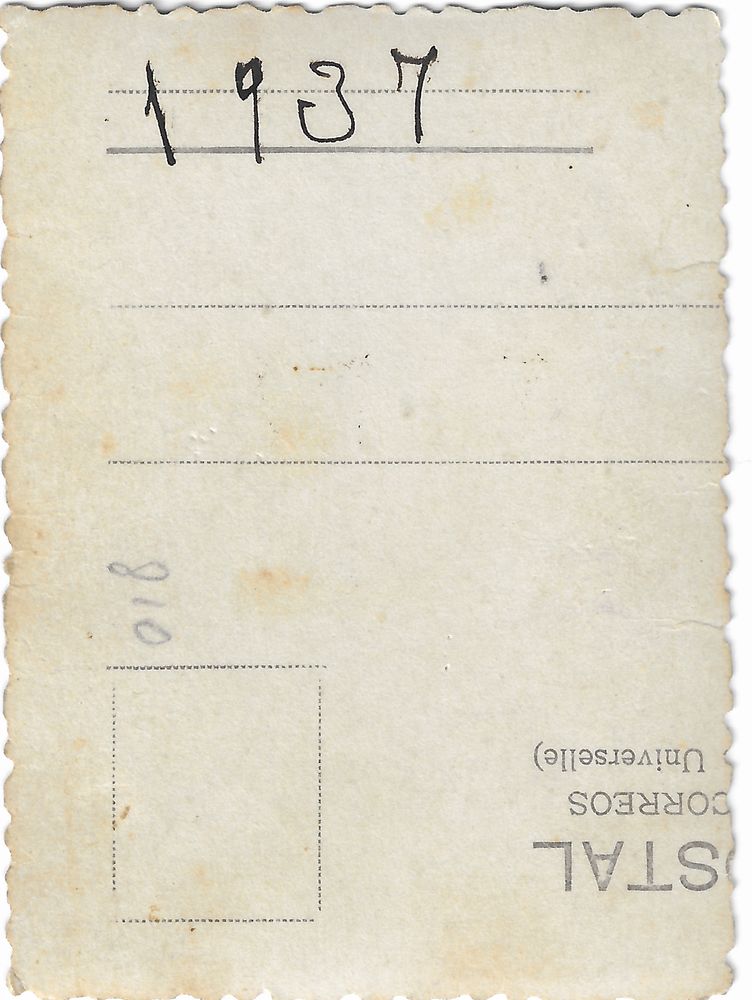
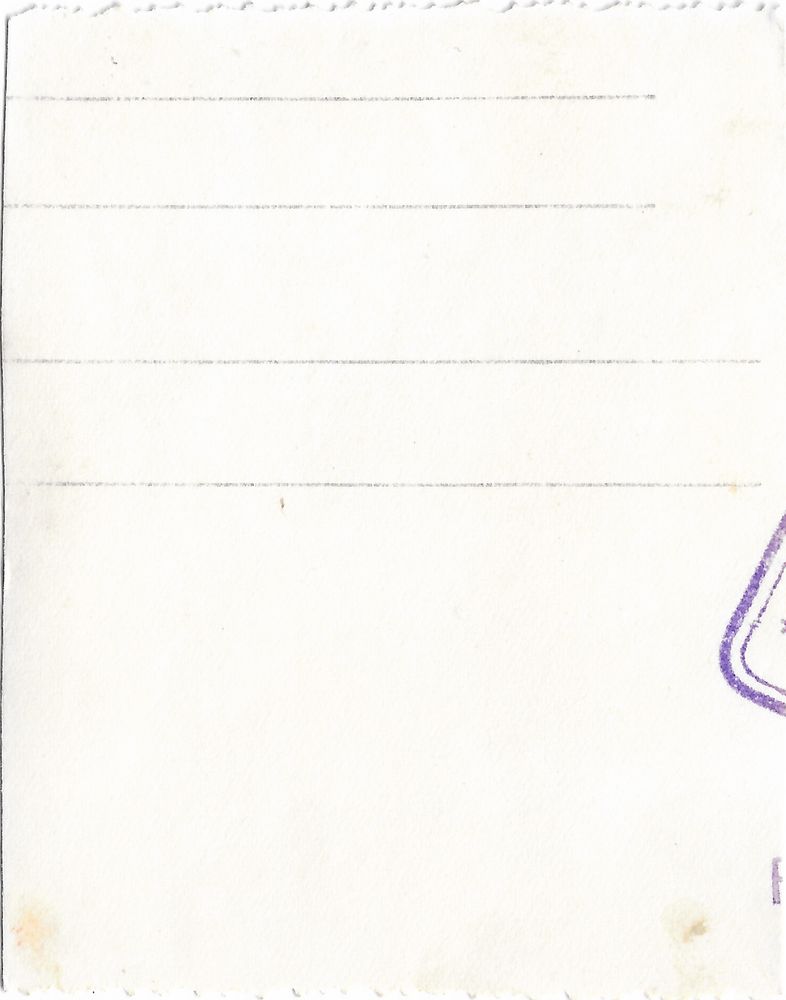
then it turns out they were never gone. the card is smooth and photographic paper has grain. you don't look for a difference in brightness, you look for a difference in texture — 0.06 against 0.6. twenty times apart, hiding under two levels of grey. all hundred and six come back.
i like that this is the shape of the whole project. nothing is missing. we were measuring the wrong thing.
the dates start piling up
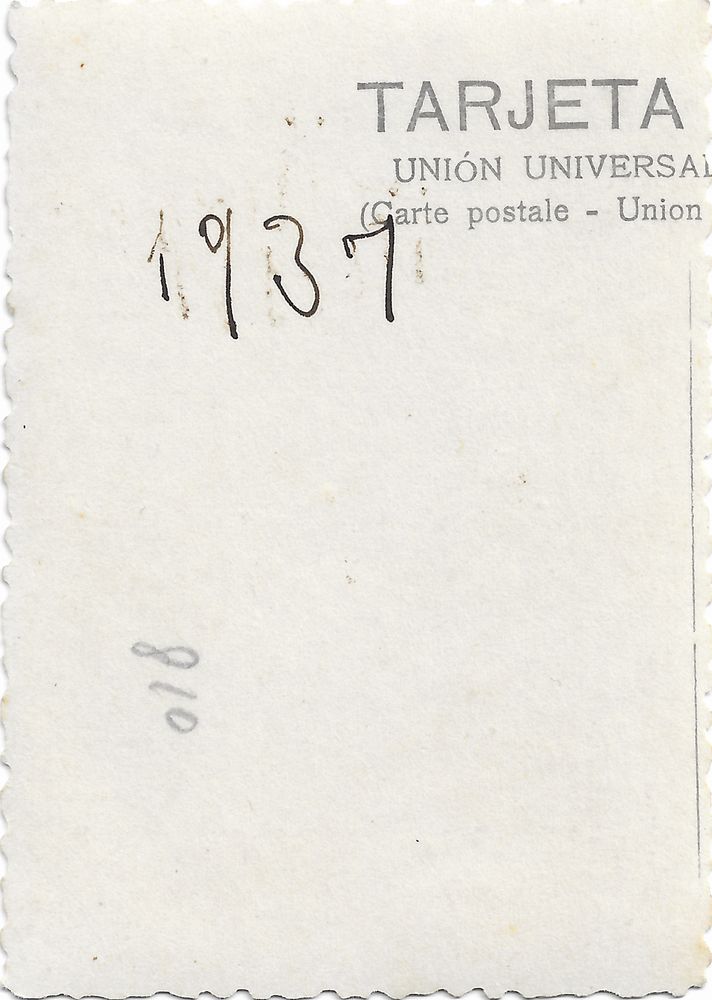
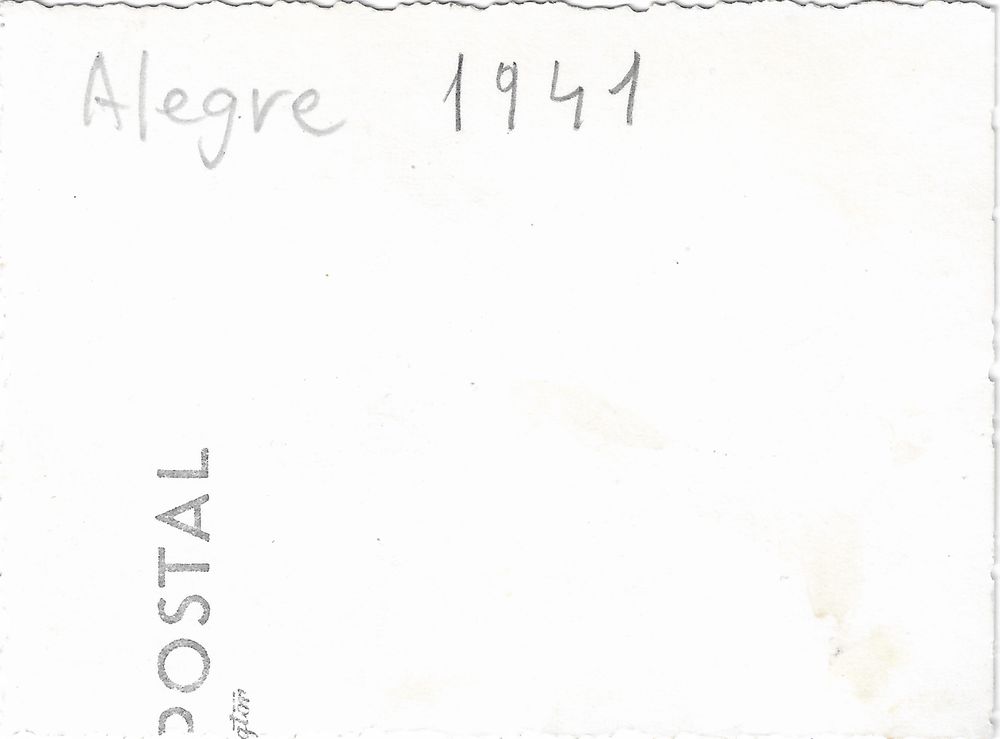
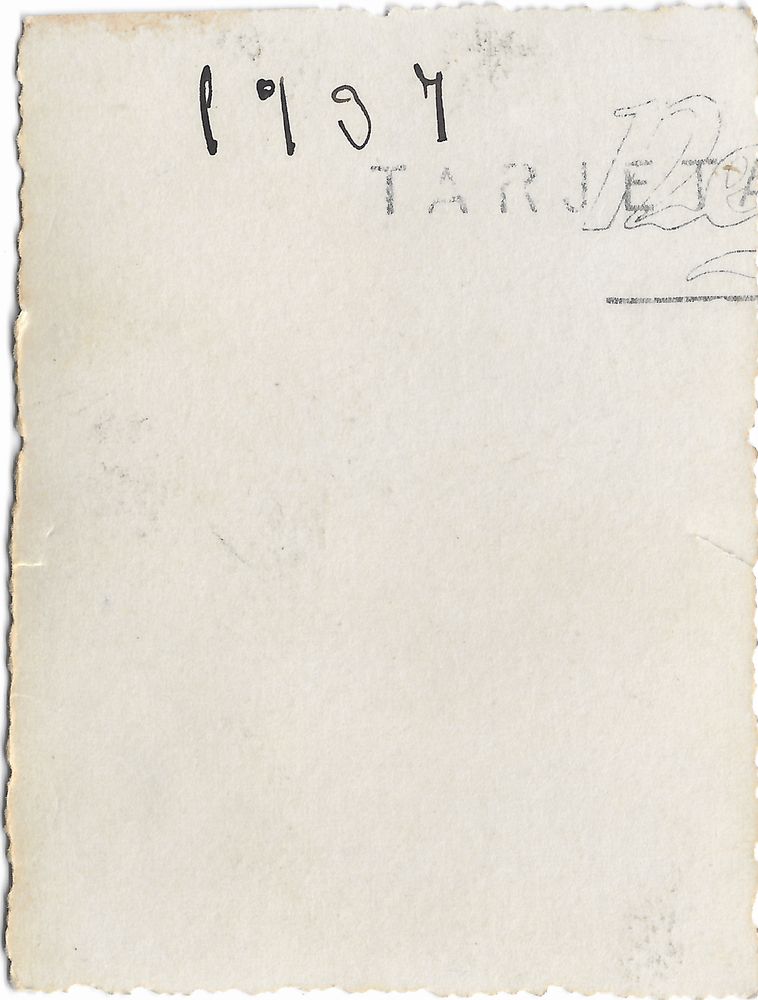
we read them one at a time, turning each one the right way up as we go, because a machine can tell you which way the handwriting runs but not which way is up.
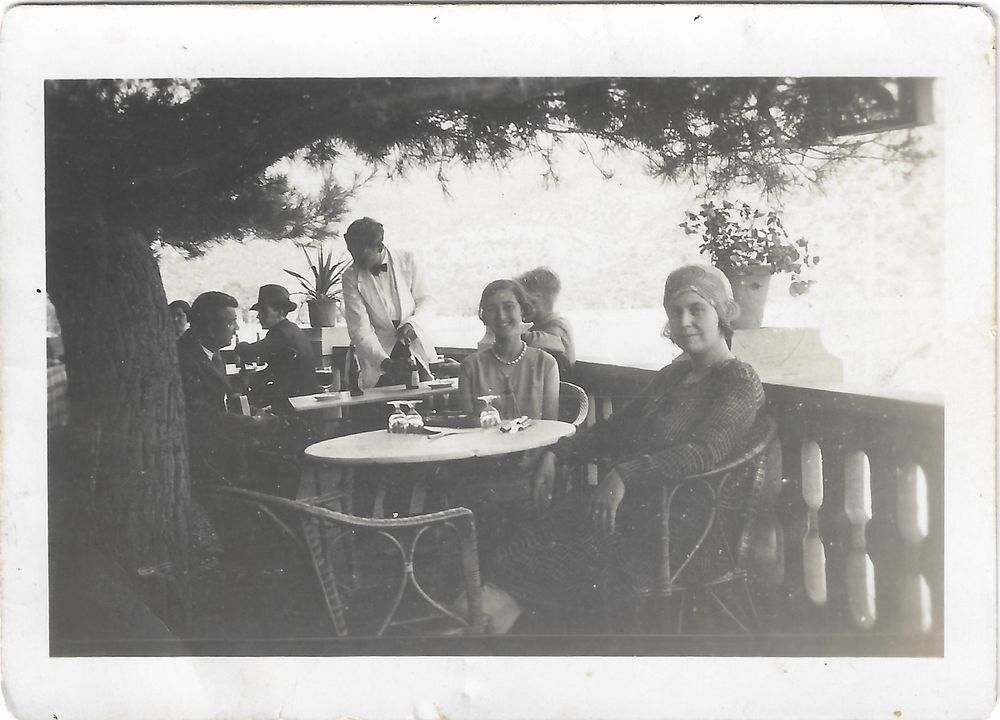
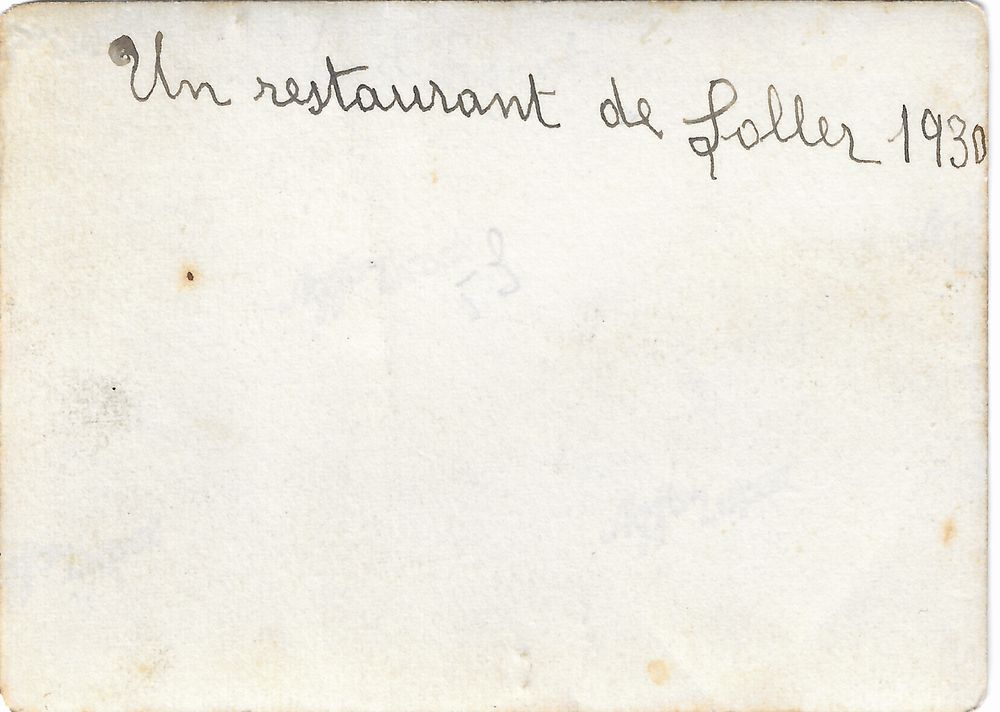
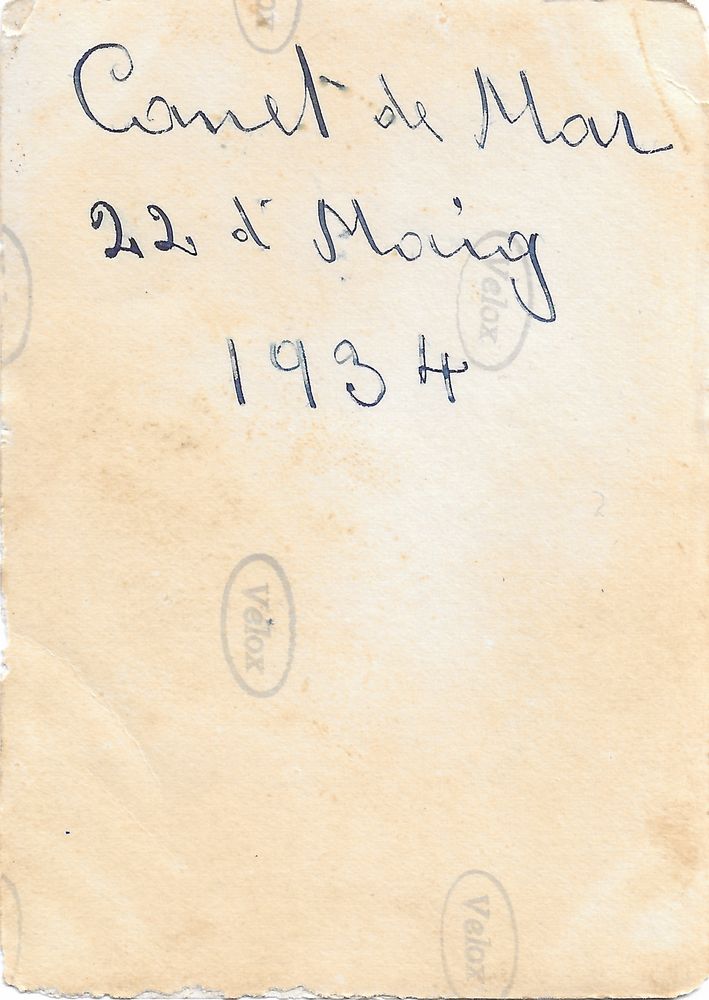
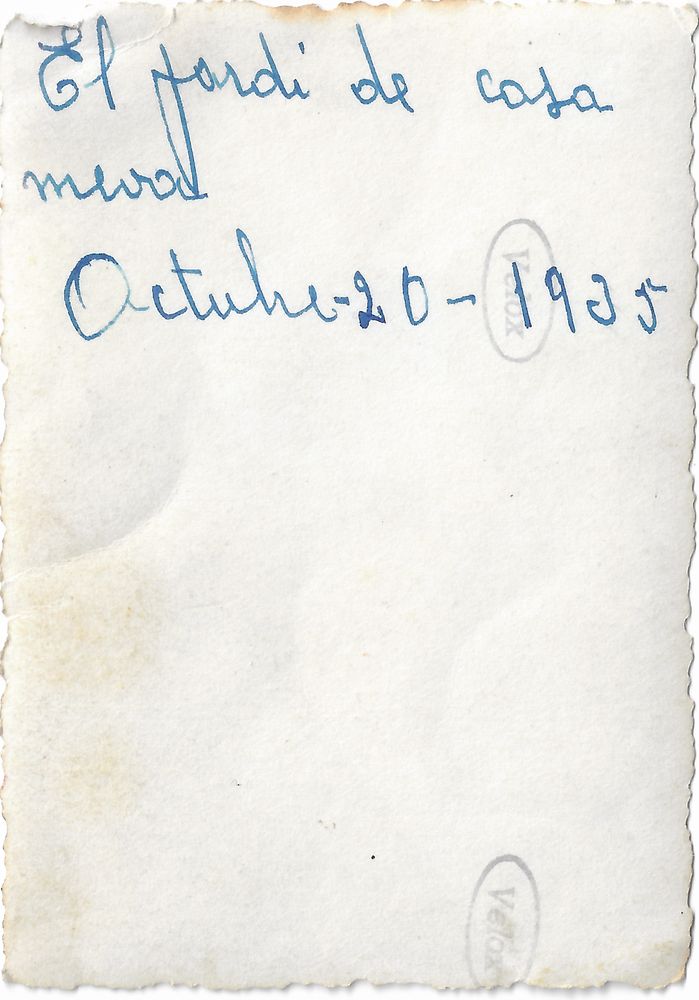
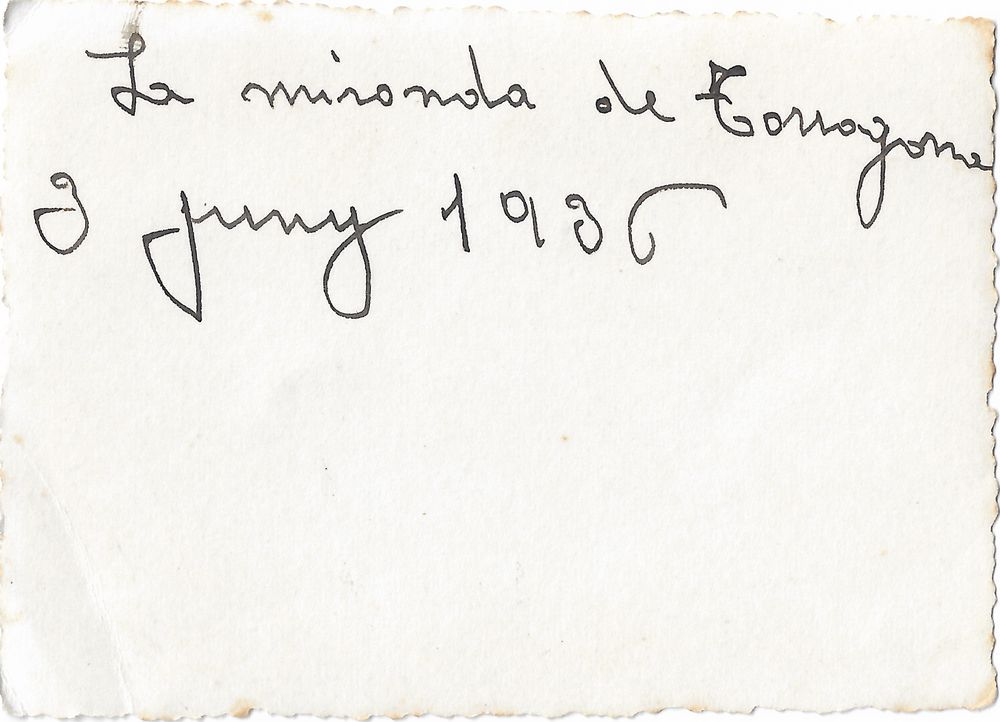
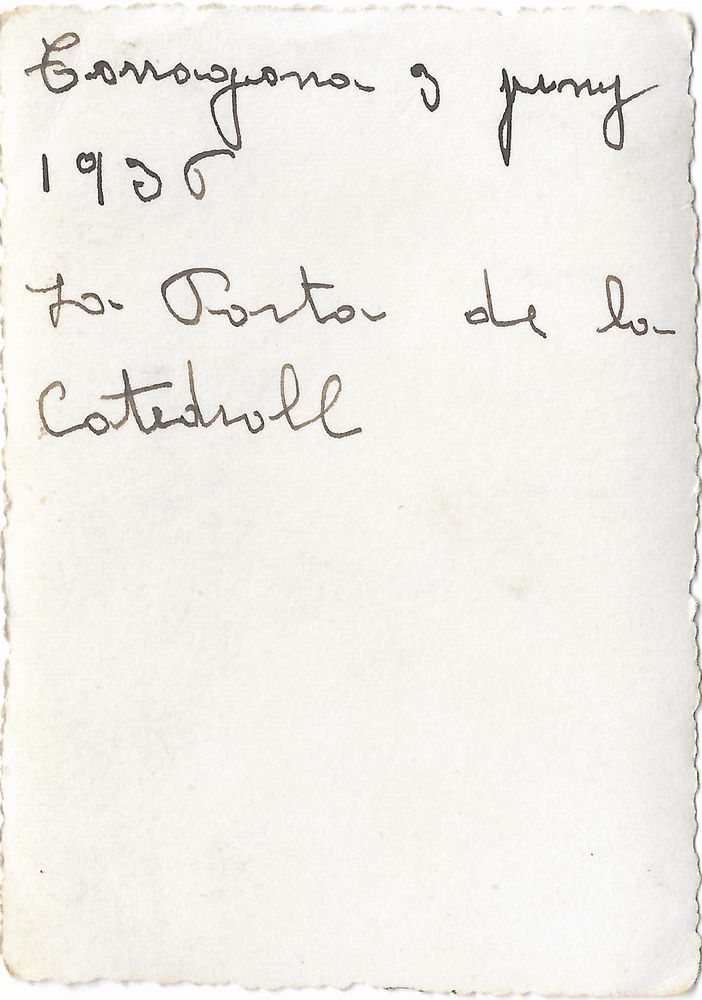
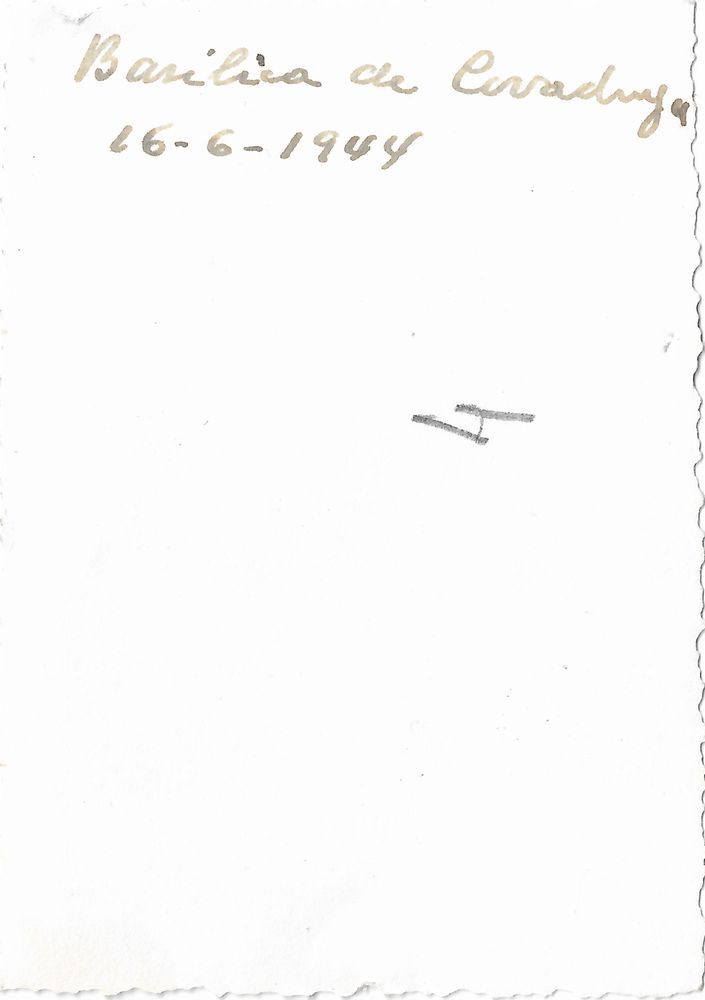
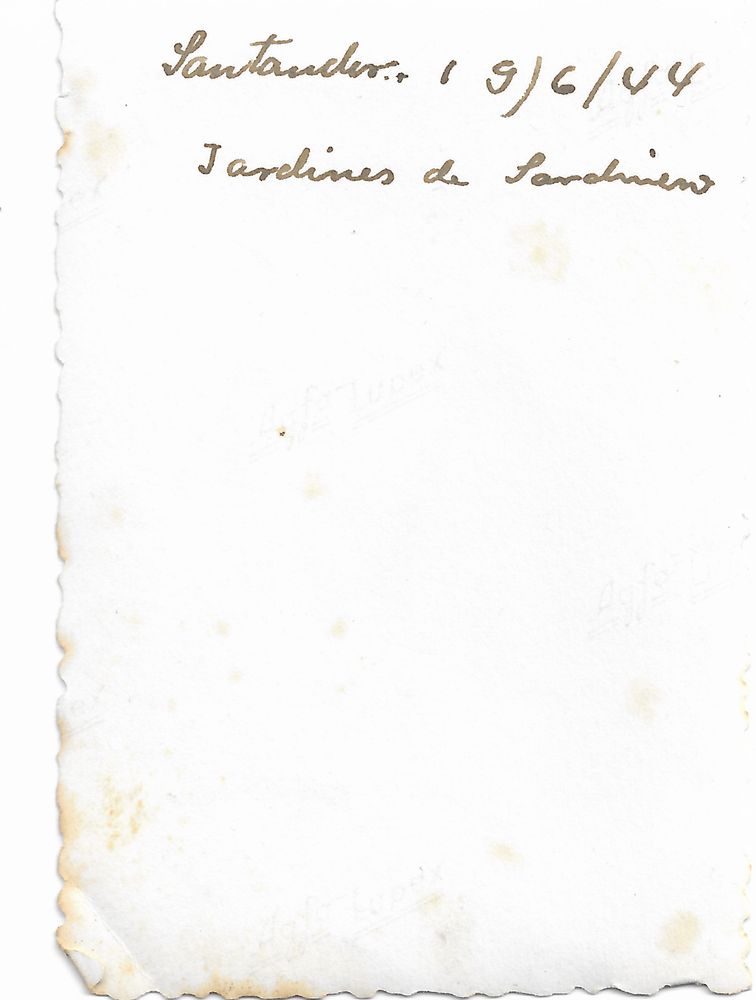
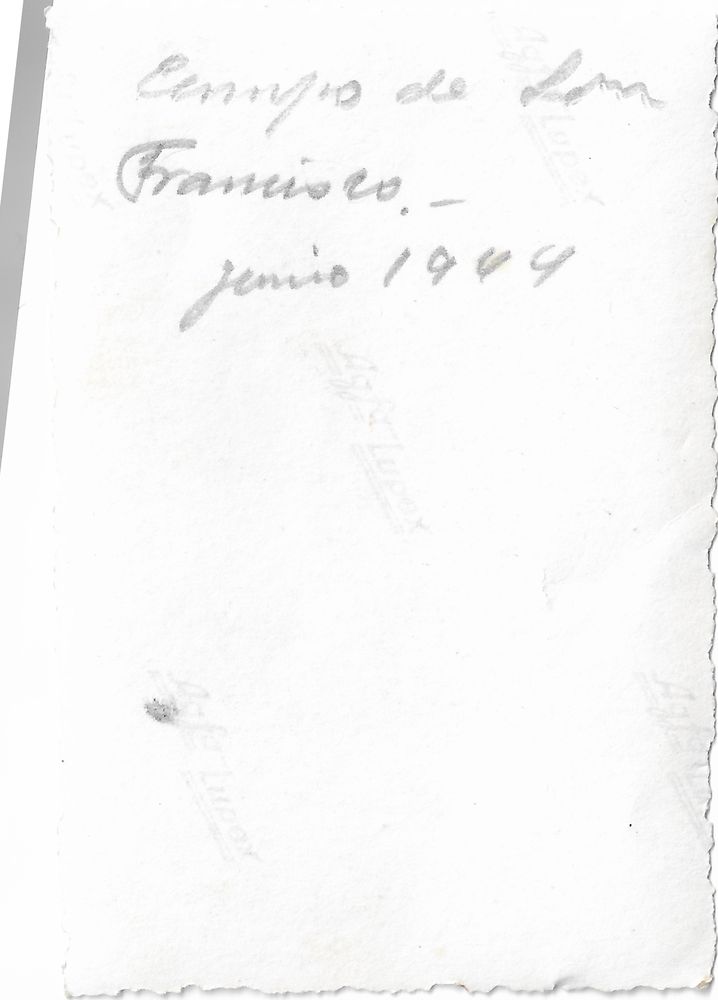
canet de mar, 22 de maig 1934. un restaurant de sóller, 1930. tarragona, 3 juny 1936 — six weeks before the war. el jardí de casa nova, october 1935, which is a family moving house.
and then 1944, over and over, until it's thirty-five of them.
it's a journey
i'm looking at the dates and they're not scattered. they're in order and they're moving west.
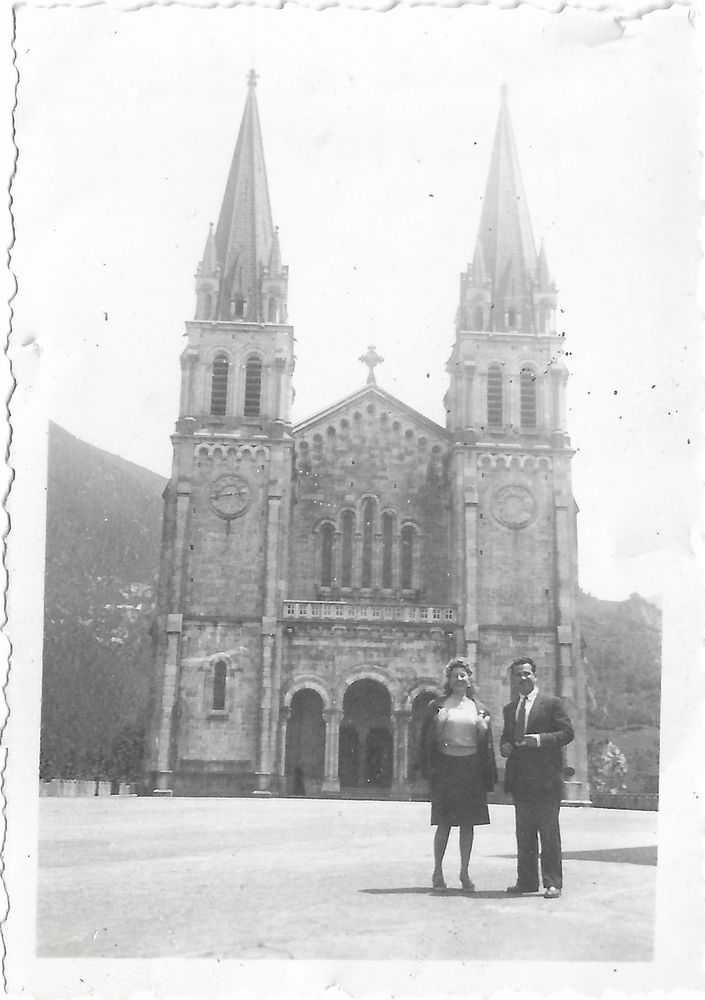
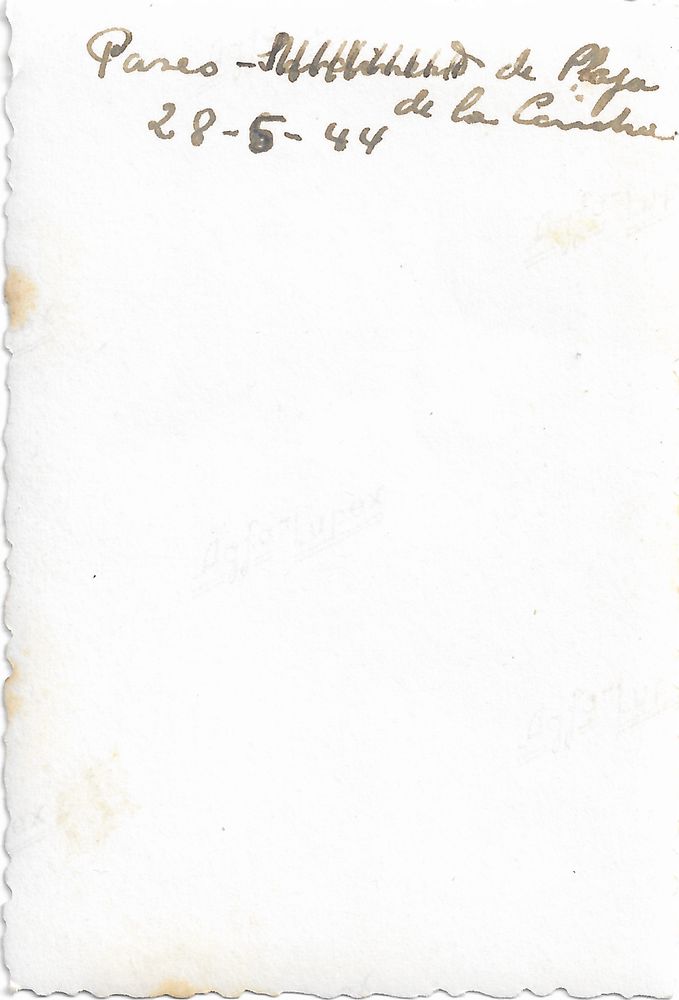
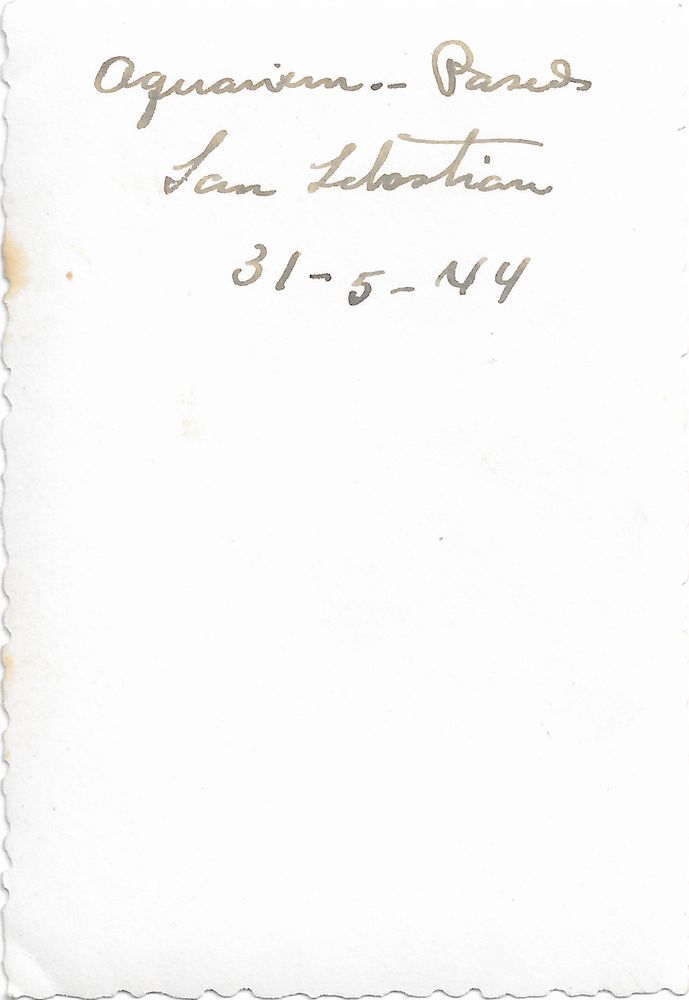
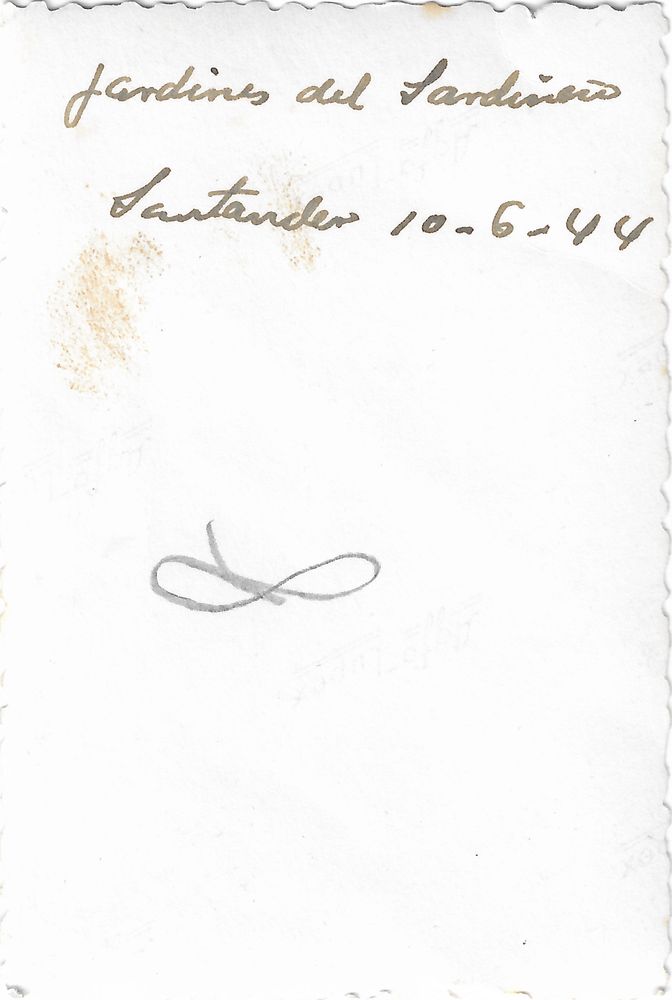
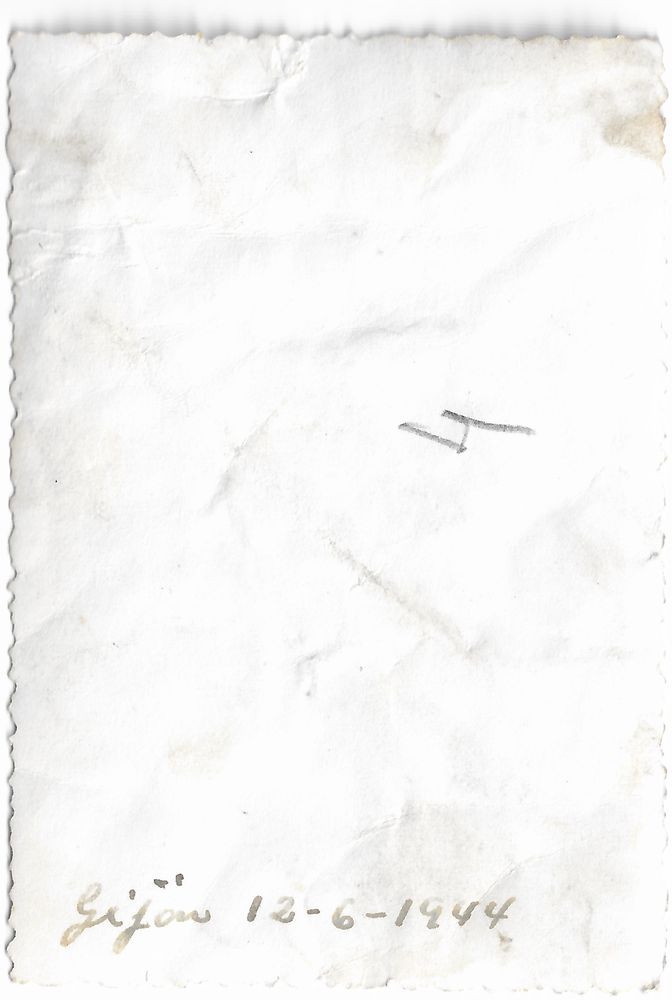
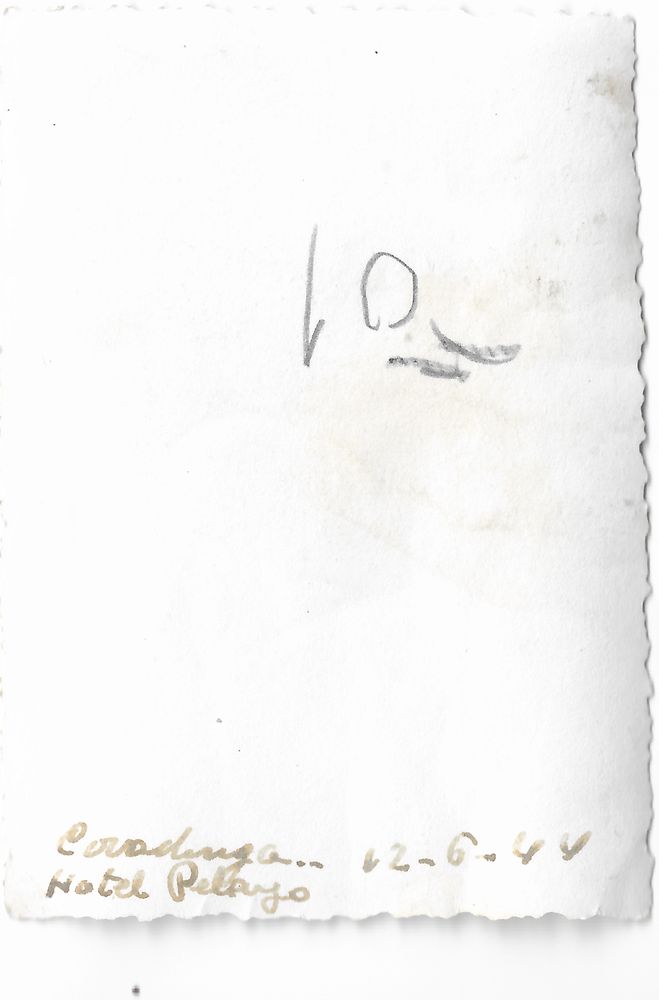
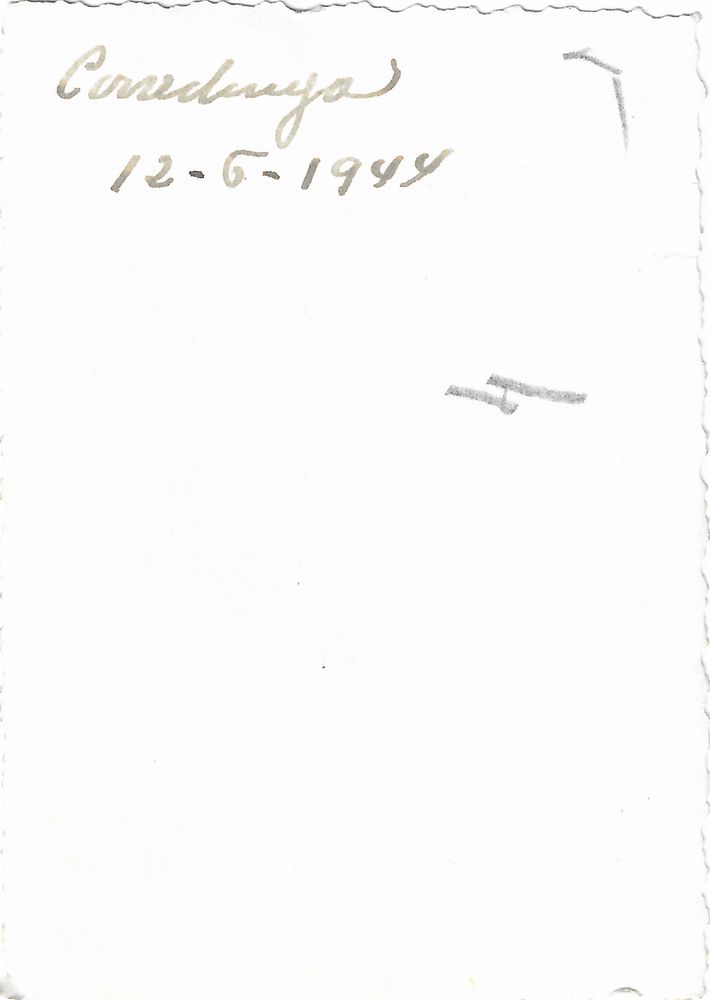
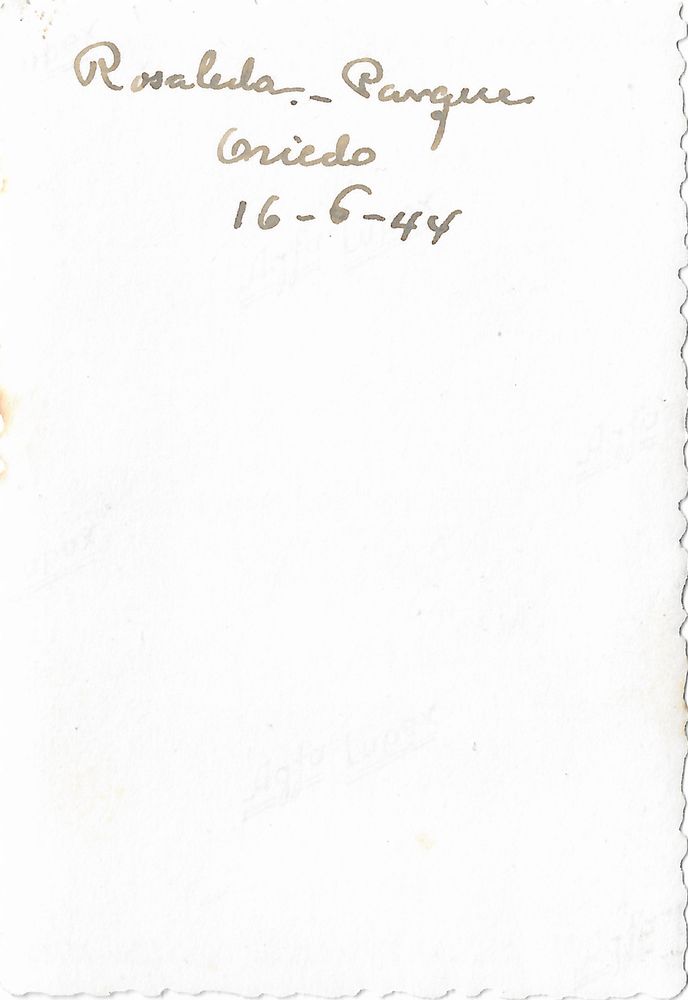
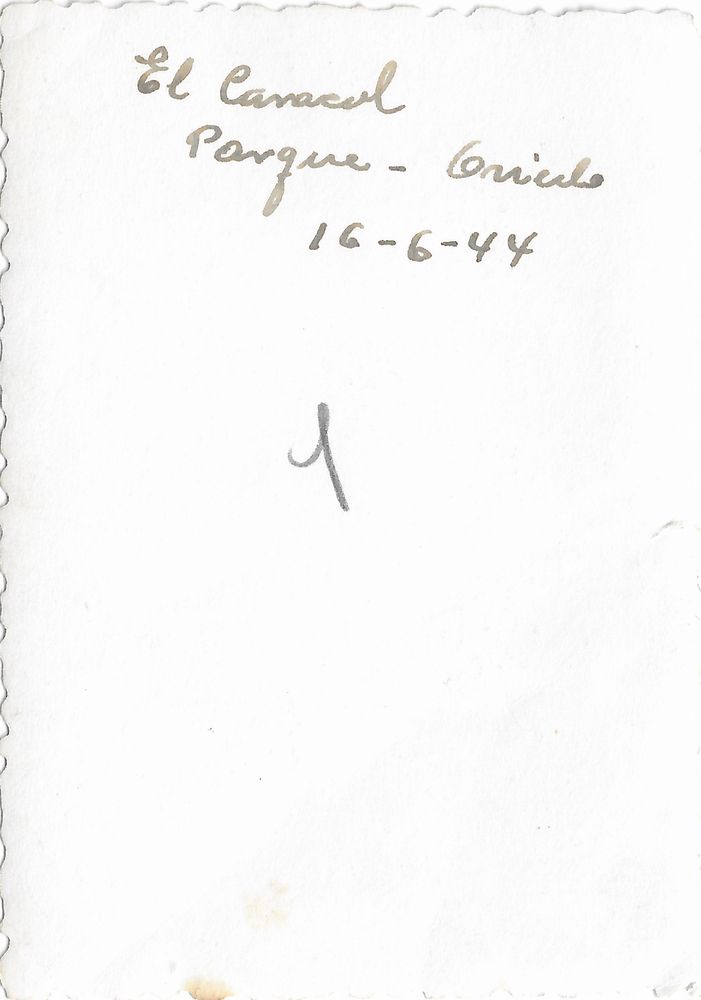
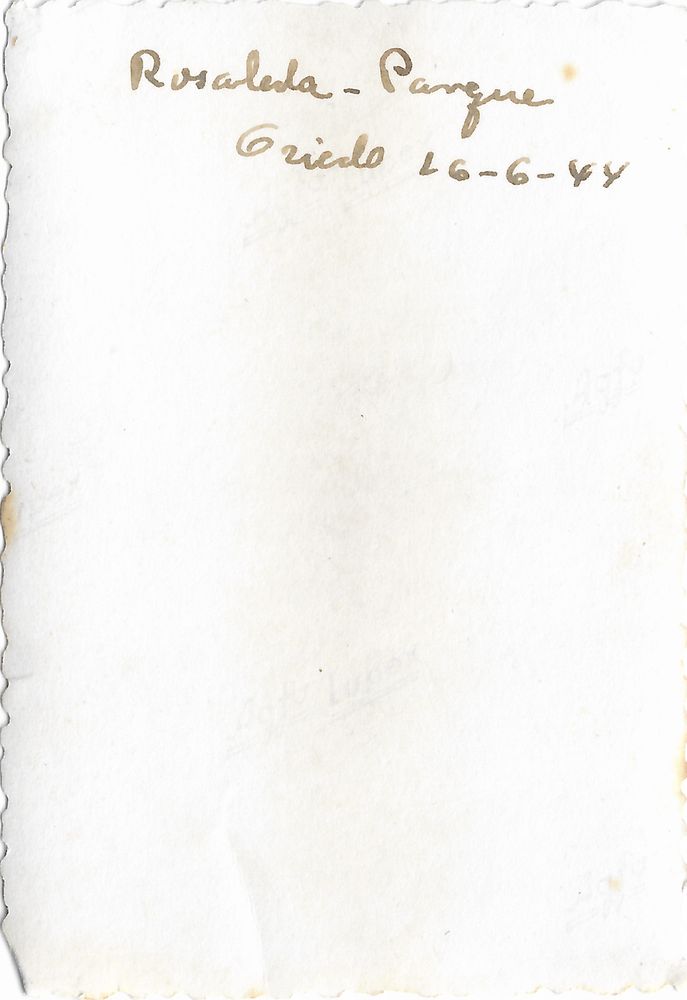
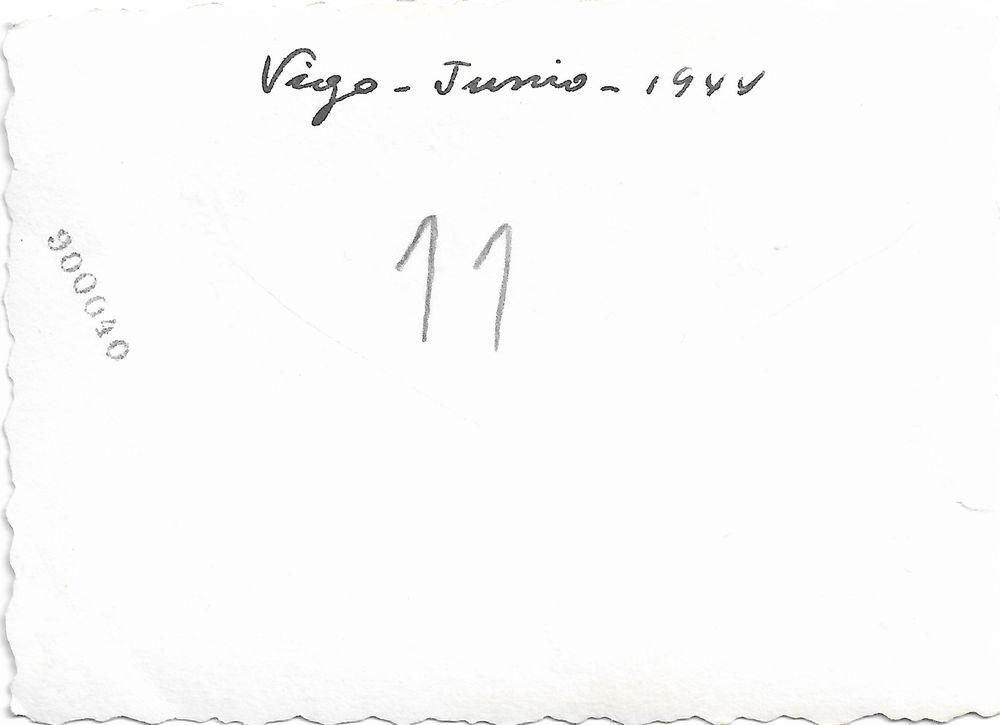
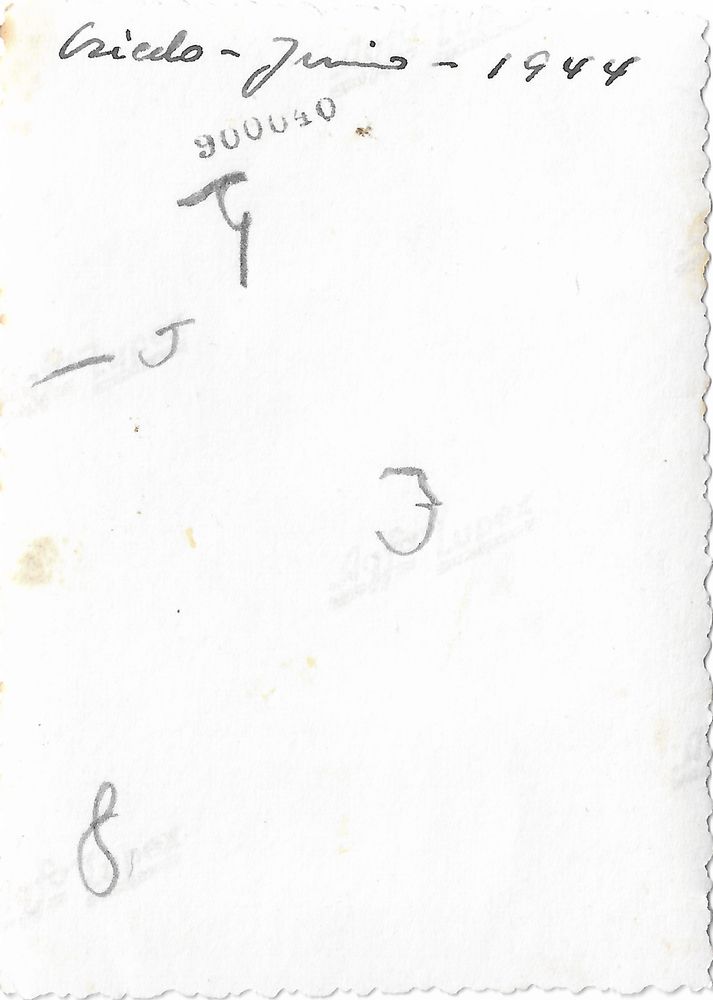
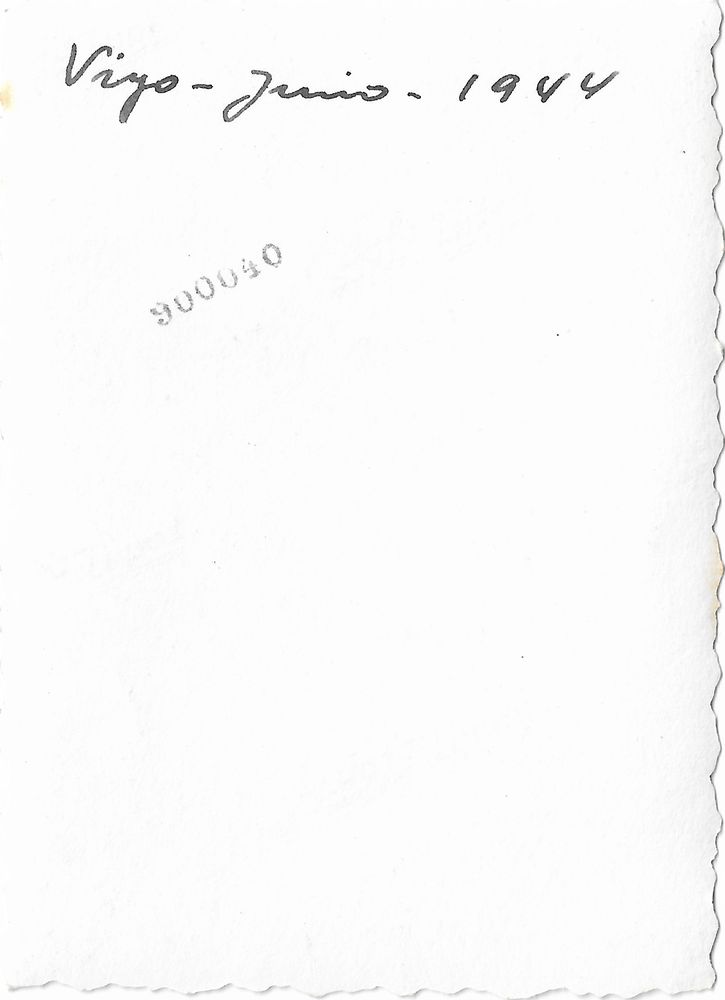
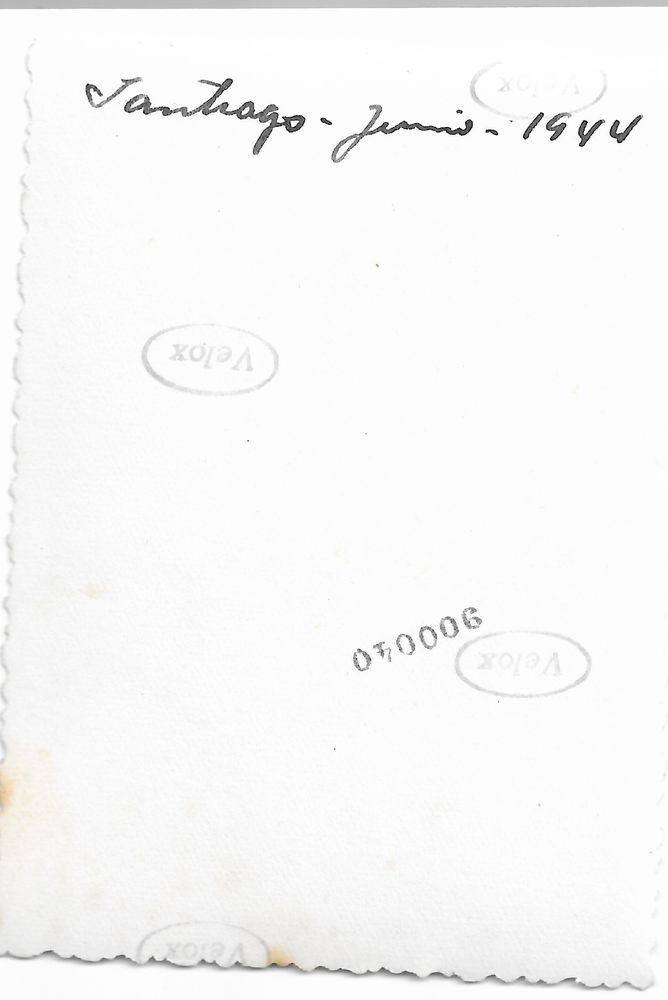
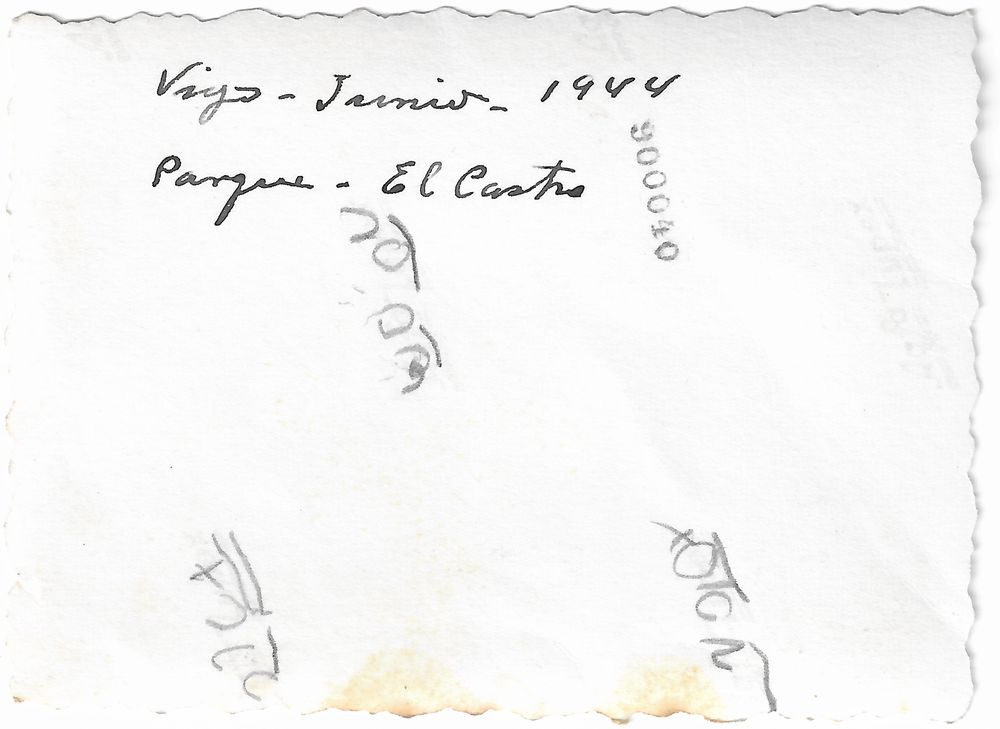
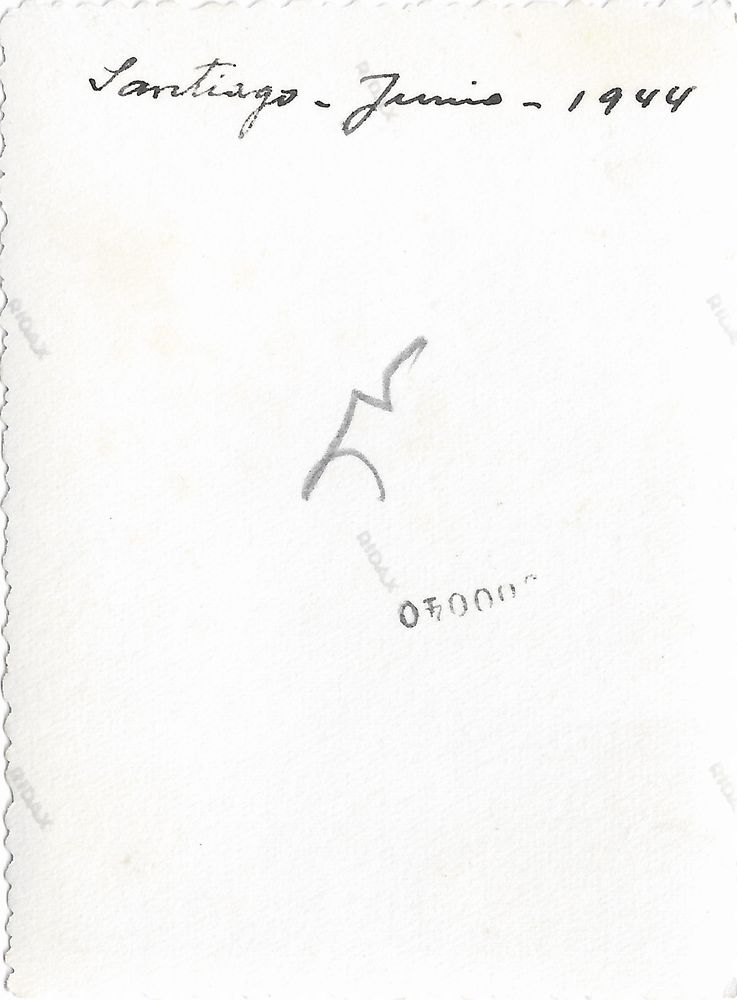
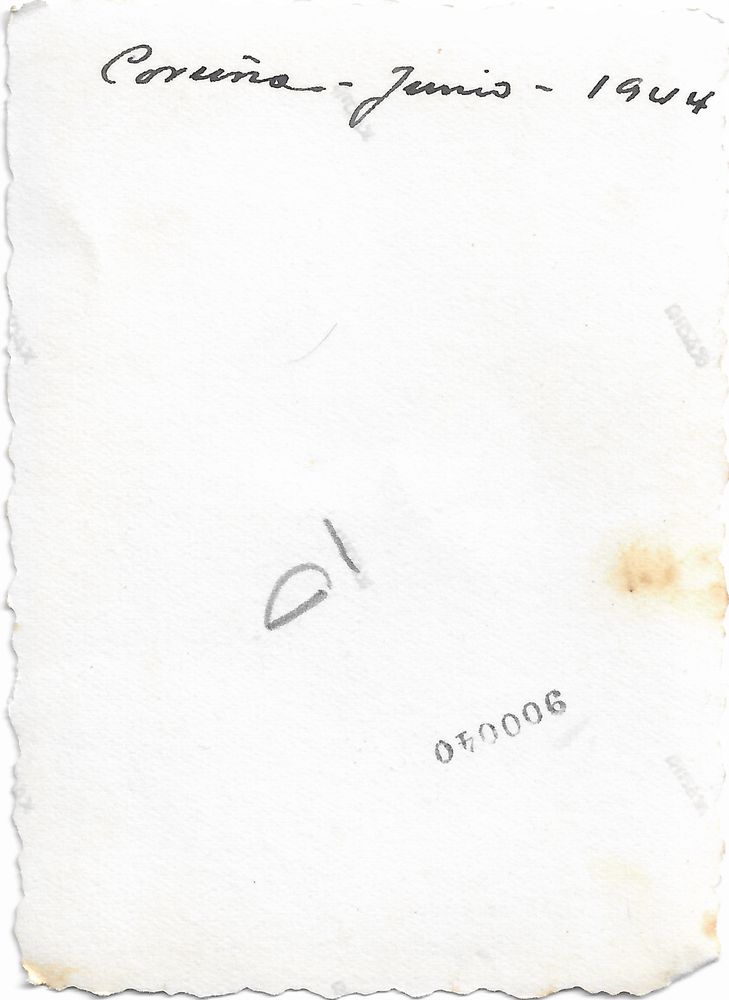
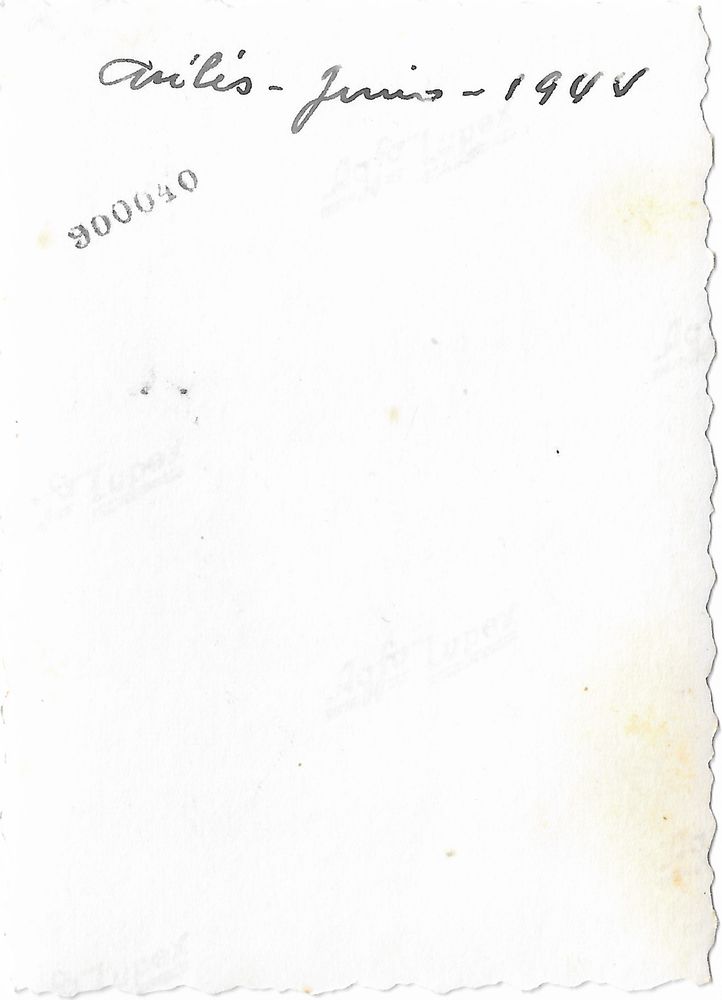
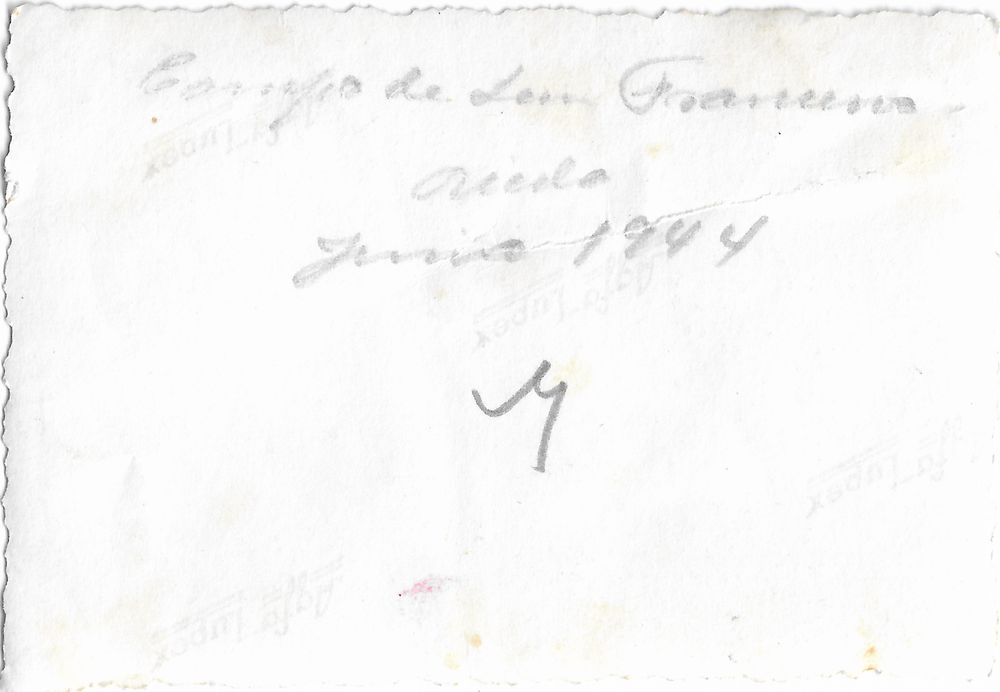
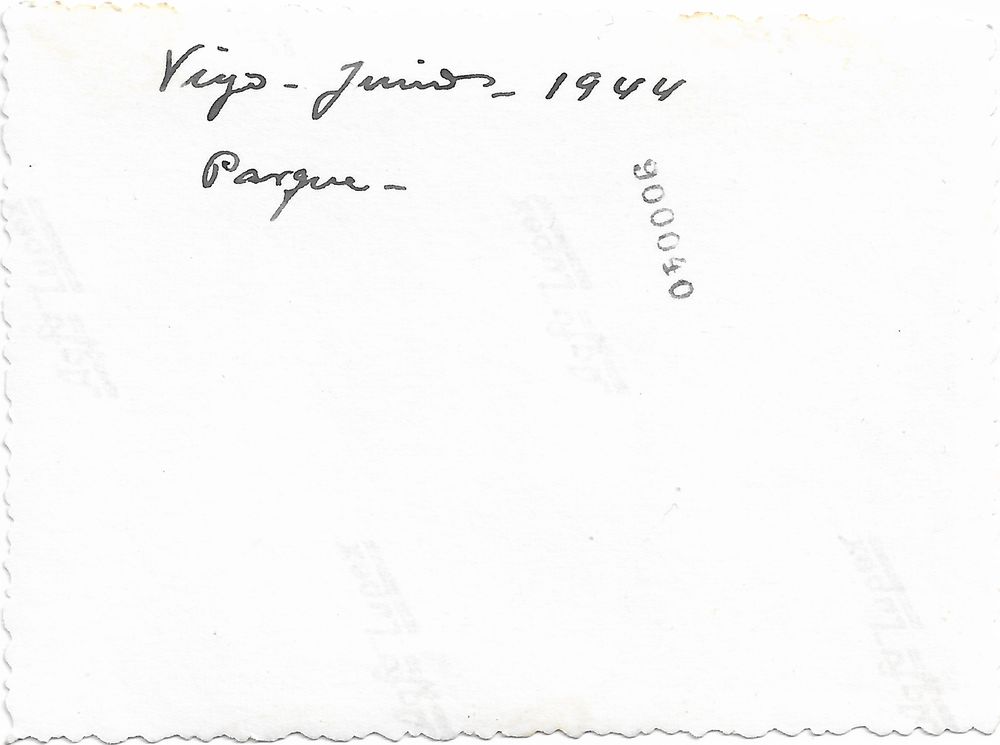
san sebastián on the 30th and 31st of may. santander on the 8th, the 10th, the 13th. covadonga and gijón on the 12th. oviedo on the 16th. gijón again on the 19th. then avilés, a coruña, vigo, santiago, madrid.
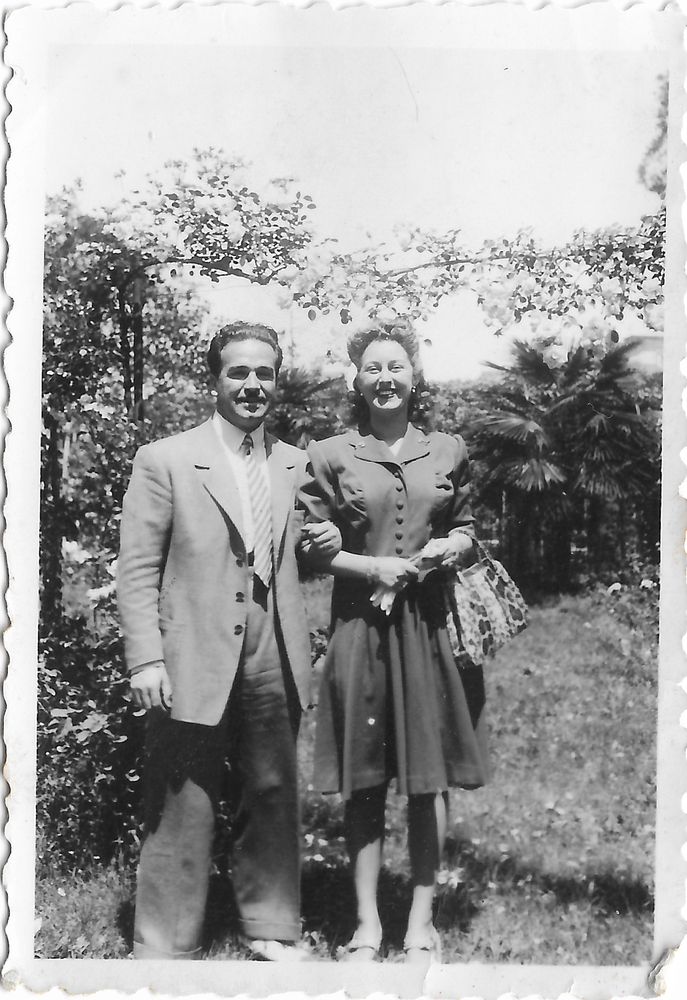
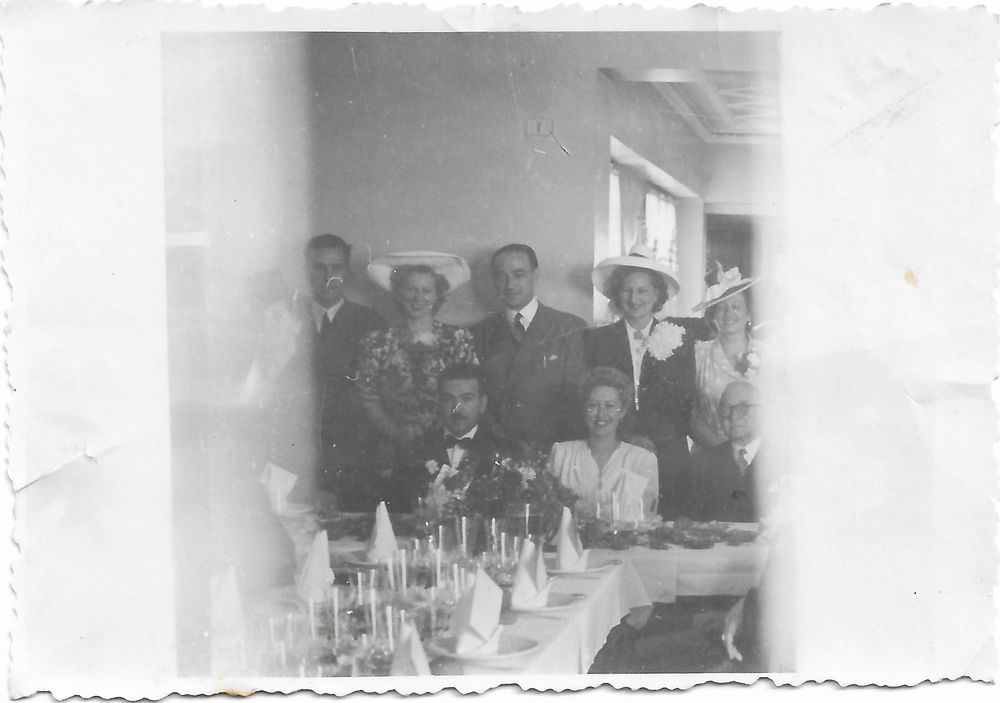
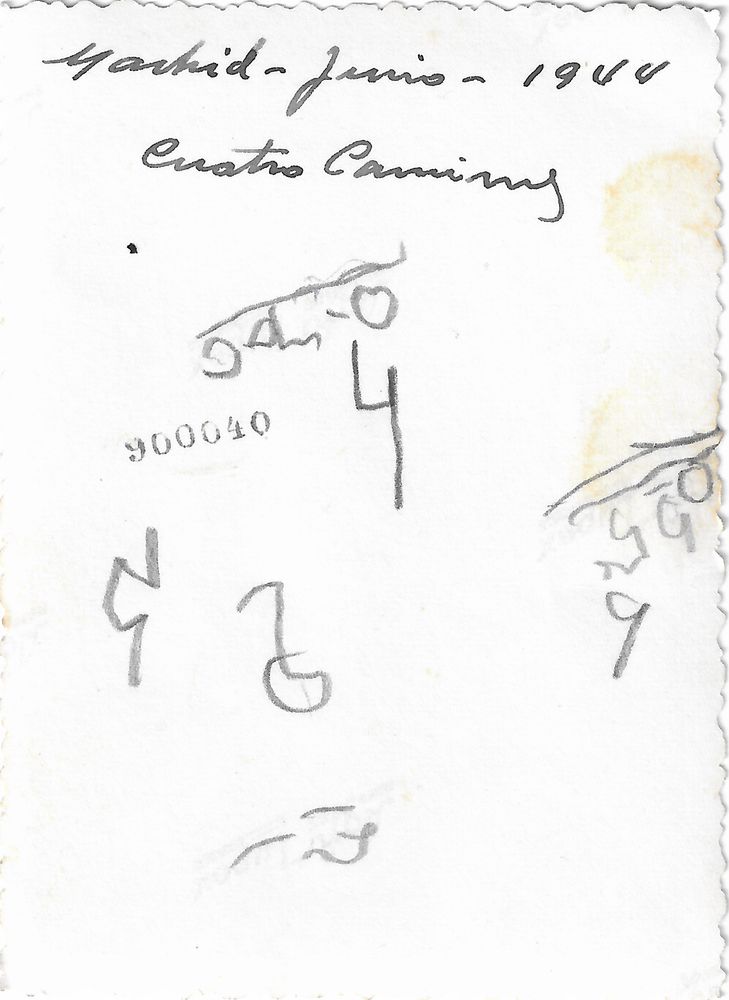
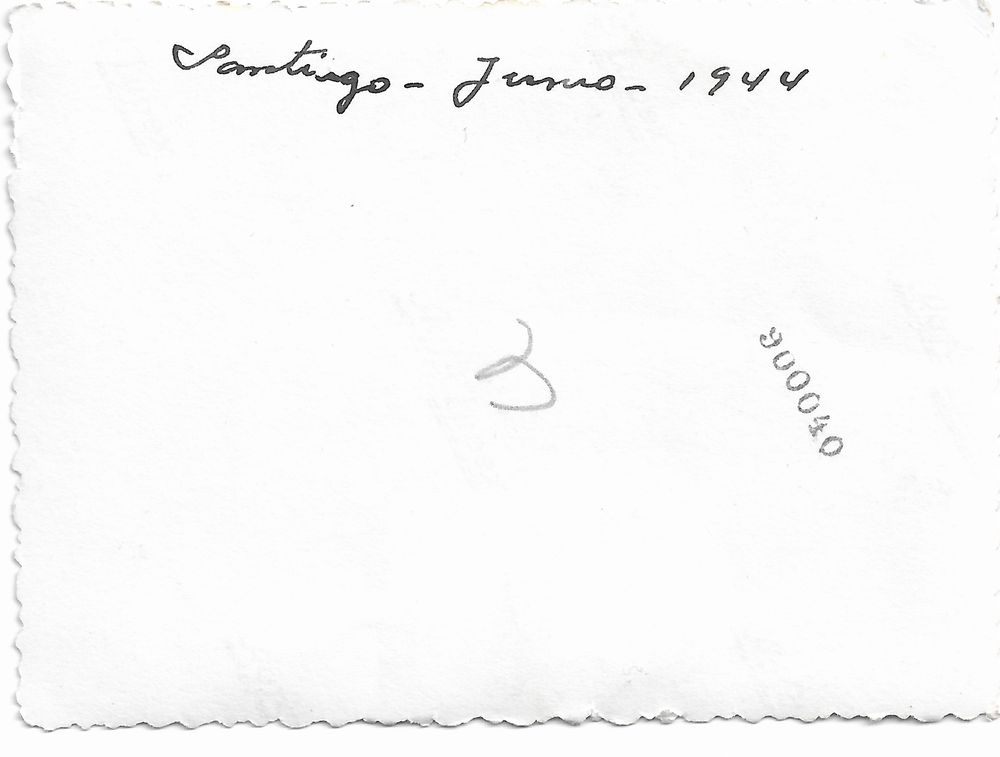
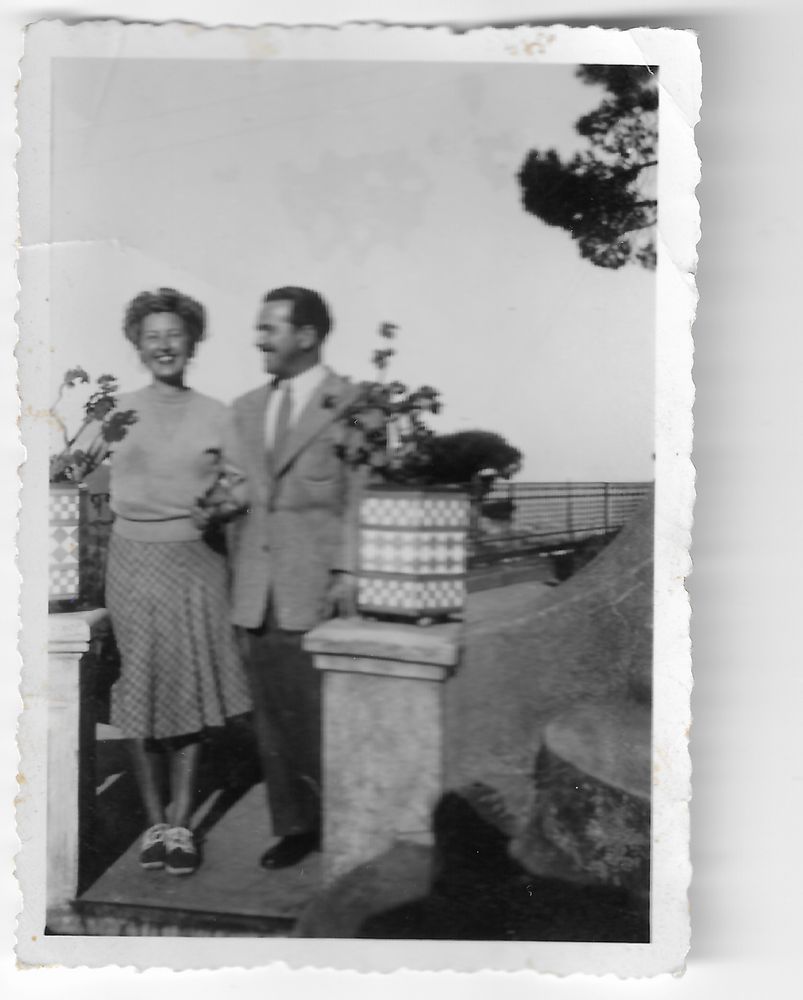
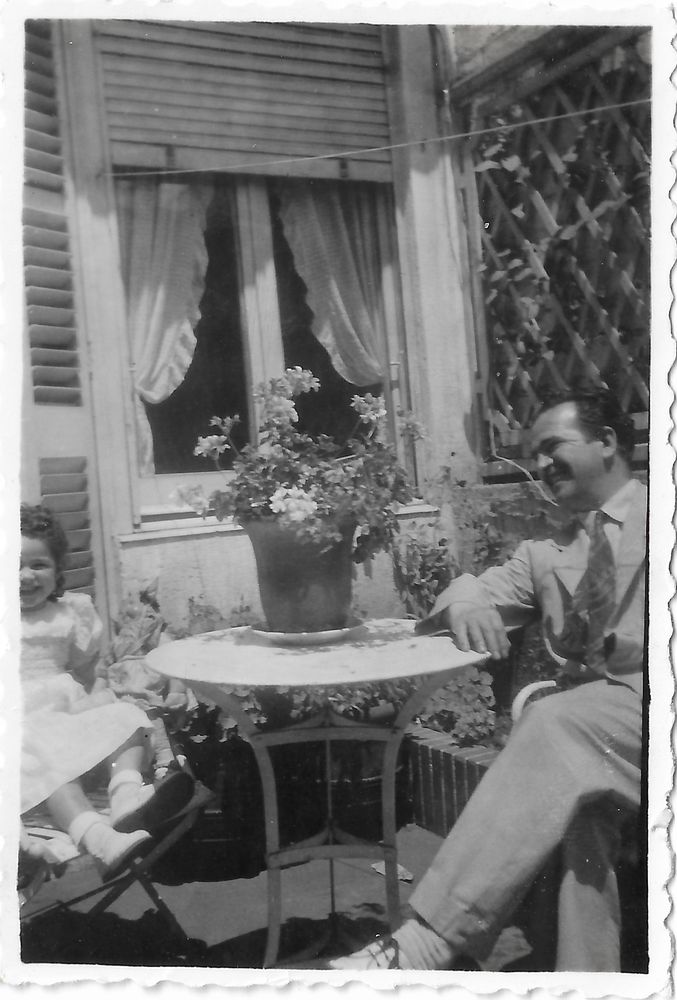
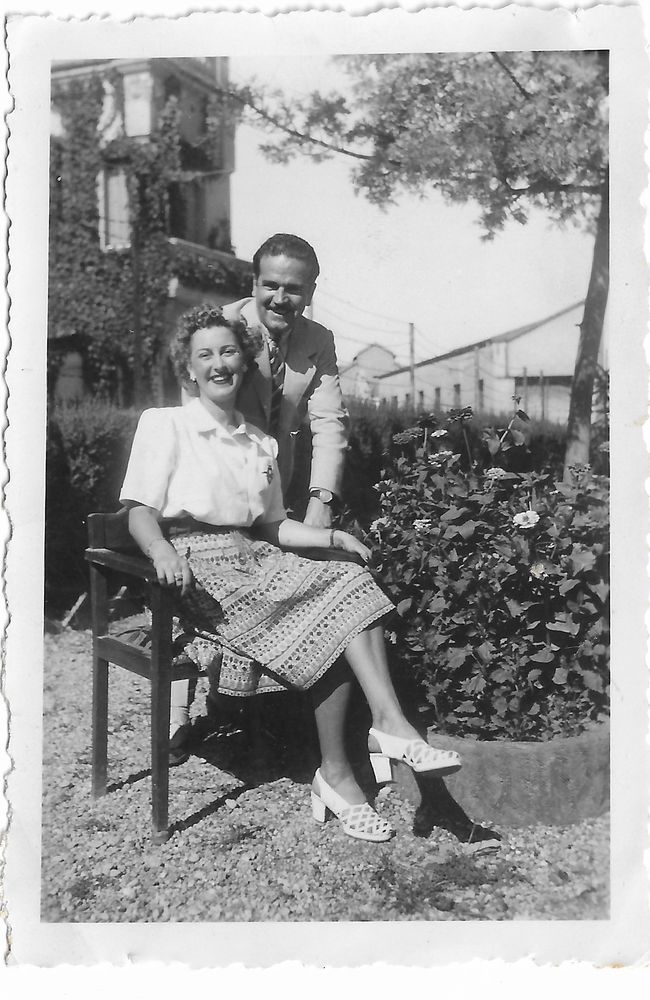
five weeks along the top of spain in 1944, which is not a normal year to be taking a holiday. same paper on nearly every print, same order number, 900040 — one shop, one batch. and the same man in the light suit next to her in almost every frame.
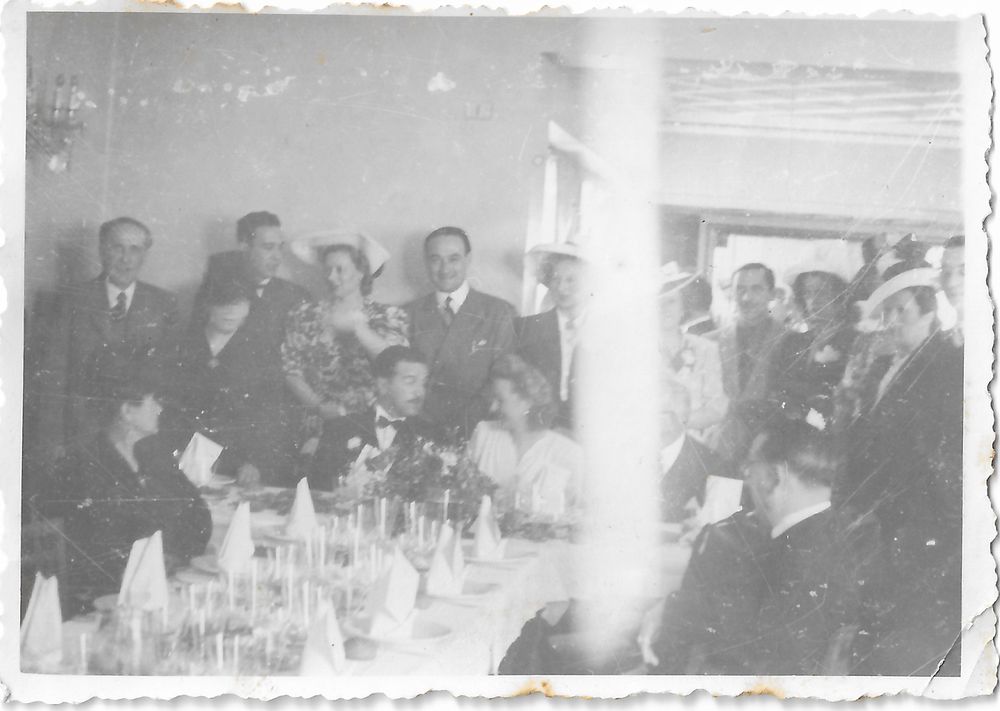
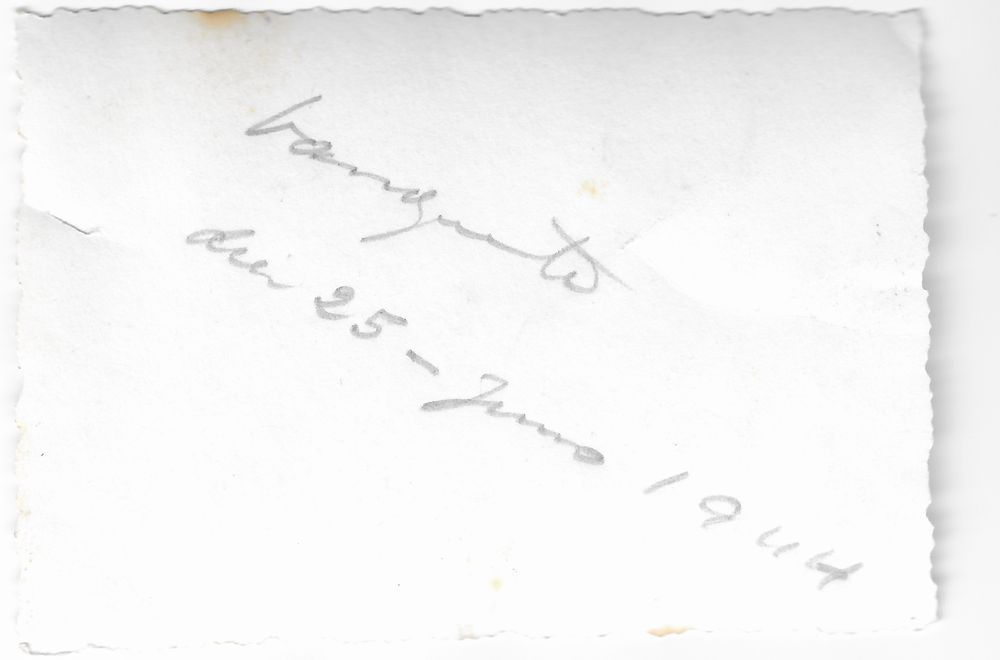
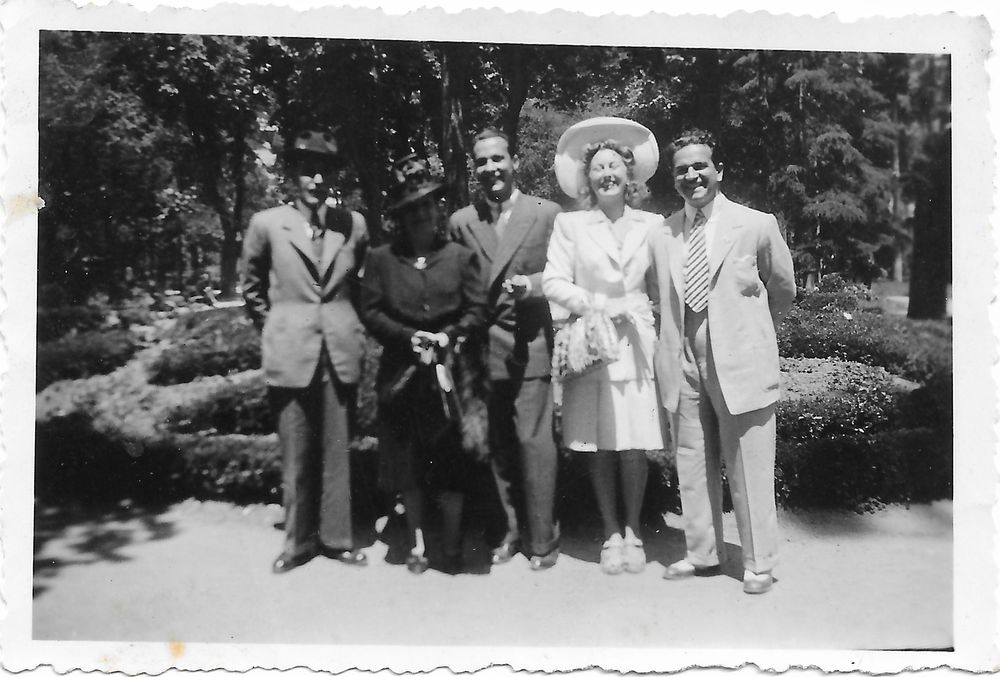
it ends on the 25th of june at a wedding.
the sentence
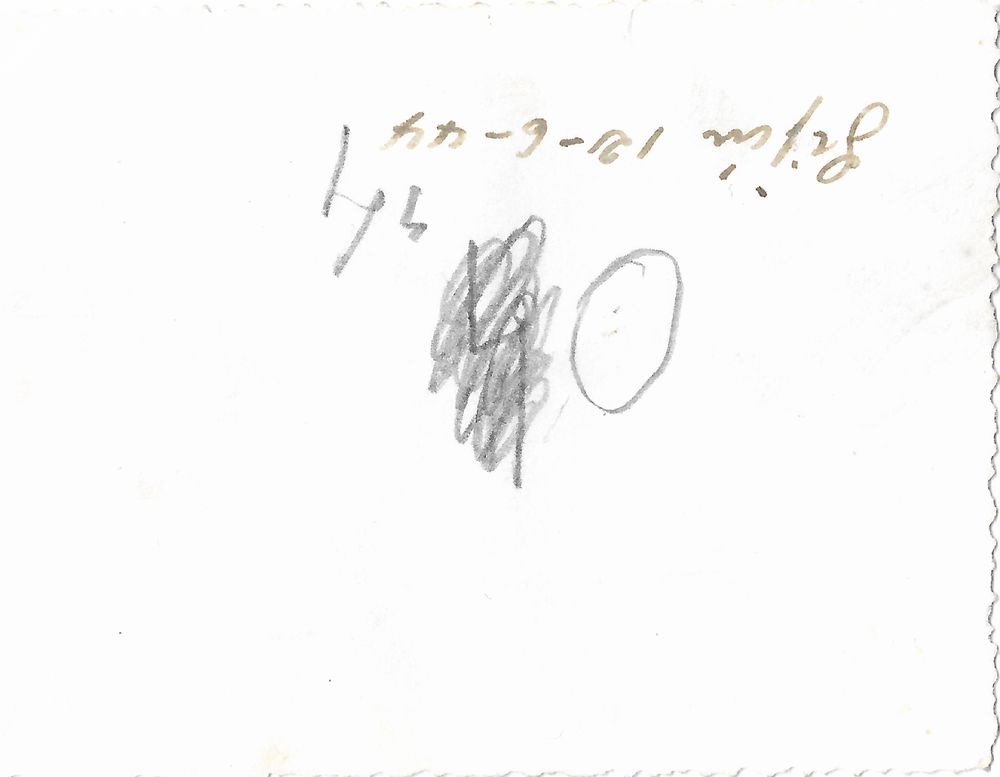
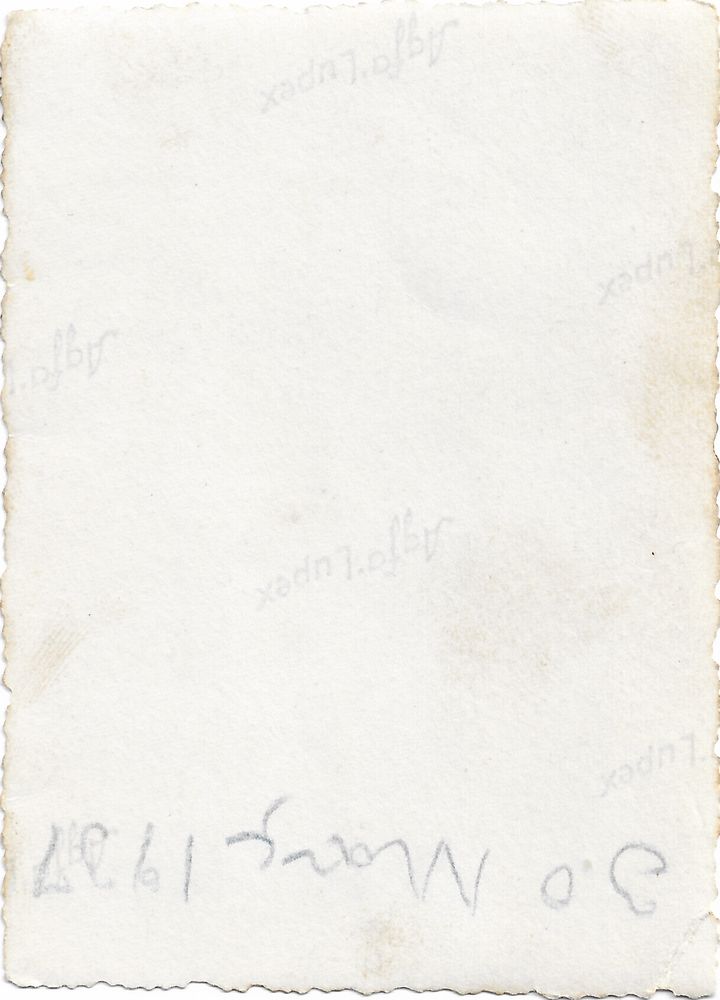
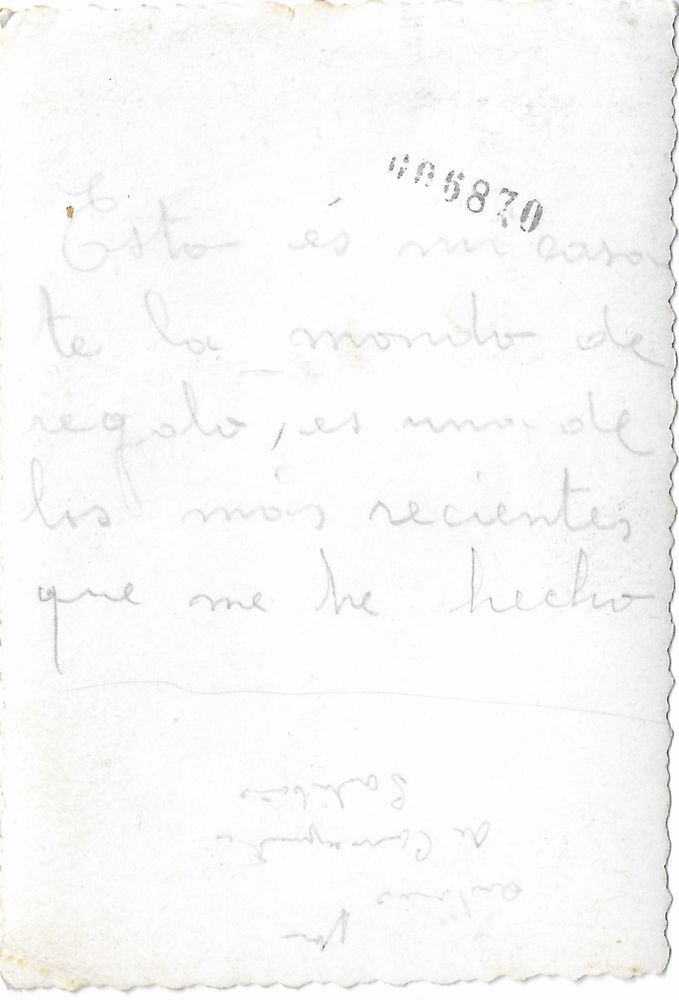
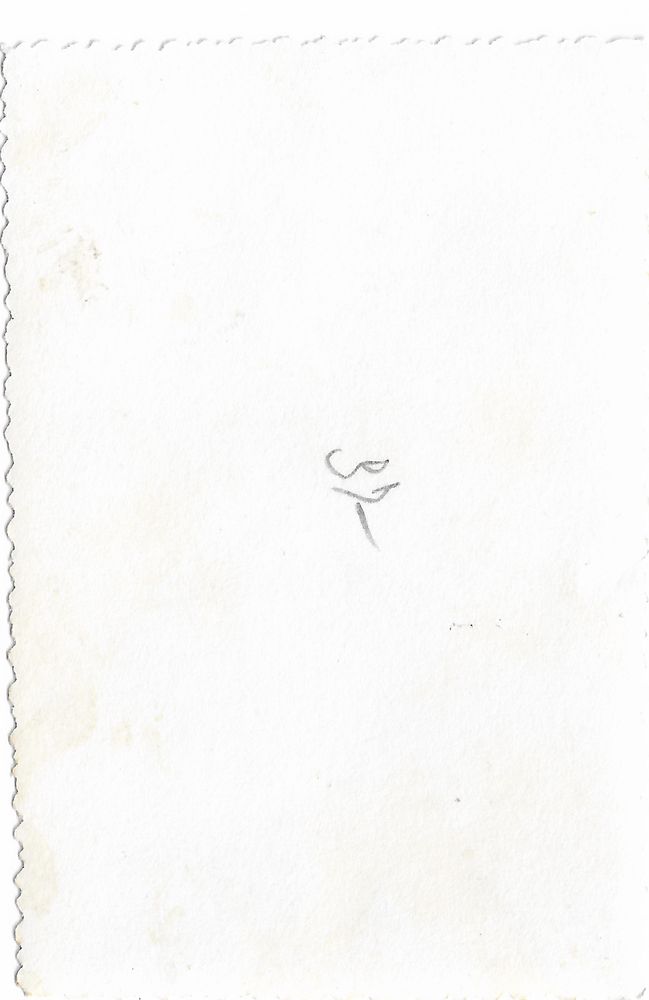
then we turn over 072 and it isn't a caption.
esta es mi casa, te la mando de regalo, es una de las más recientes que me he hecho.
this is my house, i'm sending it to you as a gift, it's one of the most recent ones i've had taken of myself.
and the thing i thought i had — a woman's photo album — stops being that. she's not keeping these. she's sending them. someone at the other end was collecting them, and the stack inbal bought at the encants is what arrived, not what she kept.
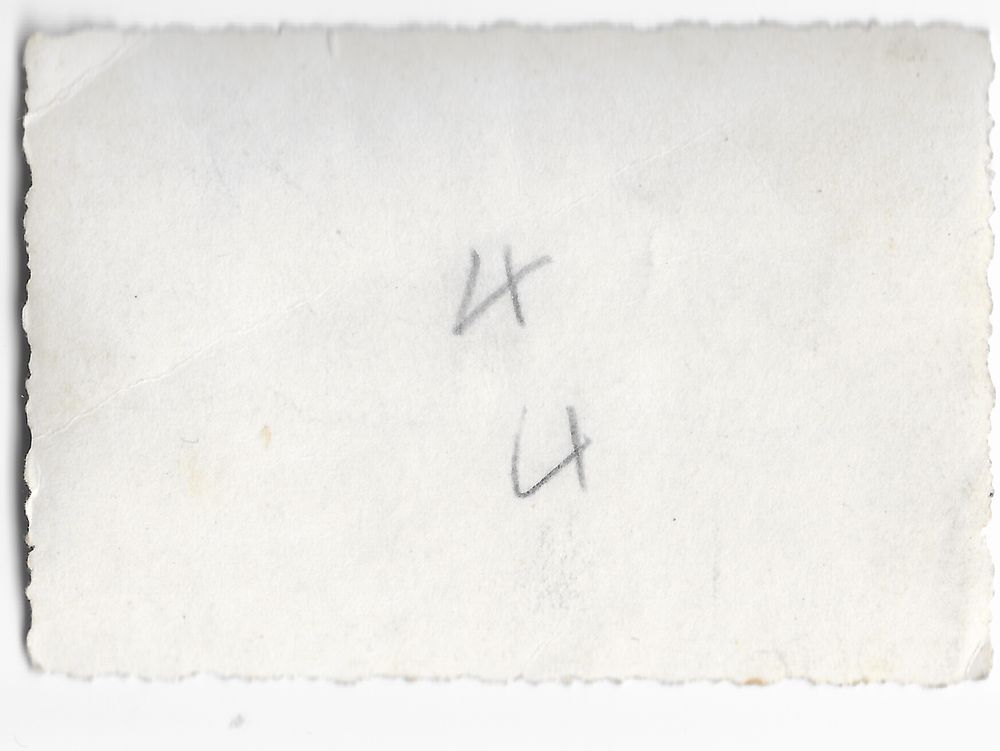
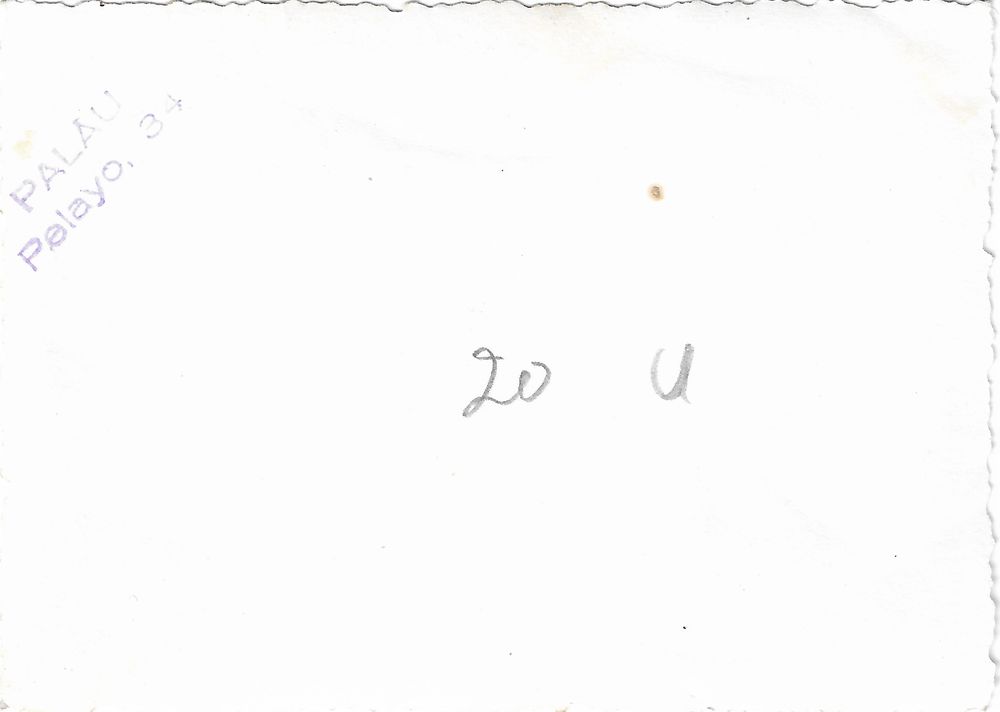
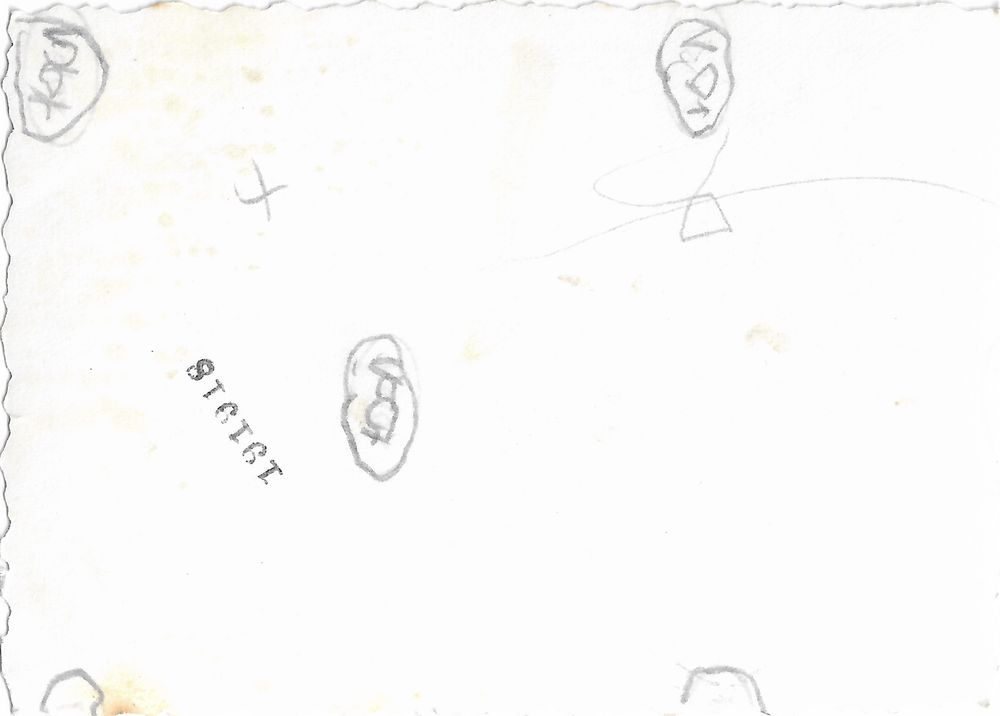
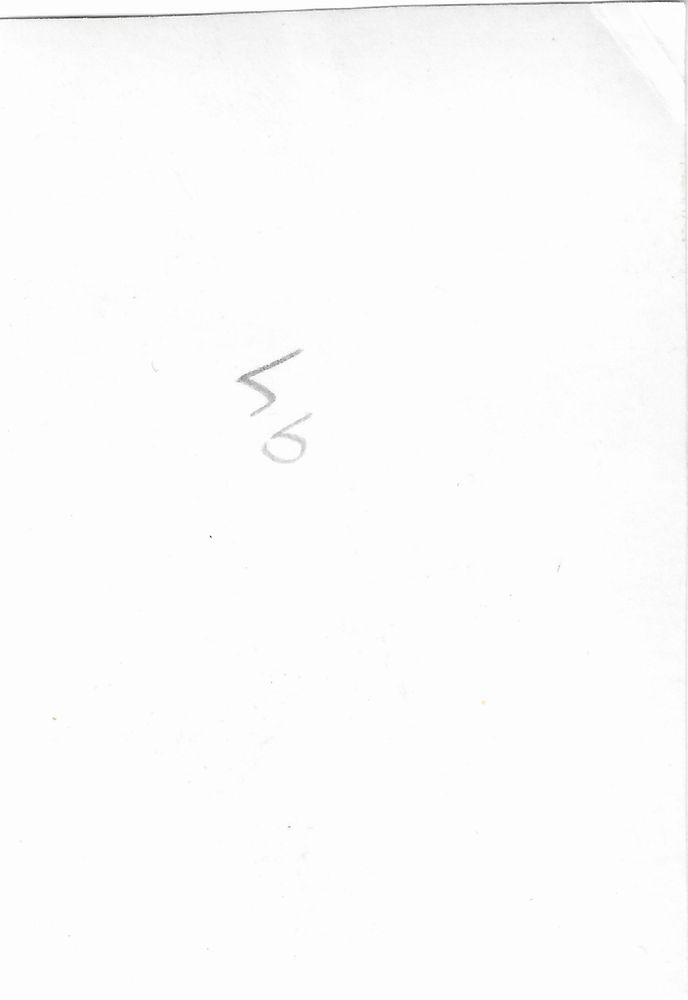
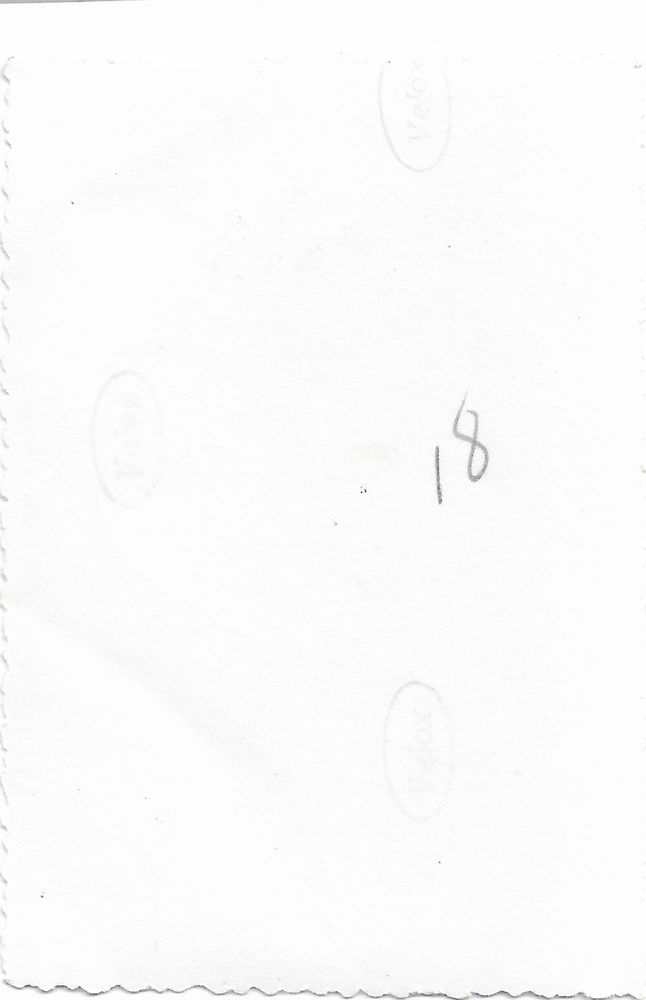
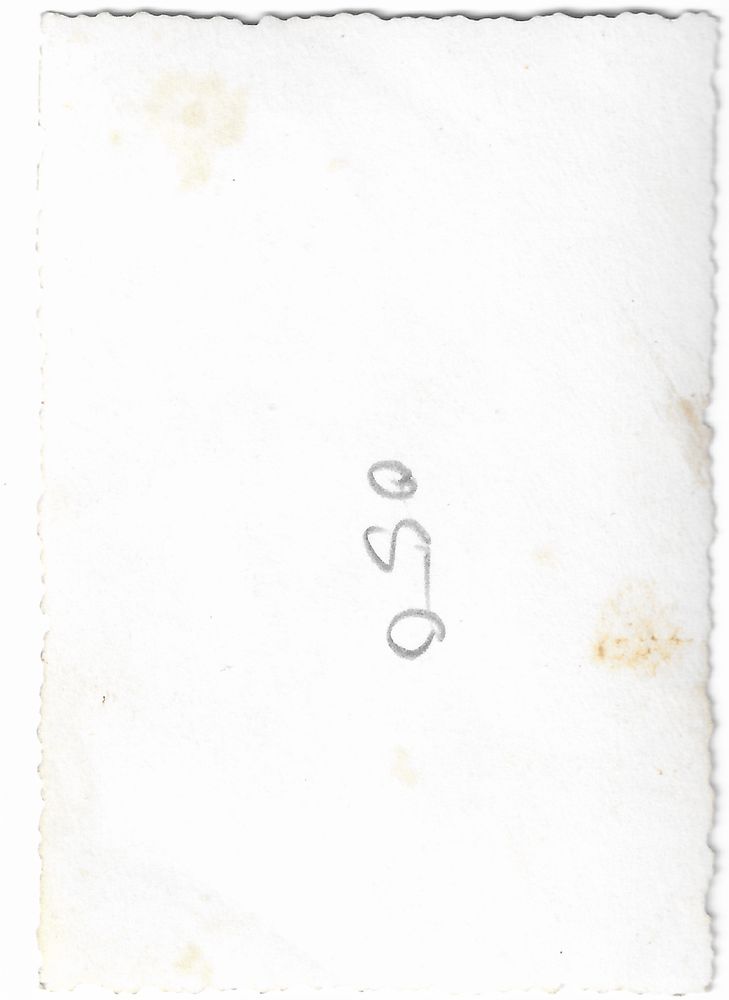
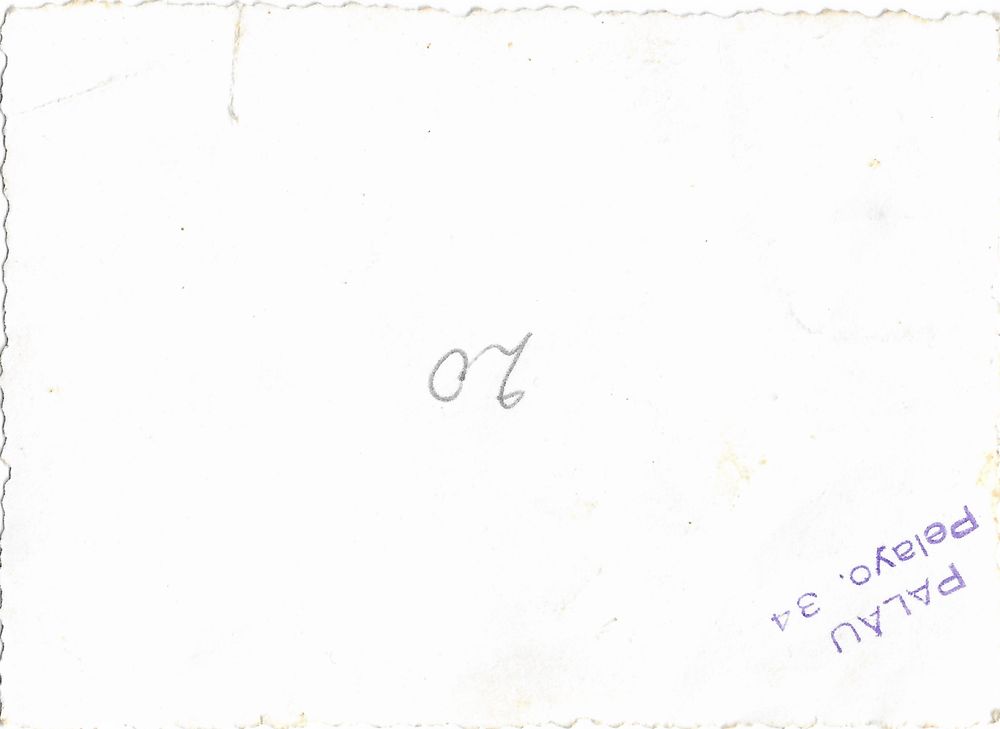
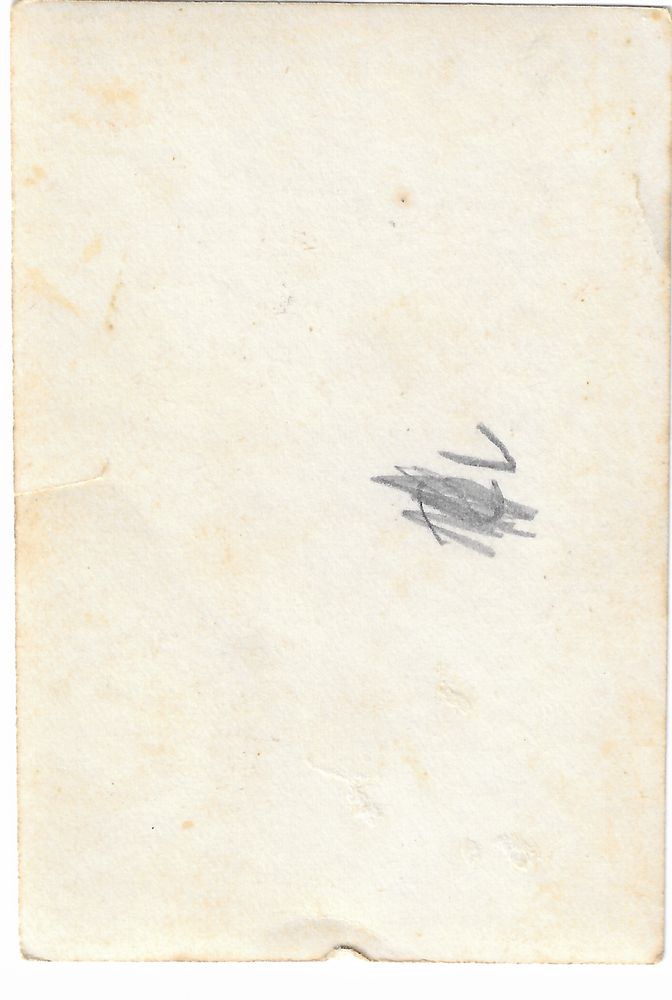
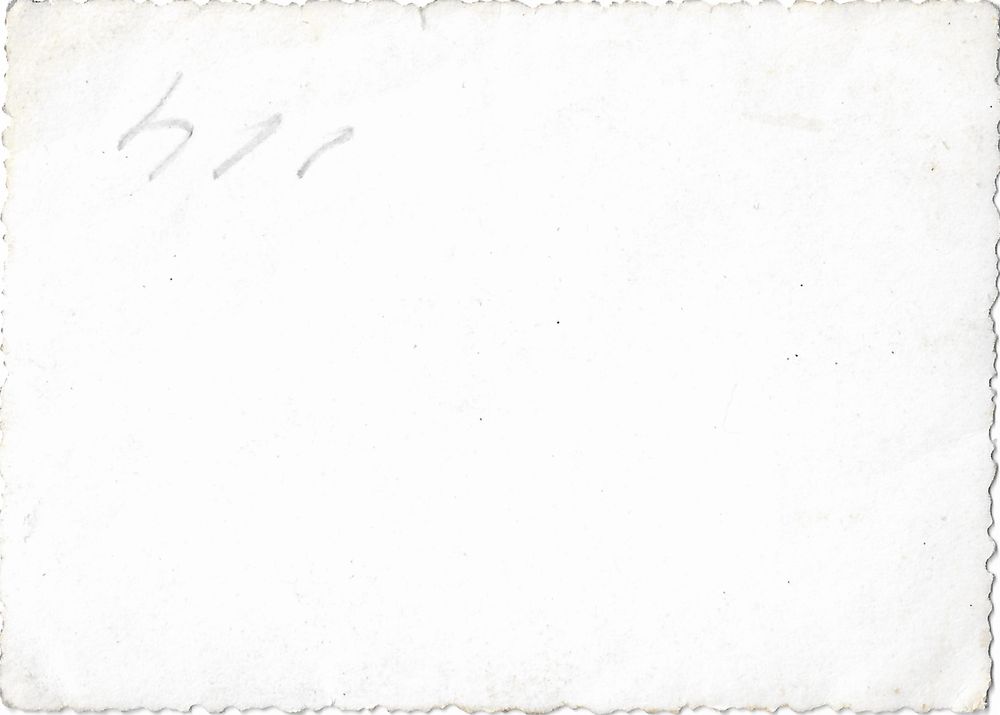
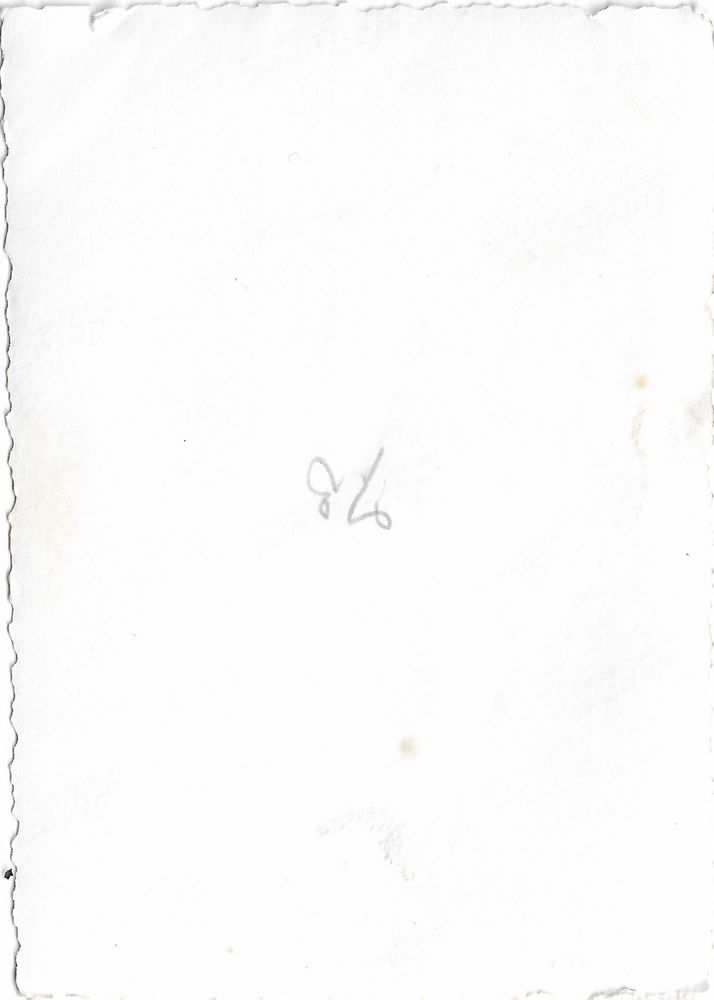
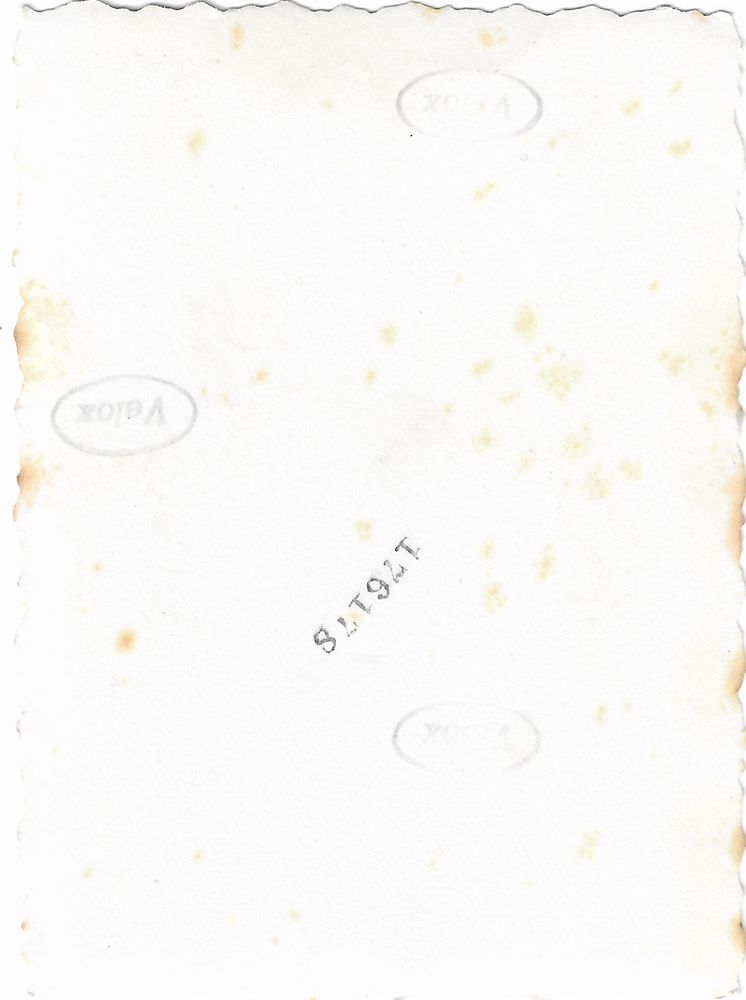
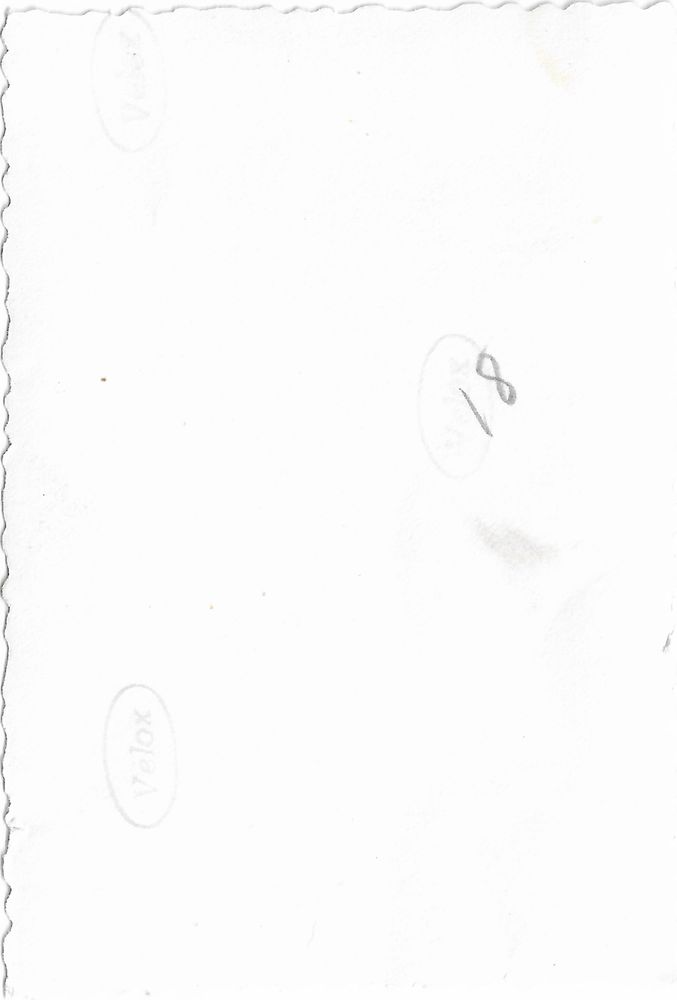
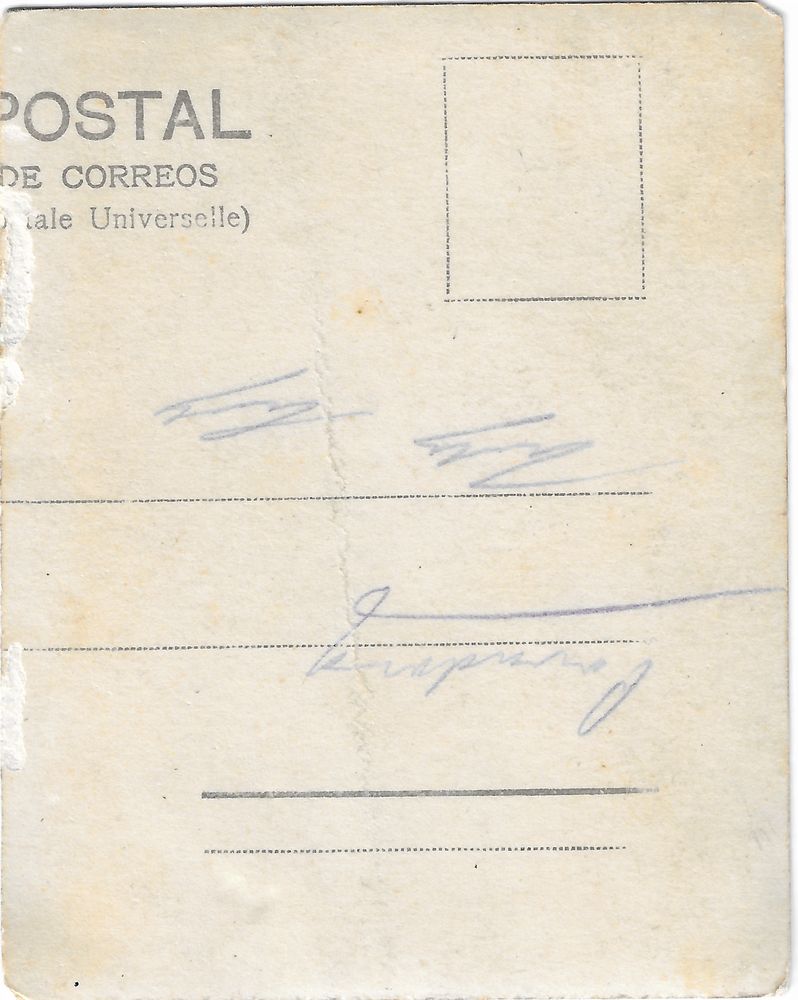
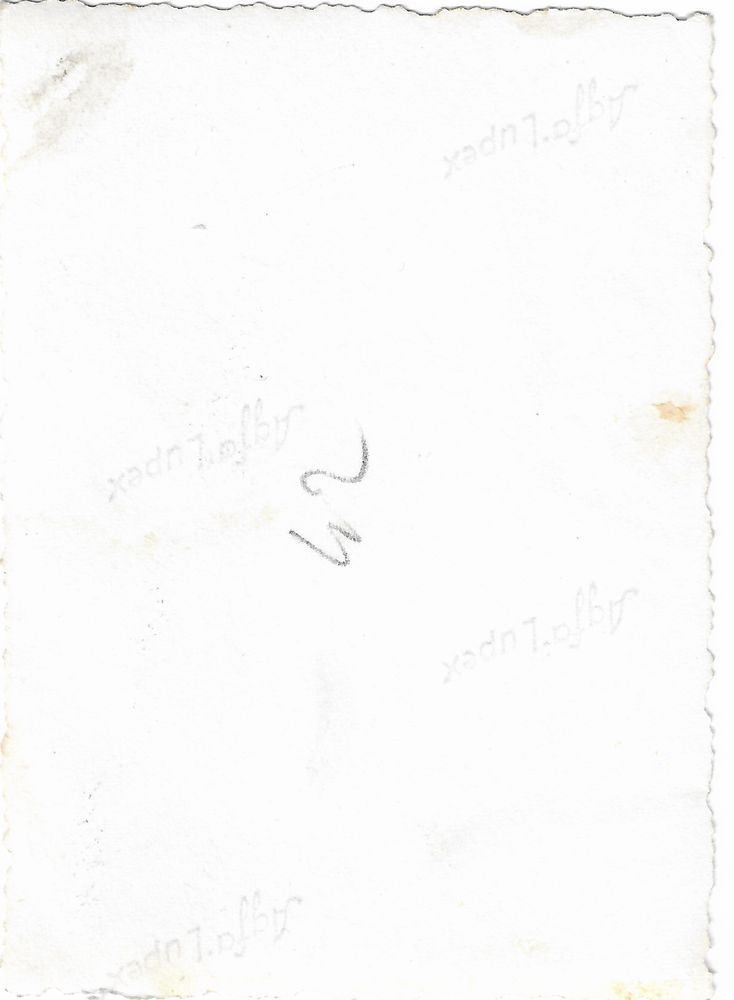
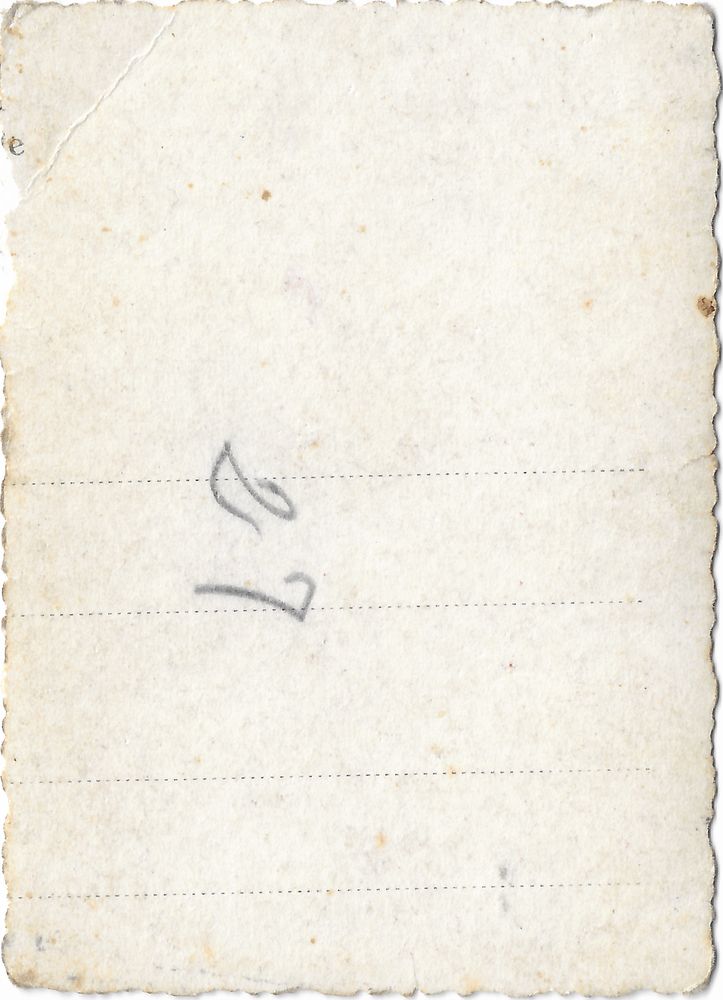
which also explains the pencil numbers on the backs. i'd been hoping they were the album order, the one thing we lost when the prints came out. they're not — they repeat, 4 and 10 and 20 over and over. and one of them says it plainly: 20 U. twenty unidades. they're reprint orders. she's counting how many copies of each to send.
looking for her name
so now i want her name.
underneath the letter on 072 there's a name and a town. antonio de camprubí, somewhere beginning with sa. that's who she's writing to.
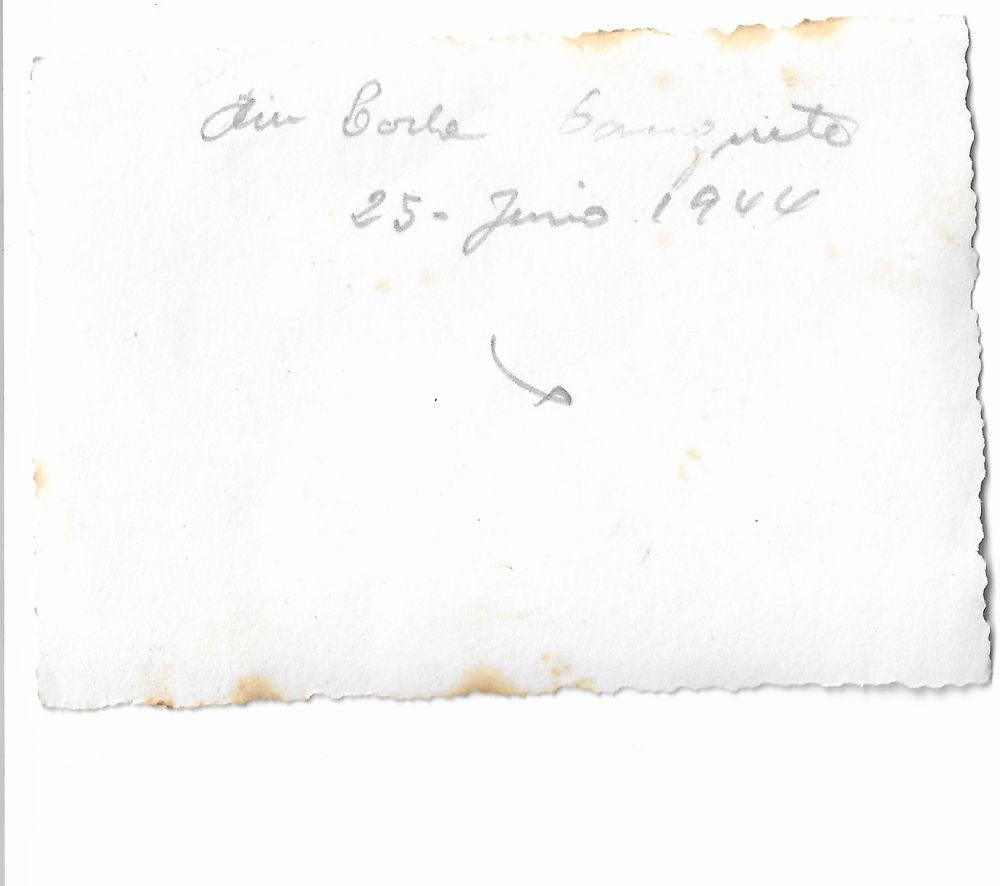
on 005, a bride: enriqueta, 25 june 1944 — the wedding the whole journey ends at.
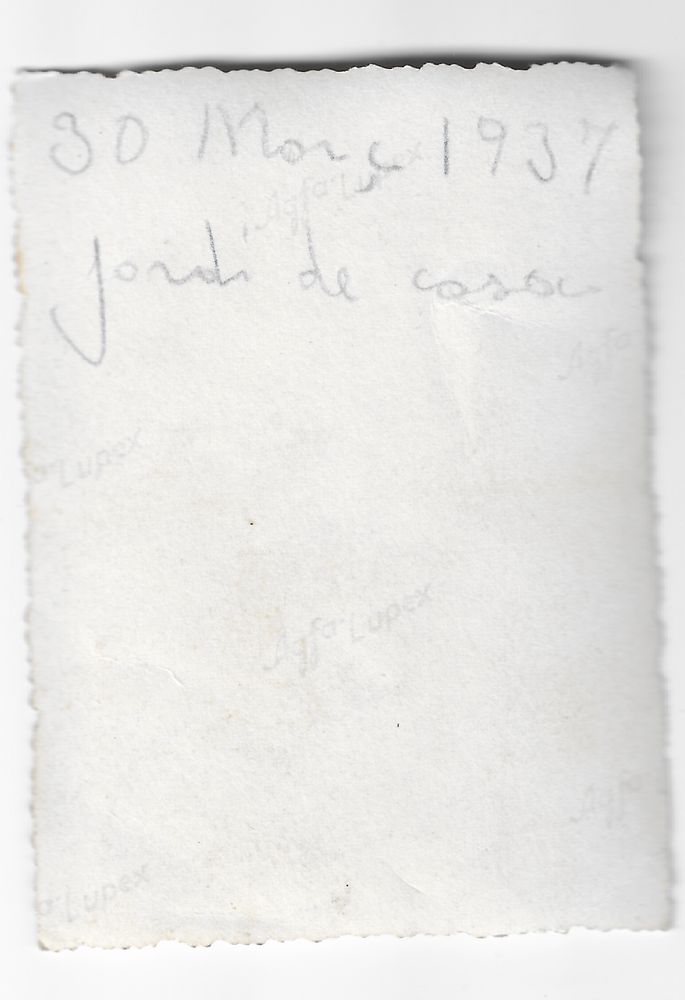
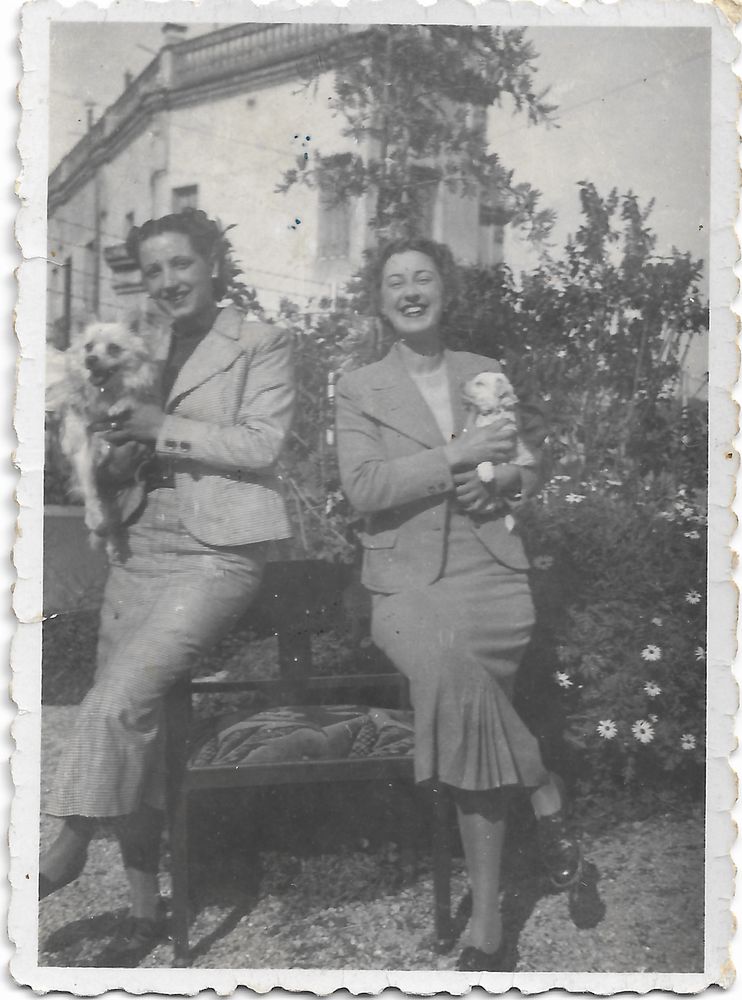
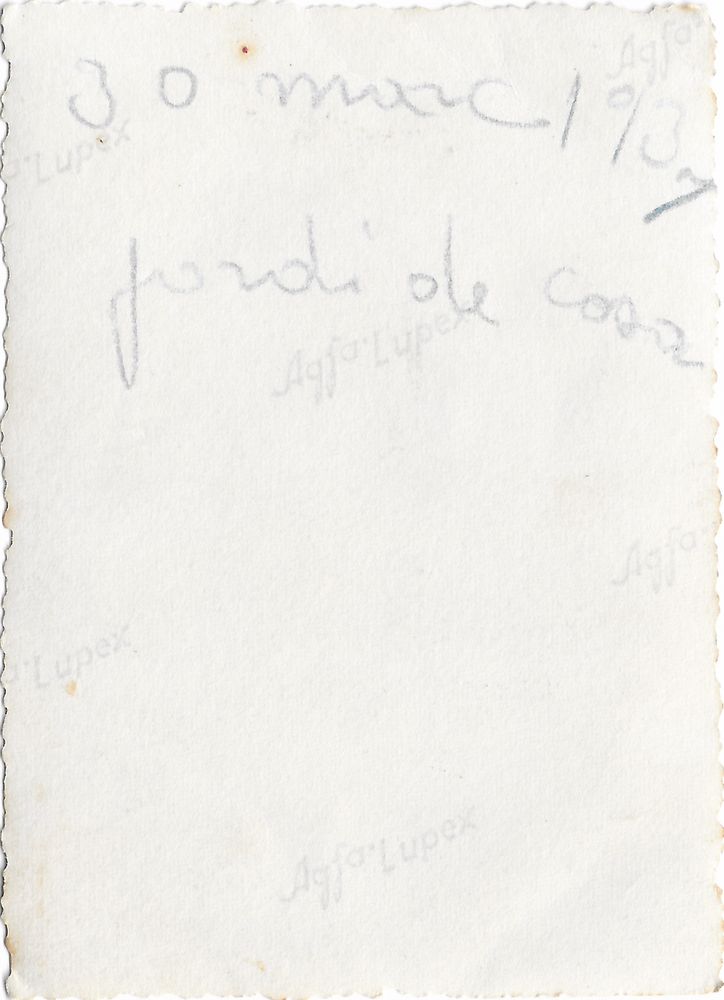
on 038, march 1937: jordi de casa. our jordi.
everyone's name is here except hers. i go back through all seventy-six inscriptions to be sure. places, dates, other people, a whole sentence written to a man — and she never signs. not once.
i keep thinking that's an accident until it's seventy-six for seventy-six, and then it's not an accident, it's a habit. she's the one holding the camera and the pencil and she stays out of it.
the mistakes
worth writing down that we got things wrong the whole way.
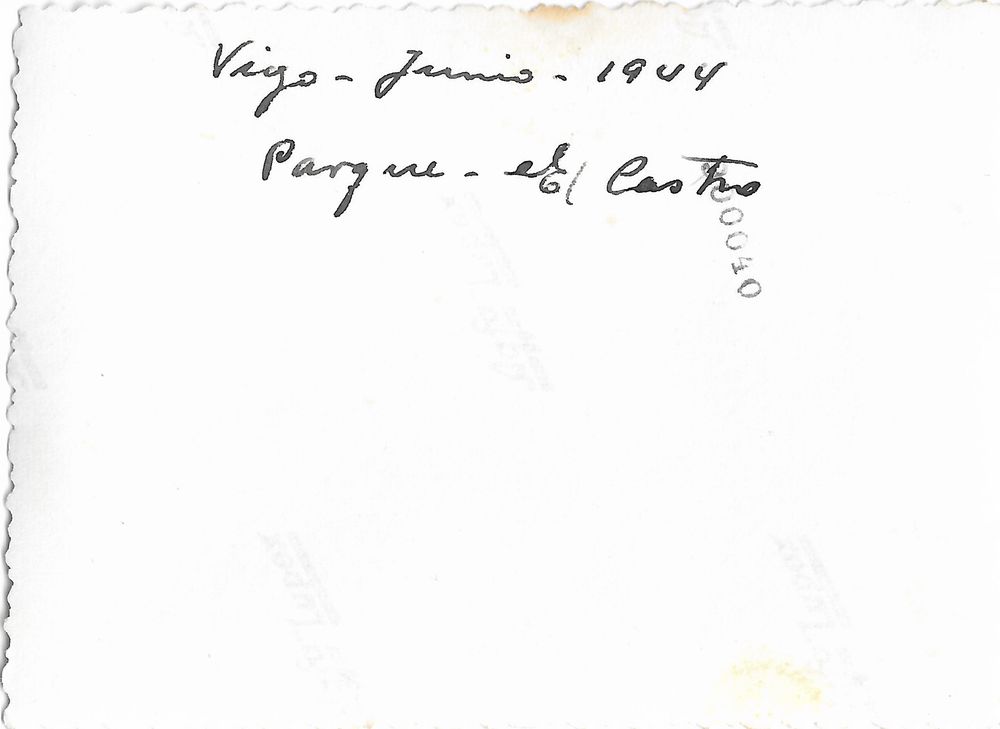
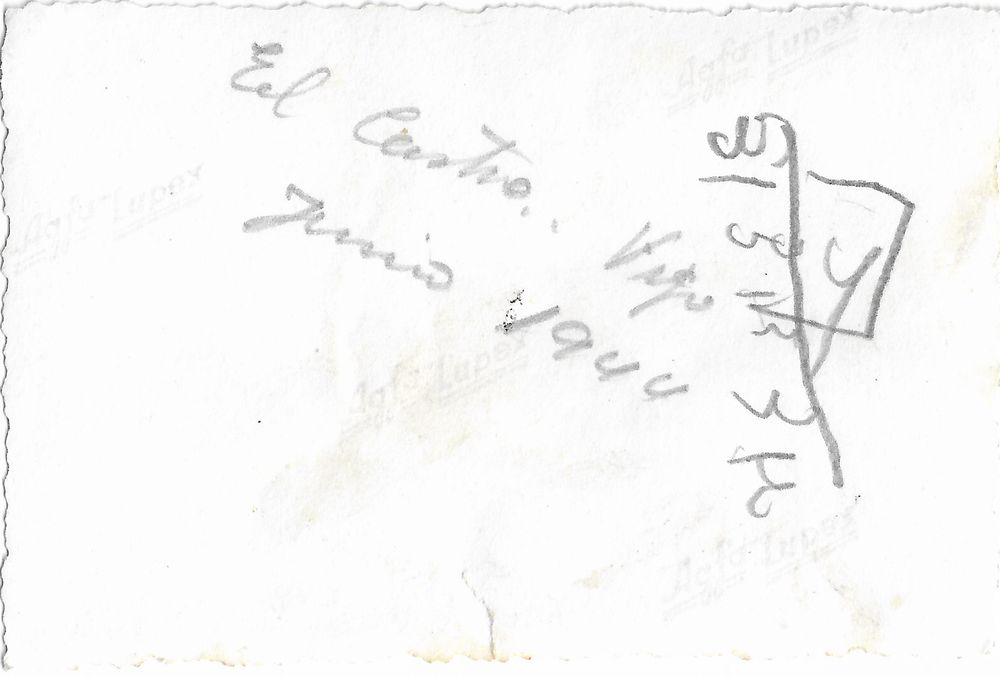
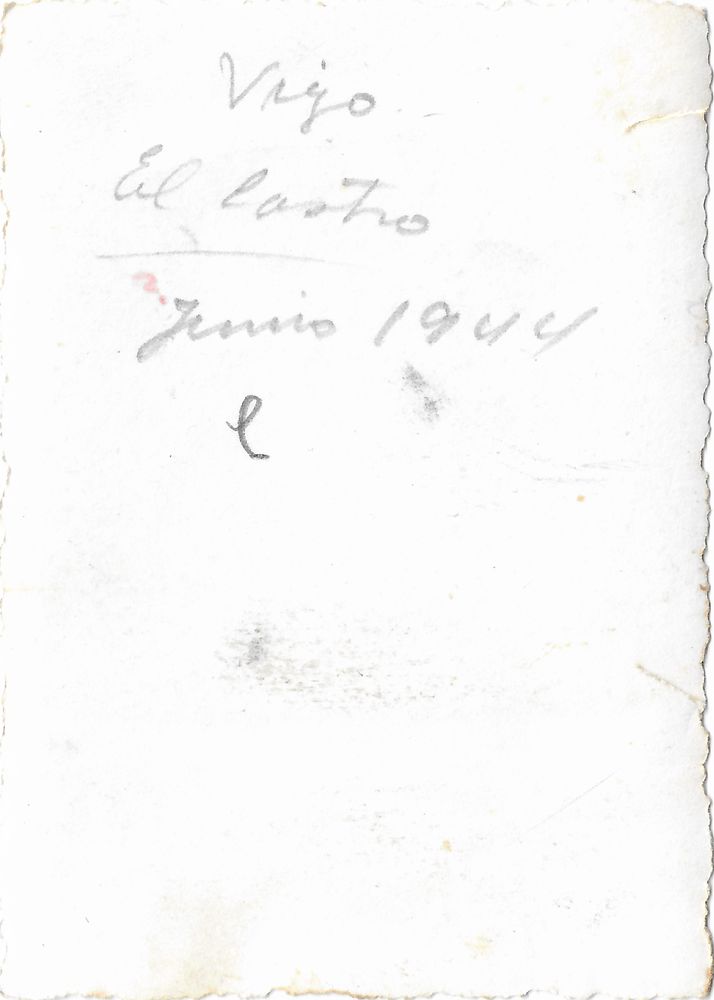
i read sitges where it says gijón. valadares in galicia where it says vallvidrera, which is the hill above barcelona — so a house i'd put five hundred kilometres away was twenty minutes from her. el sardinero in santander where it says el castro in vigo, and i'd already "corrected" it once, wrongly, and been confident about it.
and the big one: i said most of these prints had straight cut edges, and used that to give up on matching fronts to backs by their outline. then we measured all hundred and six instead of looking at one sheet, and seventy-seven of them are deckle.
every single mistake is the same mistake. look at one, decide about all. the fix was always to measure the whole set.
where it leaves us
we have her life in order and we don't have her name.
we know what she wore, what she photographed, what she found worth a caption. we know she wrote catalan until 1939 and spanish after, which is not a preference, that's a regime. we know she travelled the north of spain for five weeks in the middle of a world war and posed at every balustrade. we know she had two small white dogs for years. we know she sent herself to someone in an envelope.
and the whole reason we know any of it is that she wrote on the back.
findings
what the process turned up. added as it comes.
what exists
106 photographs, front and reverse each. 212 files, 600dpi, lossless, no tonal change. the 36 original sheets are kept in scans/, untouched.
the backs were never lost
on a white card the fronts separate easily — dark photograph, bright ground. the reverses are white paper on white card, and for a while only 5 of 106 could be found.
they were always there. the discriminator isn't brightness, it's texture. the card is optically smooth, local deviation 0.06. photographic paper has grain, 0.6 to 1.7. a twenty-fold gap hiding under a two-level brightness difference. changing what was measured recovered all of them.
why a print can't be matched to its own back
the plan was to fingerprint each print by its deckle edge, since an outline is identical on both sides, mirrored. it failed twice and the failure taught us something.
front-to-back distance averaged 0.210. distance between two completely unrelated prints averaged 0.216. identical. no signal at all.
the reason is physical: most of these prints have straight guillotine-cut edges, not deckle. a straight cut is a plain rectangle, and dozens match each other to a fraction of a millimetre. there's nothing in the paper to recover.
so pairing falls back to position on the glass plus exact dimensions. of 105 pairings, 58 agree within 2mm and are solid, 27 sit between 2 and 5, and 20 are above 5 and are guesses. the weak ones cluster on sheets 01, 07 and 08. the number is in data.csv for every row. trust the number, not the filename.
the thing that would have made it free
flip each print in place and leave it in its cell, and position alone pairs everything with no inference. seven of eighteen sheets show exactly that and pair cleanly. for the second album: flip in place, don't restack.
damage
- 002 and 029 hung over the edge of the glass. a strip of each was never captured. rescan to make them whole.
- 039's reverse was welded to its neighbour in every automatic attempt and was cut by hand.
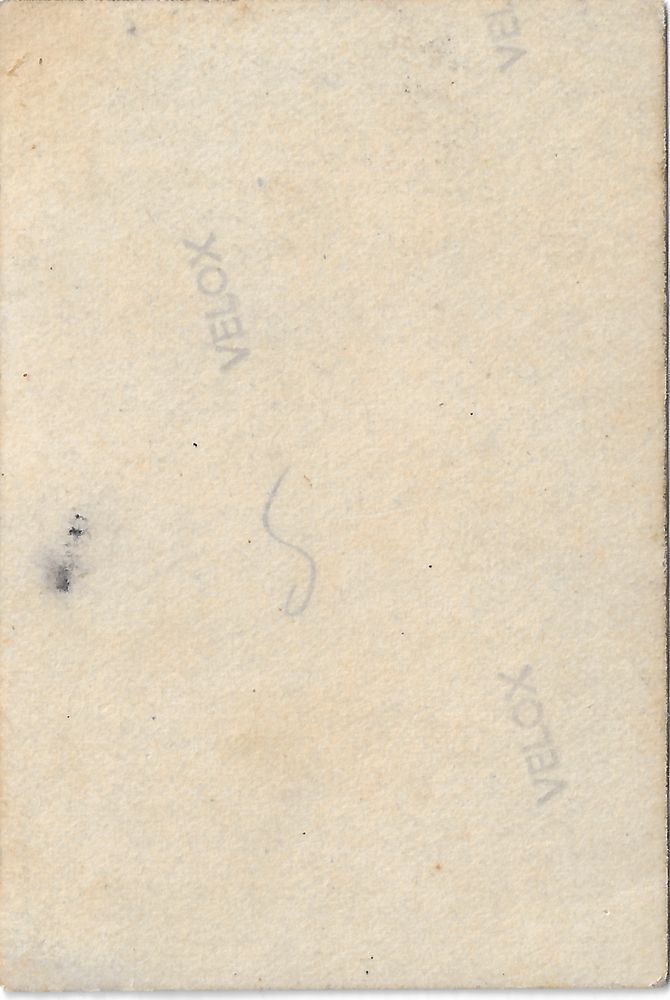
- blank reverses have no up. they follow the front's shape and may be 180° off. left rather than guessed.
what the backs say
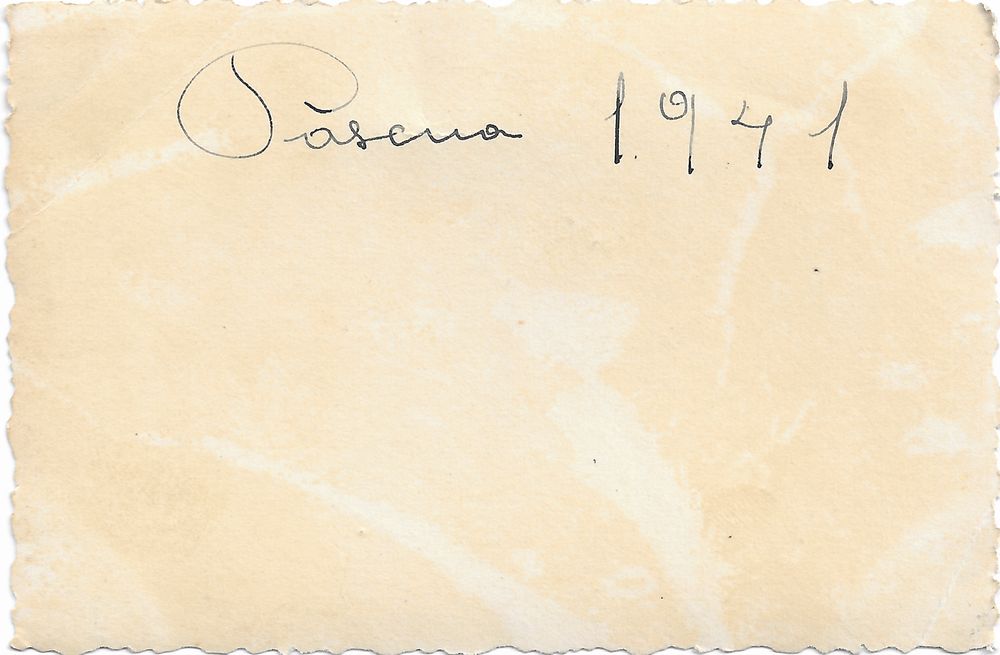
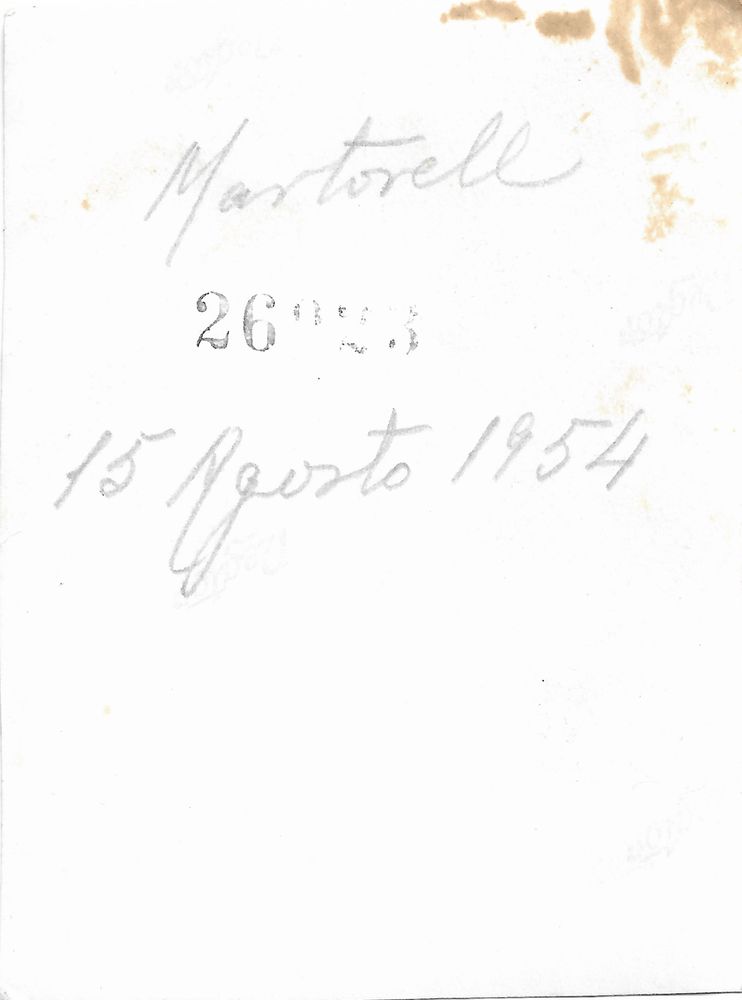
76 of the 106 reverses carry ink. all read. 53 are dated, 42 name a place.
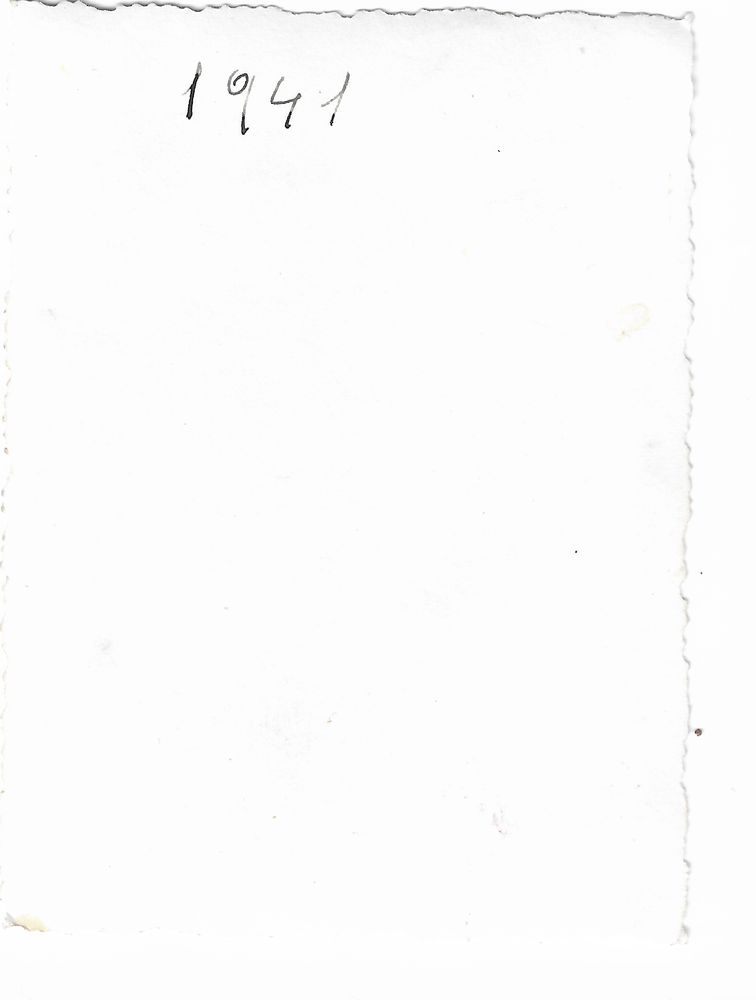
years found: 1930, 1932, 1934, 1935, 1936, 1937, 1939, 1941, 1944, 1946, 1954. one possible 1917, uncertain.
35 of the 53 dates fall in 1944, and they are not scattered — they are a journey.
| date | place |
|---|---|
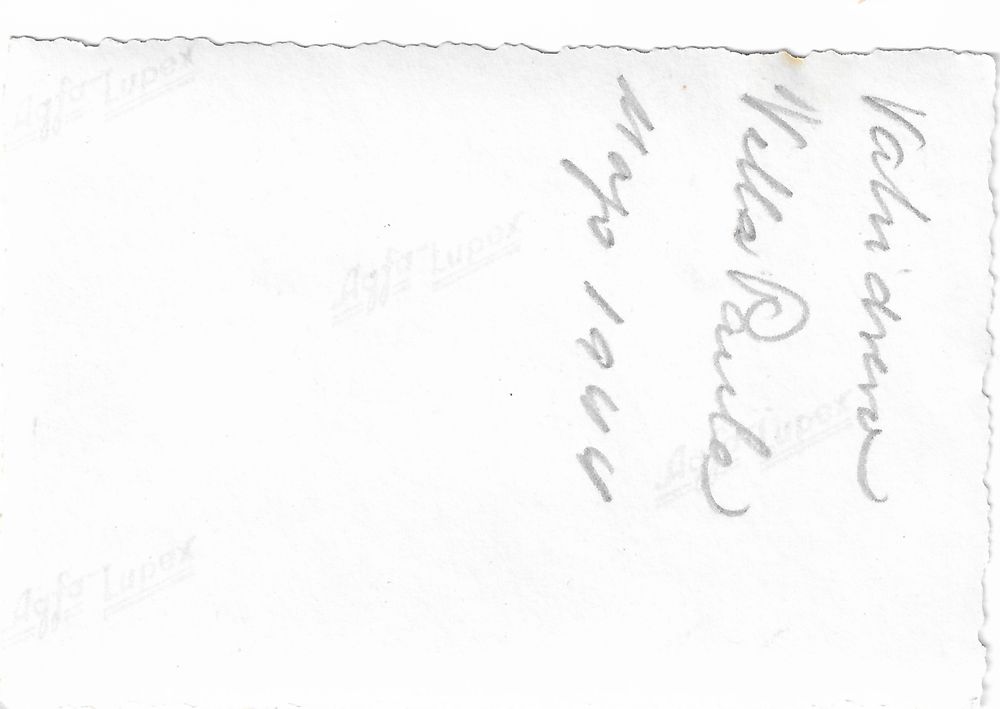
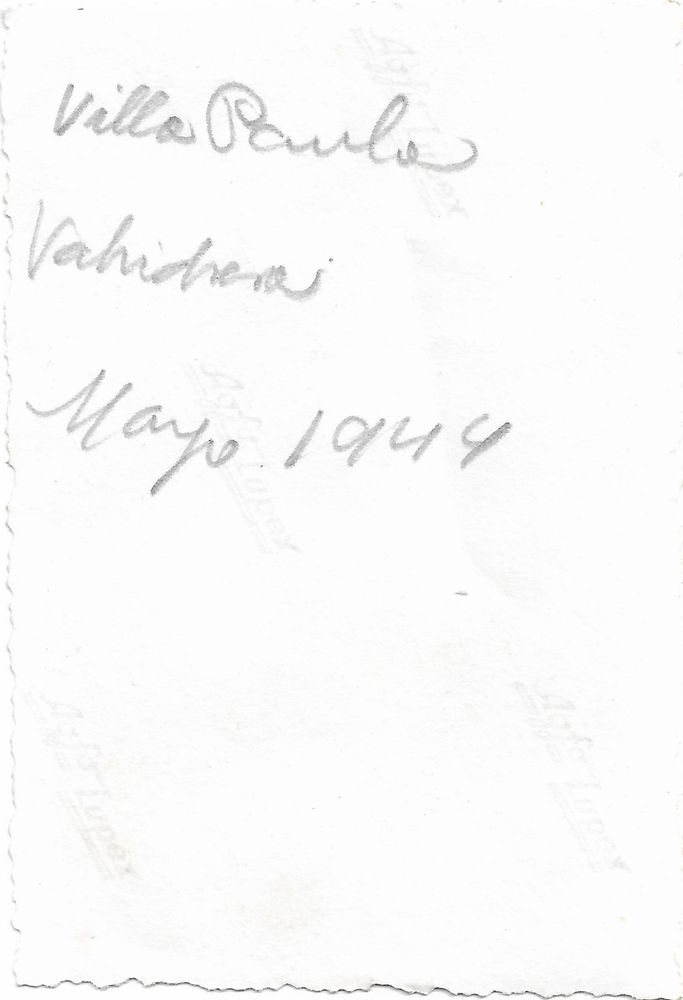
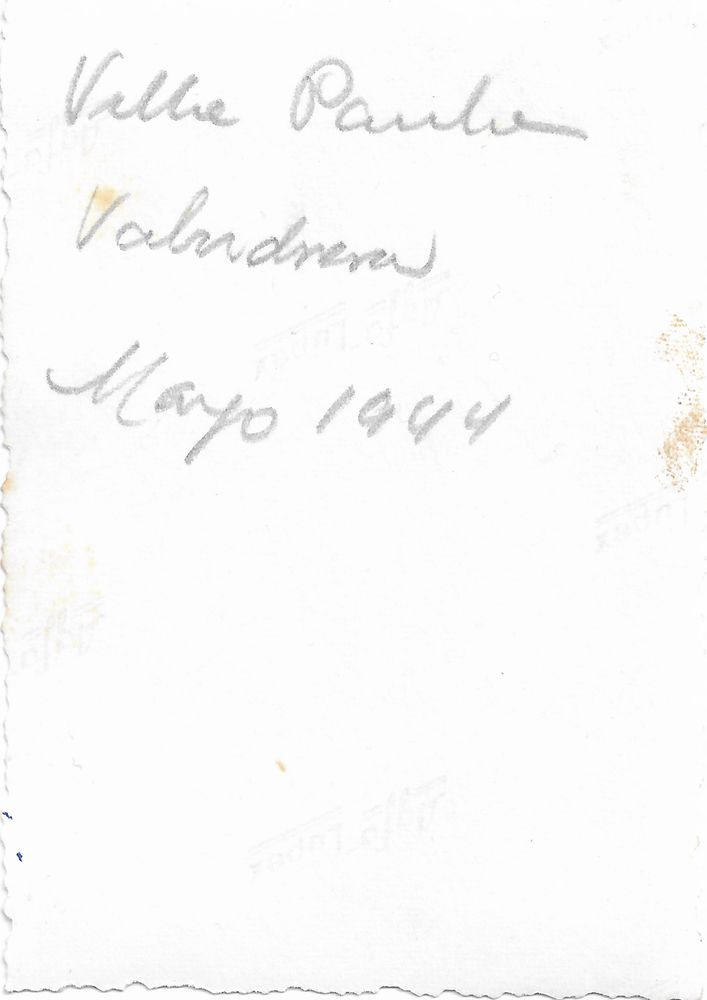
| may 1944 | vallvidrera - villa paula |
| 30 may | san sebastian, paseo de la concha |
| 31 may | san sebastian, aquarium |
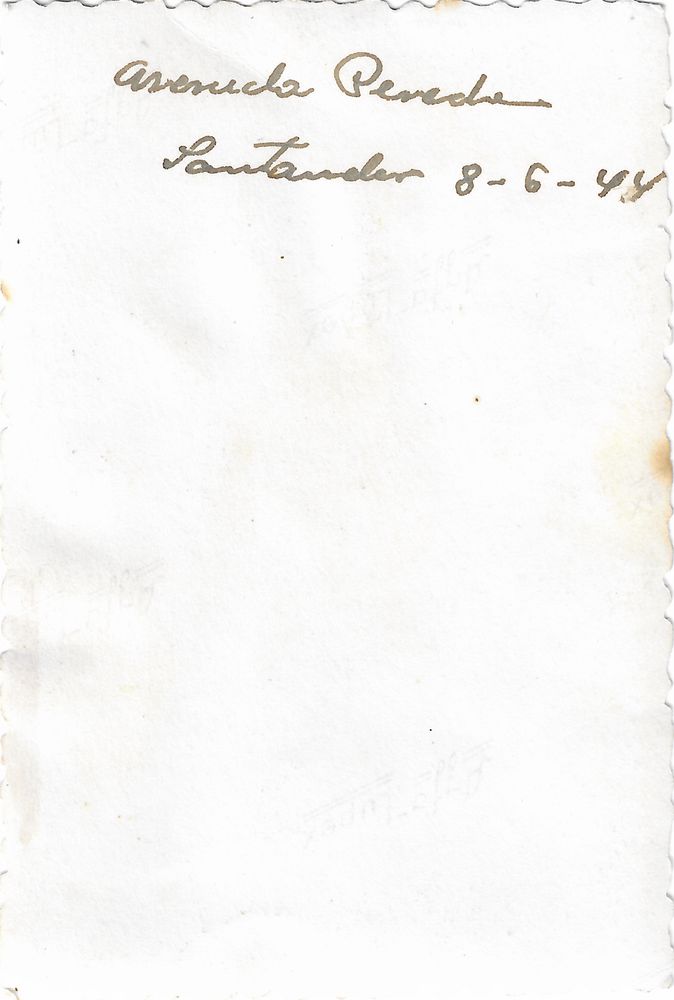
| 8 june | santander, avenida pereda |
| 10 june | santander, jardines del sardinero |
| 12 june | covadonga, hotel pelayo |
| 12 june | gijon |
| 13 june | santander, el sardinero |
| 16 june | covadonga, basilica |
| 16 june | oviedo, rosaleda and el caracol |
| 19 june | gijon |
| 19 june | santander, jardines del sardinero |
| 25 june | a wedding |
| june | aviles, a coruna, vigo, santiago, madrid |
san sebastian to galicia along the whole northern coast, five weeks, ending at a wedding. the 25 june wedding appears twice, on 005 and 040.
the sentence on 072
one reverse is not a caption. it is a letter.
esta es mi casa, te la mando de regalo, es una de las mas recientes que me he hecho
this is my house, i'm sending it to you as a gift, it's one of the most recent ones i've had taken of myself.
that changes what these are. some of these prints were sent — they were correspondence between two people, not pages of one person's album. the loose stack we bought may never have been a single album at all.
names
jordi — 038, "30 marc 1937 / jordi de casa". the only personal name found on any reverse. "de casa" means of the household. 089 uses the same word for the house itself: "el jardi de casa nueva", october 1935 — a family moving.
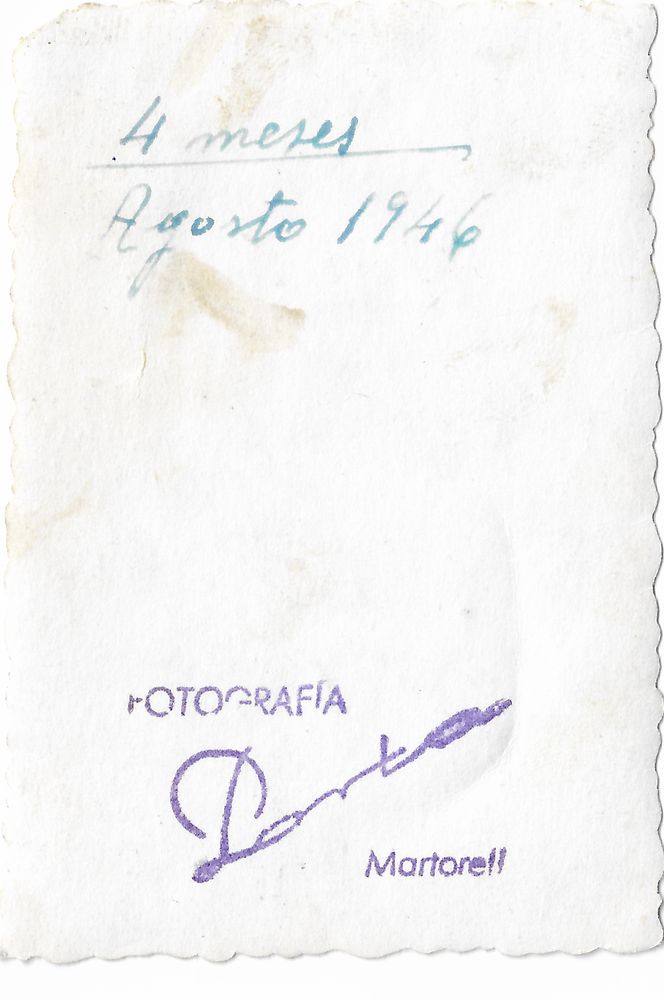
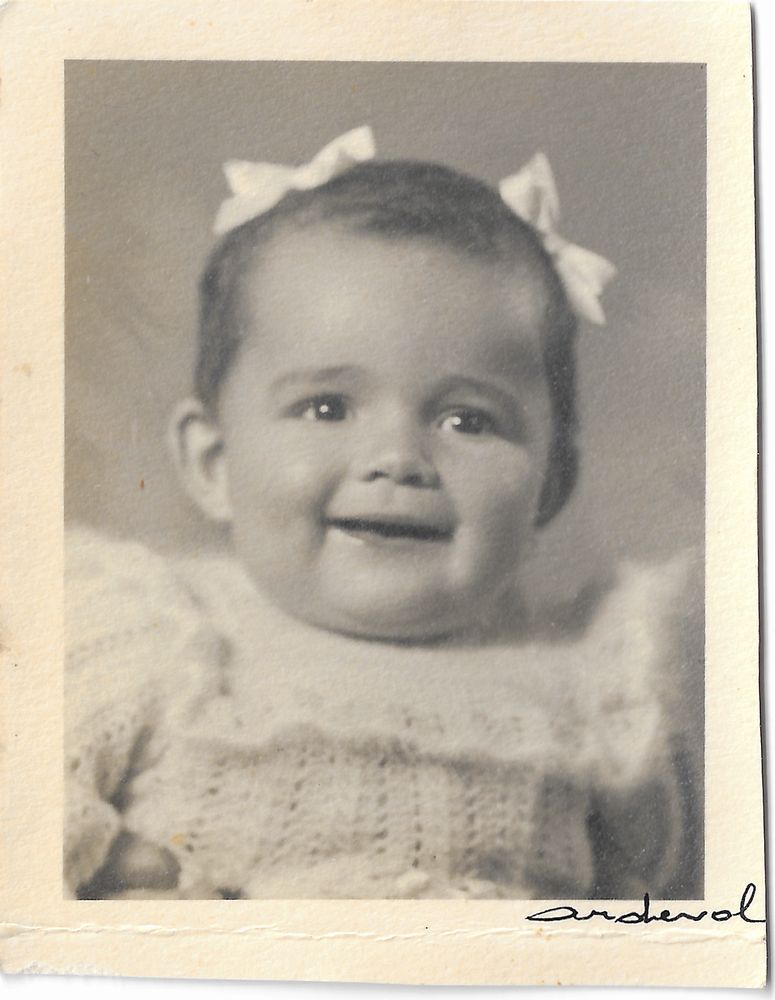
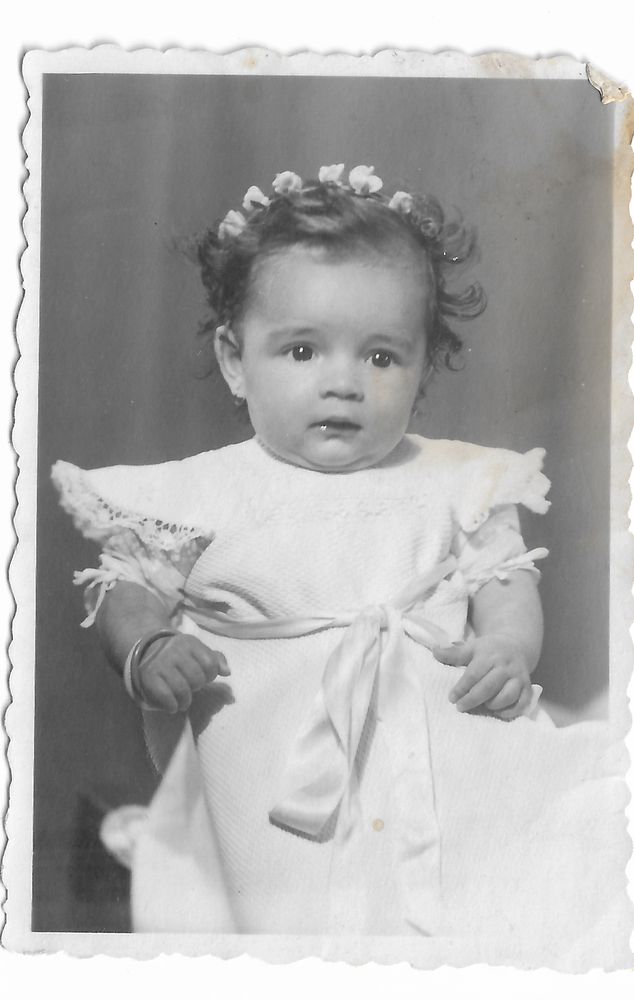
a baby — 103, a martorell studio portrait, "4 meses / agosto 1946". born around april 1946.
houses
villa paula, vallvidrera, may 1944 — three prints, 068, 092, 096, same hand. vallvidrera is the hillside above barcelona. (an earlier reading of these as "villa rosita, valadares" in galicia was wrong.)
the pencil numbers are not an album order
many backs carry a small pencil numeral. the hope was that they were the album sequence — the one thing destroyed when the prints were pulled out.
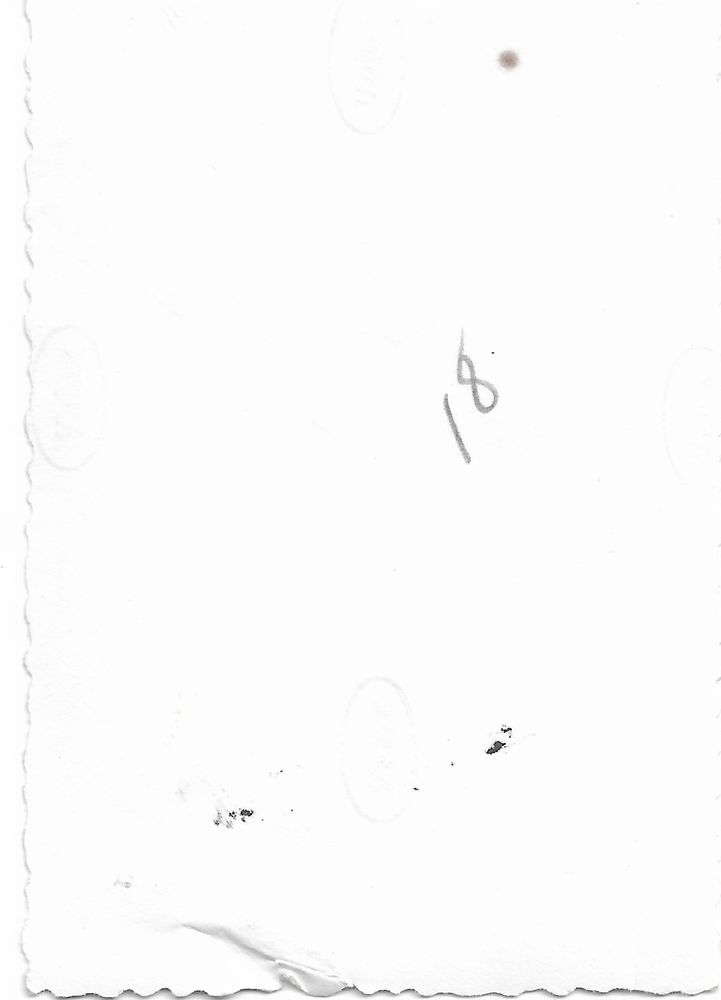
they are not. 35 recorded, and they repeat: 4 appears on 003, 004, 013, 020, 087; 10 on 002, 006; 18 on 054, 056; 20 on 007, 041, 044. no sequence survives that.
what they are is stated outright on 007: "20 U" — twenty unidades. these are reprint quantities. 017 carries four separate numerals, 071 five. someone sat with these prints and wrote down how many copies of each to order.
that reframes them. the numbers don't say where a photo sat in an album, they say how many people it was going to. read against 072 — "te la mando de regalo" — the archive starts to look less like a private album and more like a distribution list.
edge type, measured
77 deckle, 21 straight, 8 too damaged to call, measured on every print as the deviation of its outline from a fitted rectangle. under 0.4mm is a guillotine cut, 0.4 to 3mm is a scalloped deckle, above 3mm is tearing or platen clipping rather than deckle.
this corrects an earlier claim in these notes. i wrote that most of these prints were straight-cut, on the evidence of one sheet. the opposite is true — three quarters are deckle-edged. which means the outline-fingerprint approach to pairing was abandoned on a false premise. it failed because the method destroyed the signal, not because the signal was absent.
edge type also gives an independent check on pairing: it is a property of the print, so a front and its reverse must agree. across 106 pairs only two genuinely disagree — 053 and 089 — and 089 has a 0.28mm size match, which is supposed to be solid. both are flagged.
paper and studios
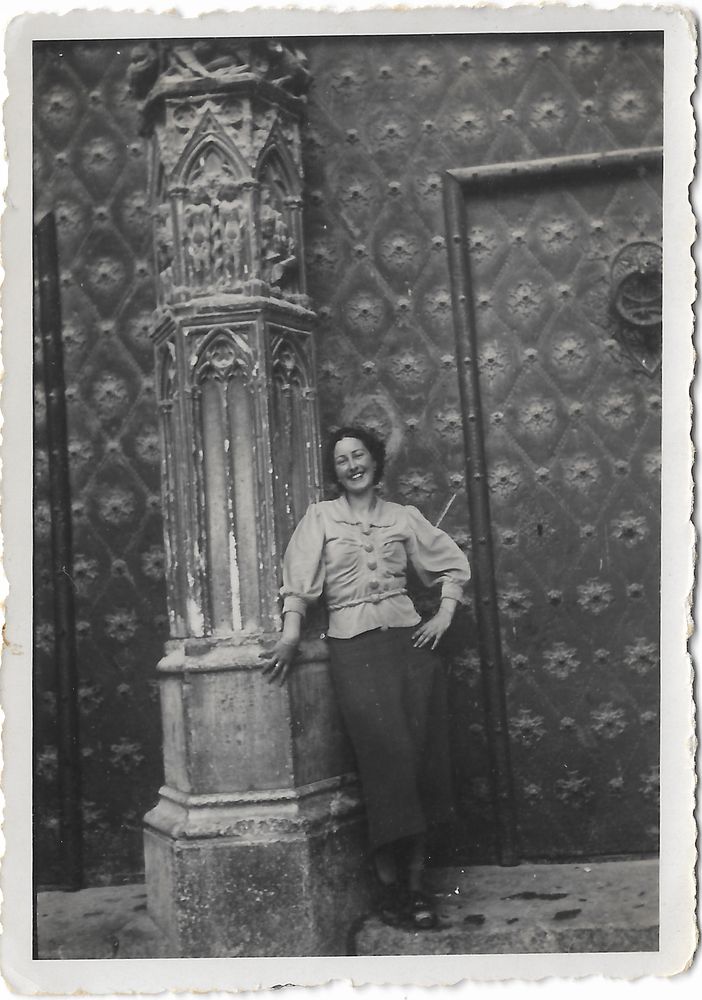
tarragona, 3 juny 1936 — the cathedral door, written in catalan. six weeks before the war began.
after 1939 the captions switch to spanish. before it, catalan: juny, marc, el jardi, un restaurant de soller 1930. the language on the backs turns over with the regime.
text inside the photographs — a dead end, and why
the last unmined seam was writing in the frames: shopfronts, street signs, monuments, posters. 106 photographs of spain in the thirties and forties.
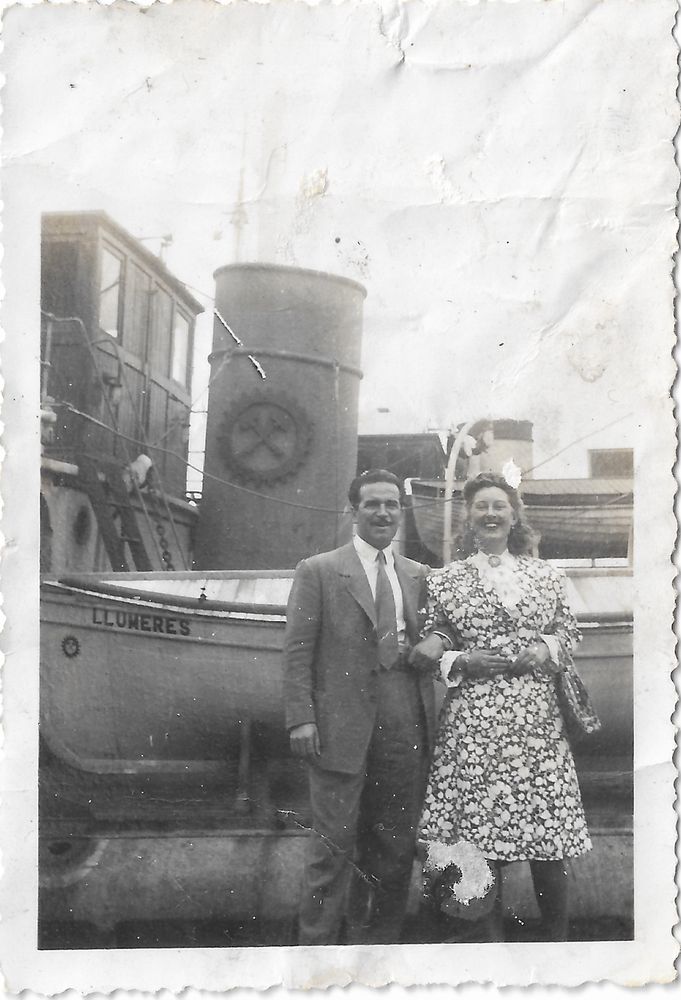
it yields one word. LLUMERES, on the bow of the boat in 003 — a name that independently places that frame in asturias, since llumeres is an iron-ore loading point on the coast near gozón, and the caption never said so.
everything else is past the resolution ceiling. the monument in 094 carries a mounted notice: you can see it has a header line and a body, and not one letter resolves. the cathedral door in 082, the shop sign at the edge of 048, the arcade in 067, the chalk on the school wall in 051 — all structure, no letters.
the limit is not the scanner. a 6×9cm print, of a subject several metres from a 1940s camera, simply does not carry that many line pairs. we scanned at 600dpi; the 1200dpi test showed six times more real spectral energy above 600's nyquist, so a targeted rescan of the three or four frames with the largest signage might just cross the threshold. for the rest, the information was never on the paper.
worth recording as a negative result so nobody runs this pass again expecting more.
places
canet de mar · sitges · tarragona · llafranc · martorell · vallvidrera · barcelona · soller · san sebastian · santander · covadonga · gijon · oviedo · aviles · a coruna · vigo · santiago · madrid
people
three names exist in this archive. none of them is hers.
enriqueta — read on 005: "[?] boda enriqueta / 25 - junio 1944". a bride. the five-week northern journey ends at this wedding. 040 photographs the same banquet and gives no name.
antonio de camprubi, of a catalan town beginning "sa—" — written on 072, underneath her letter, in the position an address goes. the surname reading is strong; the town is not. if it is an address, he is the person she was sending herself to.
jordi — read on 038, march 1937, "jordi de casa". of the household.
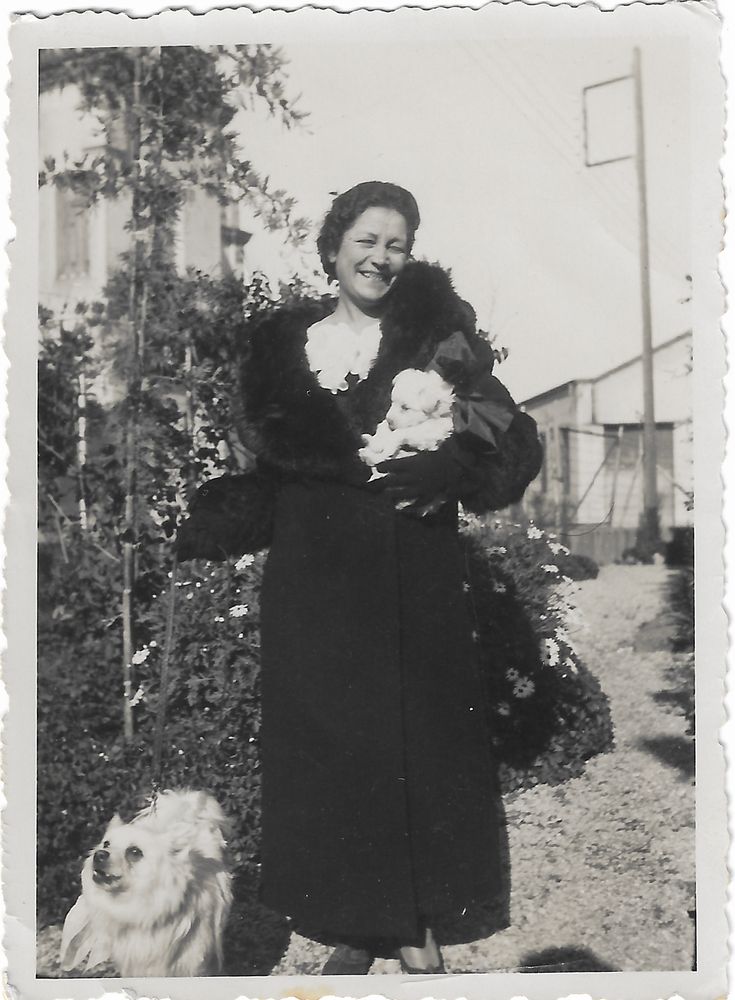
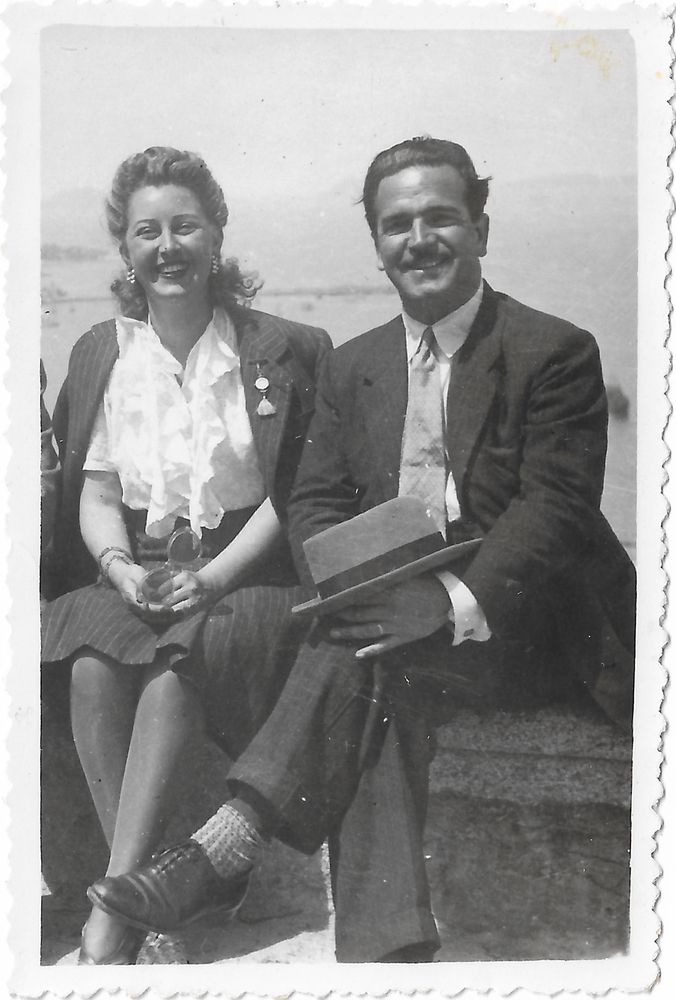
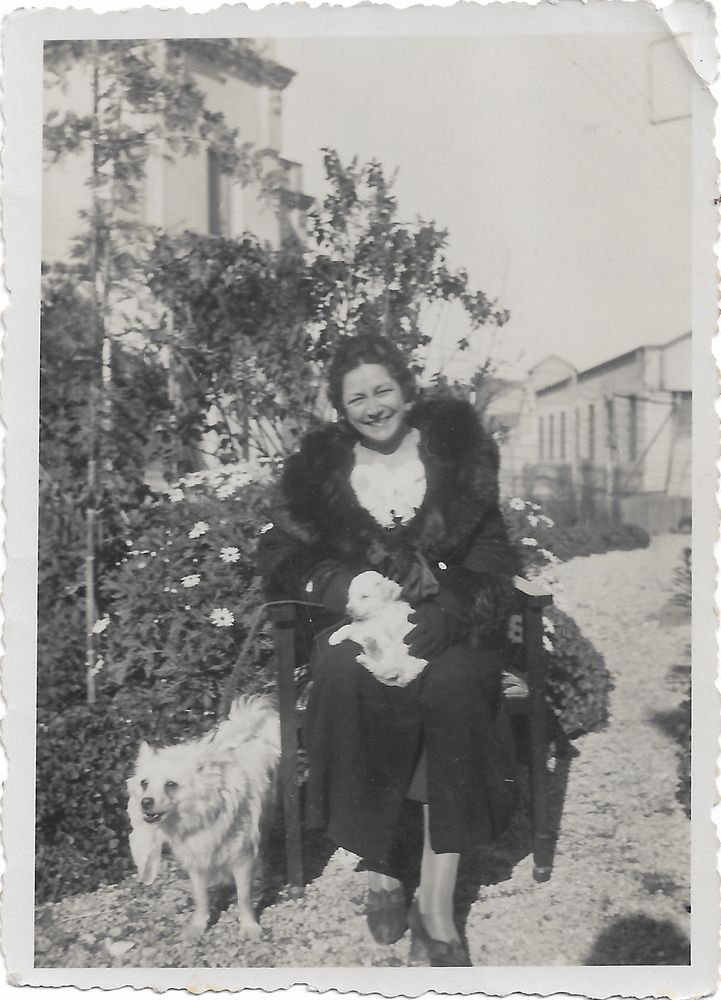
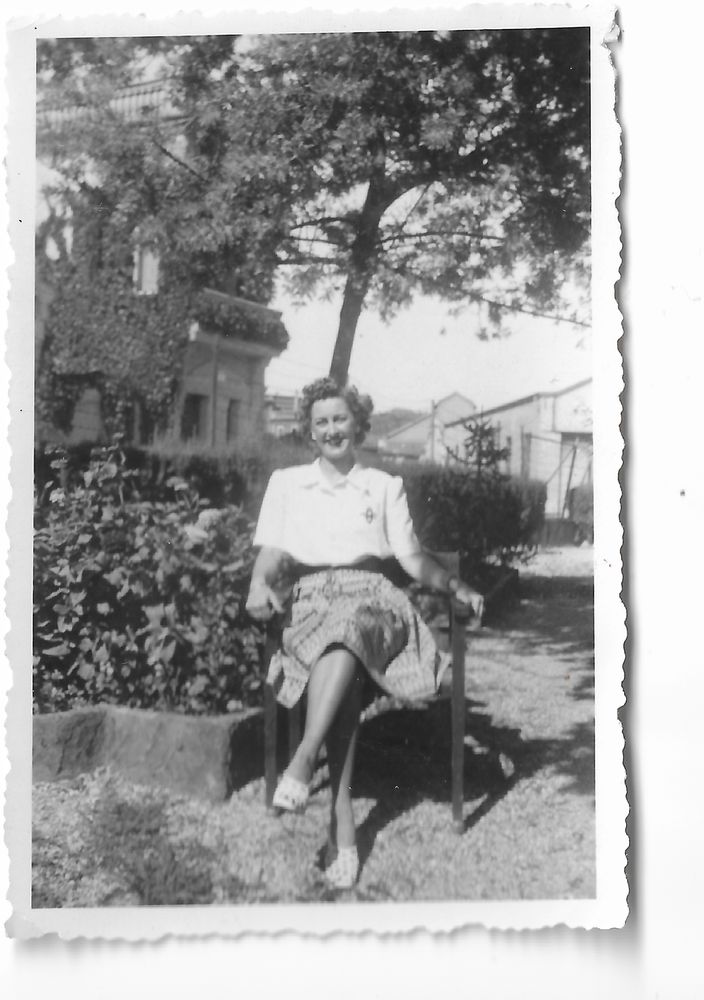
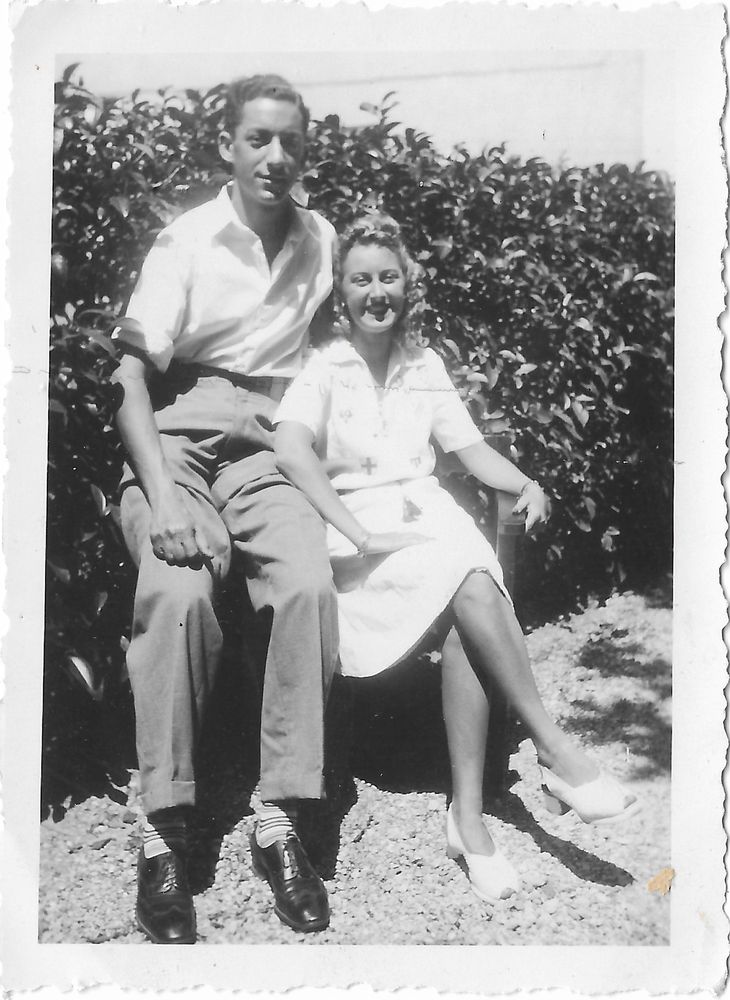
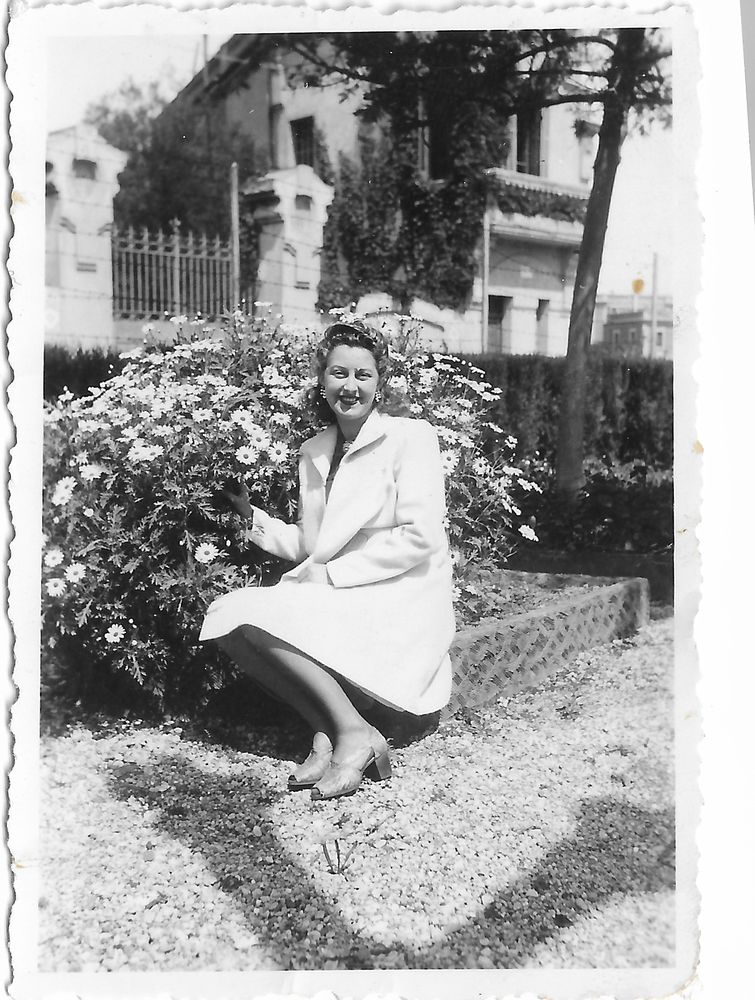
p001 — the woman. anchored on 072, where her own hand says "one of the most recent ones i have had taken of myself". the woman in that frame is the writer. she recurs in the fur stole through 015, 042, 046, 048, 103, 105, and by eye through most of the rest.
she signs nothing. she writes places, dates, other people's names, a sentence to someone — and never her own name. across 106 prints and 76 inscriptions, that absence is consistent enough to be a fact about her rather than an accident.
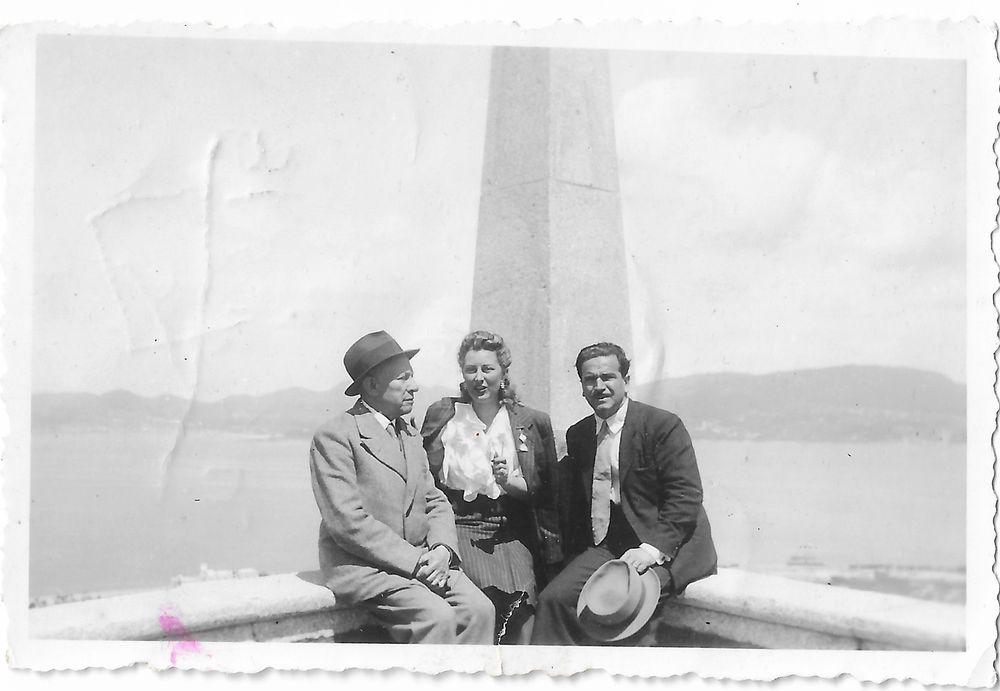
p002 — the moustached man in the light suit. beside her in every frame of the northern trip. no name anywhere.
p003 — enriqueta, the bride of 25 june 1944. no face assigned; the banquet photographs are too crowded to pick her out.
the honest state: we have a bride's name, a recipient's name, and a boy's name. we do not have hers, and nothing in the 212 files gives it. it would have to come from outside them.
what the fronts show
all 106 described.
the material sorts into three lives:
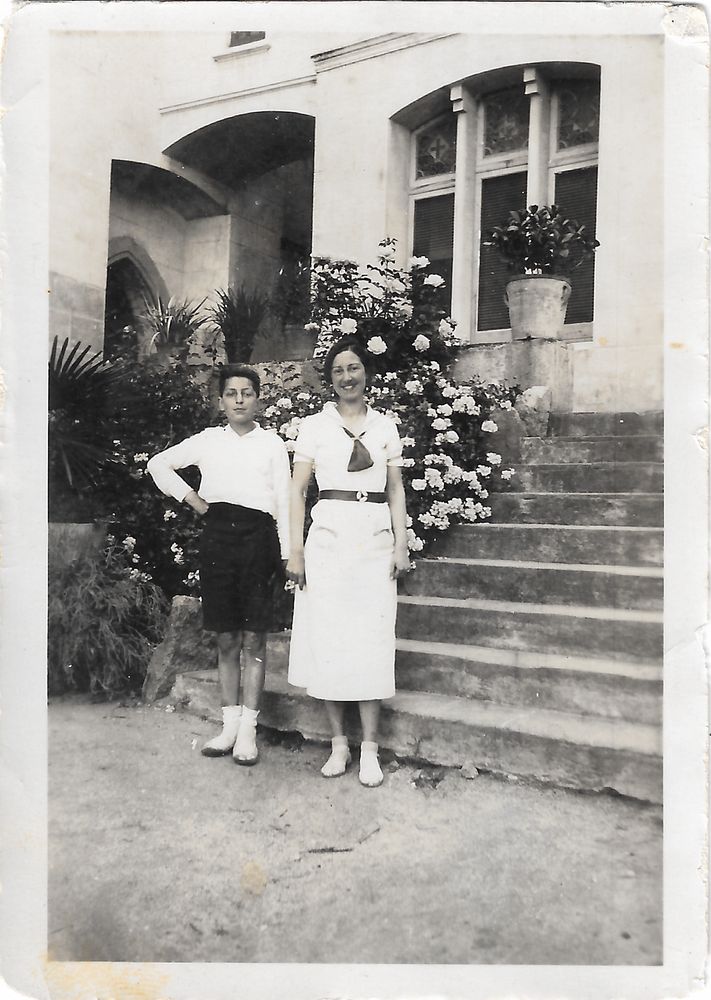
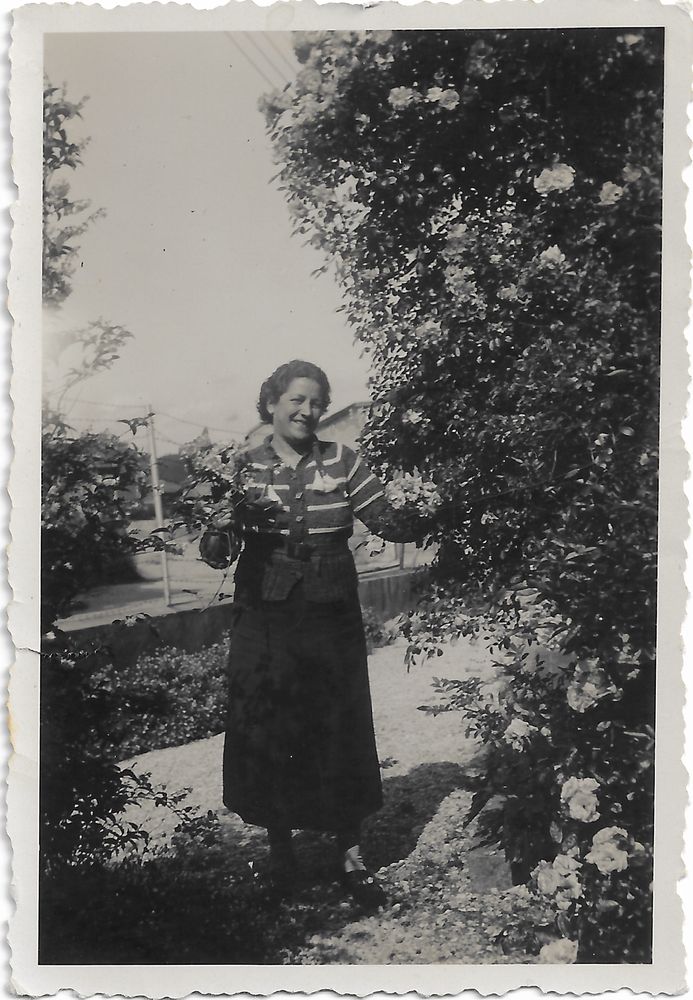
barcelona and the catalan coast, 1930-1941. gardens, villas, dogs, a fiesta street, the tarragona cathedral door, the beach at llafranc, a restaurant in soller. the captions are catalan.
the northern journey, may-june 1944. the single largest body of work, 35 dated prints. parks, promenades, balustrades, the basilica of covadonga, a fountain in vigo, a grotto in oviedo. p001 and p002 in nearly all of them. the captions turn spanish.
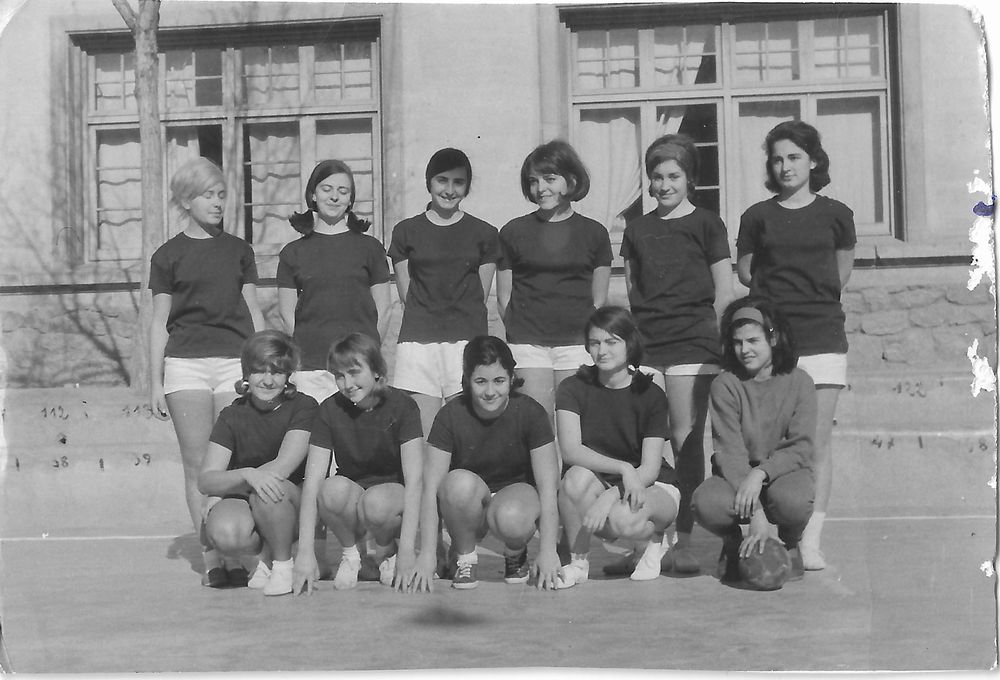
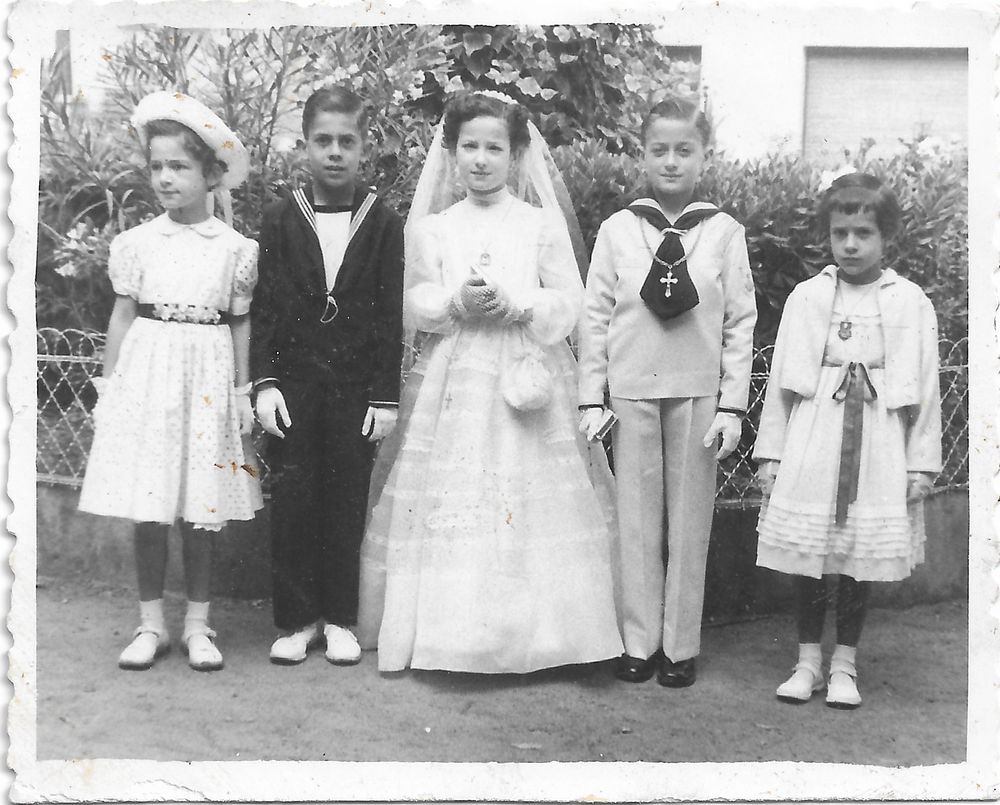
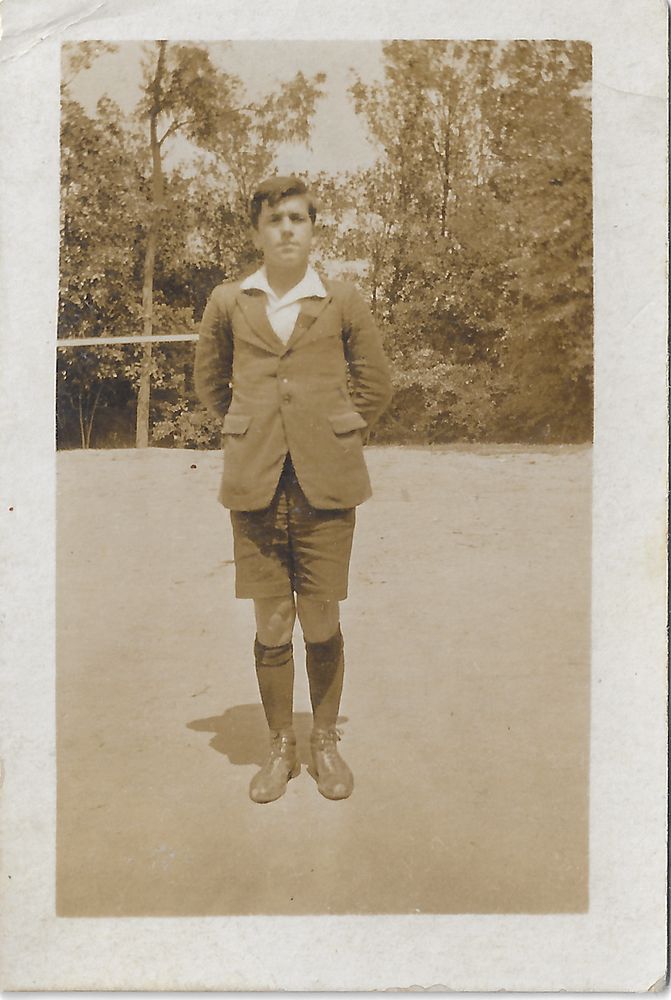
afterwards, 1946-1954. studio portraits of babies, a first communion, a girls' sports team, children in a garden, martorell in 1954. the clothes change decade.
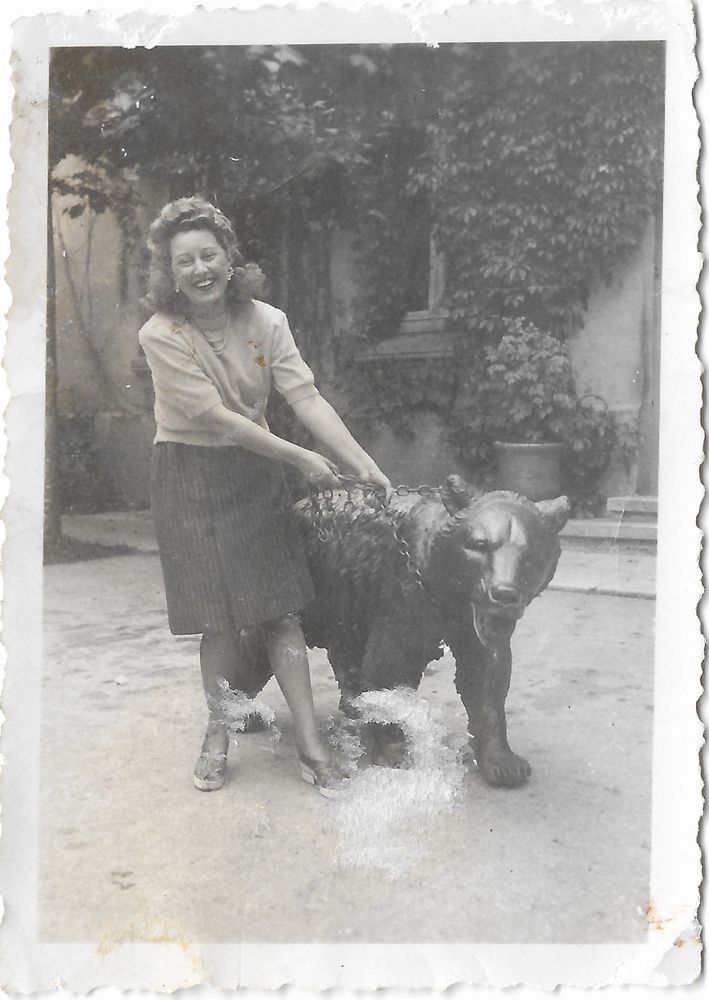
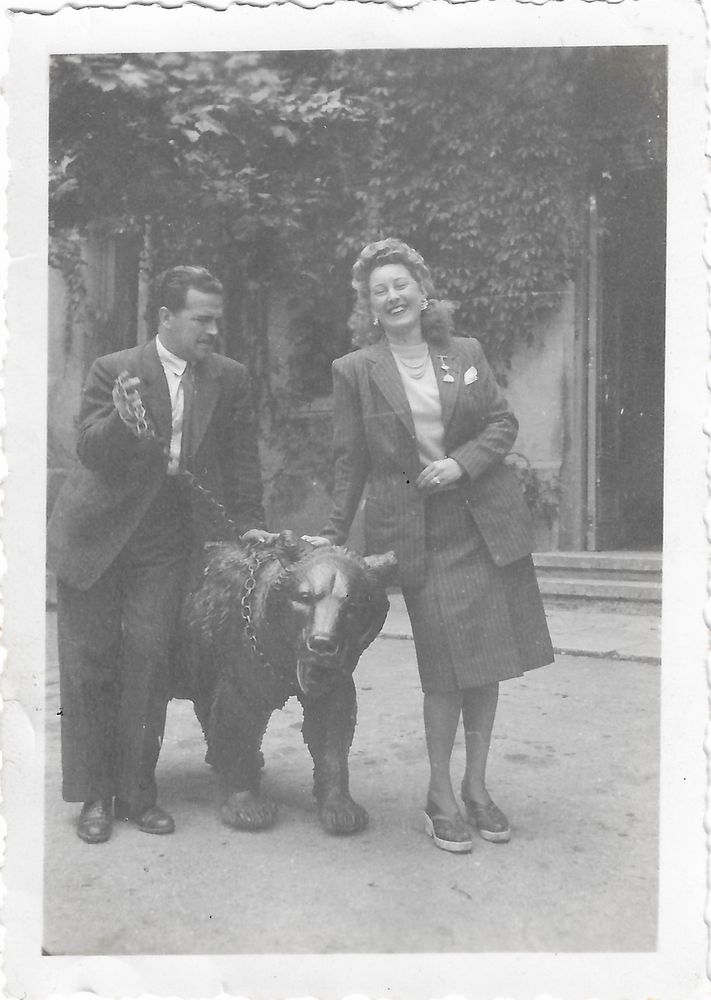
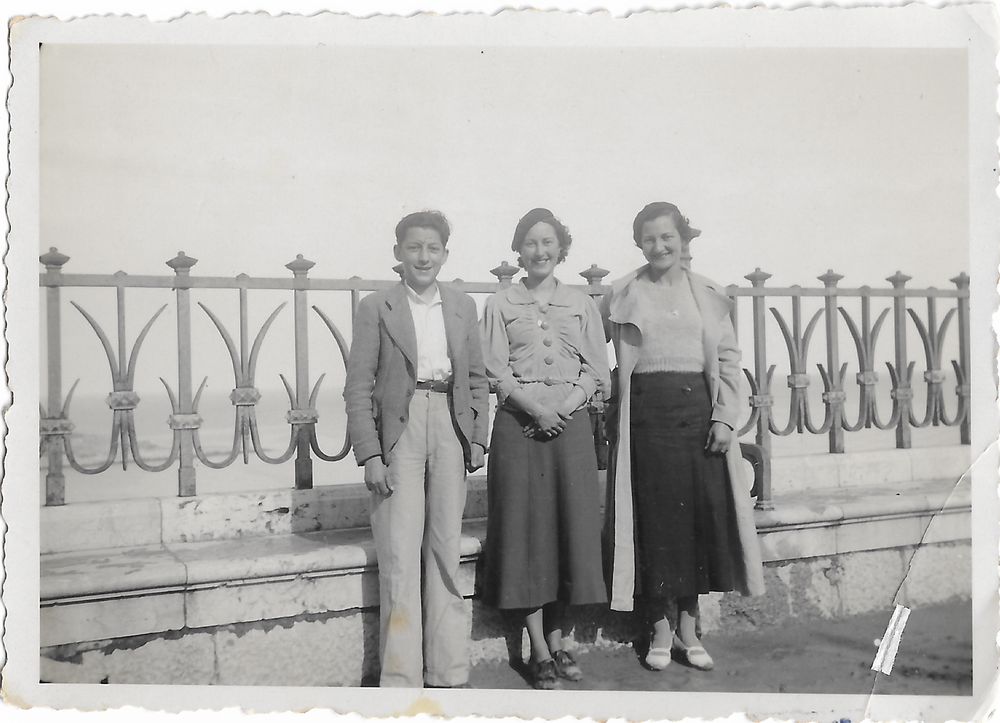
recurring subjects worth chasing: two small white dogs appear across at least seven prints and years — 026, 028, 030, 038, 055, 079, 100. a bronze bear in one garden, twice, 006 and 020. an ornate iron railing above the sea, twice, 032 and 080.
method
how this was made, so it can be made again.
the scan
the scanner is an hp deskjet plus 6400 on the wifi, driven directly over escl — no software in between. post an xml scan job to http://<printer>:8080/eSCL/ScanJobs, then get NextDocument from the location it returns.
the setting that matters: DocumentFormat: application/octet-stream. that returns raw uncompressed rgb, not jpeg — 5100×7016×3 bytes for a full platen at 600dpi, byte-exact, no compression artefact anywhere in the archive. every png here is lossless from that stream.
- 600dpi, rgb24, full platen, one pass, ~70 seconds a sheet
- 1200dpi was tested and is real — six times more spectral energy above 600's nyquist, and the extra sits 4.7× stronger on edges than on flat areas, which is resolved detail and not noise. it was rejected on throughput: 429mb a sheet, and a single transfer dies around 324mb on this wifi, so it has to go in four strips
- six prints per sheet, laid on a card, flipped in place
what was done to the pixels
nothing tonal. no brightness, no contrast, no colour, no sharpening, at any stage.
three geometric operations only:
- deskew — each print sat at an angle, so it is rotated straight about its own centre. an arbitrary angle, so every pixel is bicubic-resampled exactly once. this is the only resampling in the archive
- crop to the print's own minimum-area rectangle, then 0.3mm shaved off each edge so no sliver of card survives
- rotate in 90° steps to set orientation, which moves pixels without recomputing them
the sheets in scans/ are untouched and every derived file can be rebuilt from them.
detection runs on texture, not brightness: local pixel deviation over a 9-pixel window. card 0.06, photographic paper 0.6-1.7. that single choice is what makes white-on-white work.
corrections
a documentary should log its own errors.
| was | is | how it surfaced |
|---|---|---|
| 003 sitges | gijón | re-read at higher contrast |
| 032 "la mirada de fontana" | la mirada de tarragona | second pass, and it pairs with 082 |
| 068 / 092 / 096 villa rosita, valadares, galicia | villa paula, vallvidrera — the hill above barcelona | 092 read properly |
| 070 el sardinero, santander | el castro, vigo | corrected once wrongly to santander first, then read directly |
| 075 28 june | 28 may | pencil pass |
| 089 26 october, "casa nueva" | 20 october, "casa nova" — catalan | pencil pass |
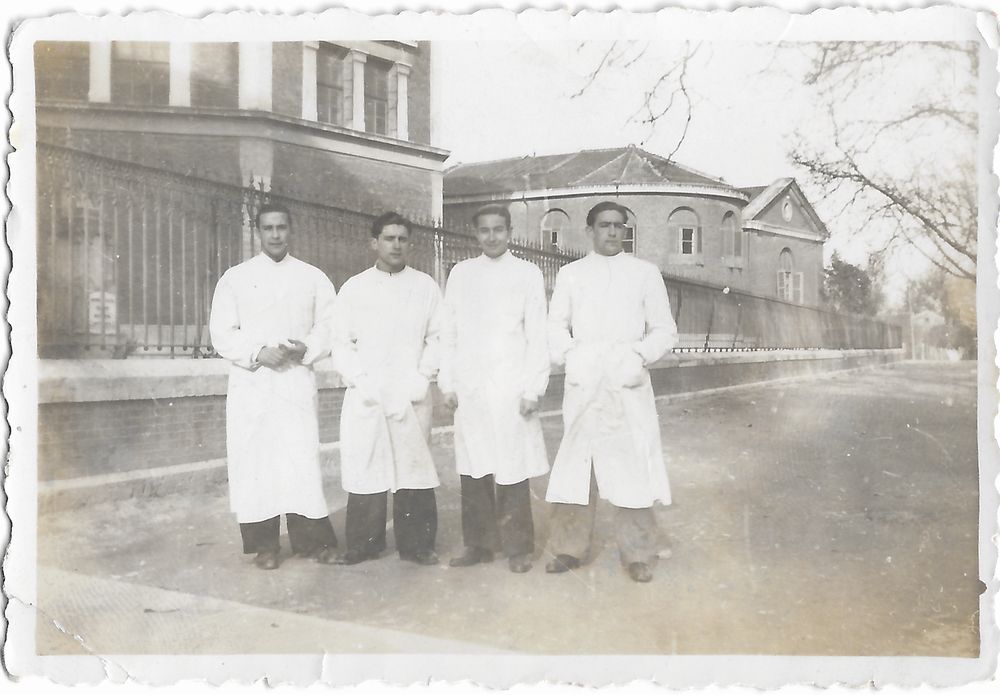
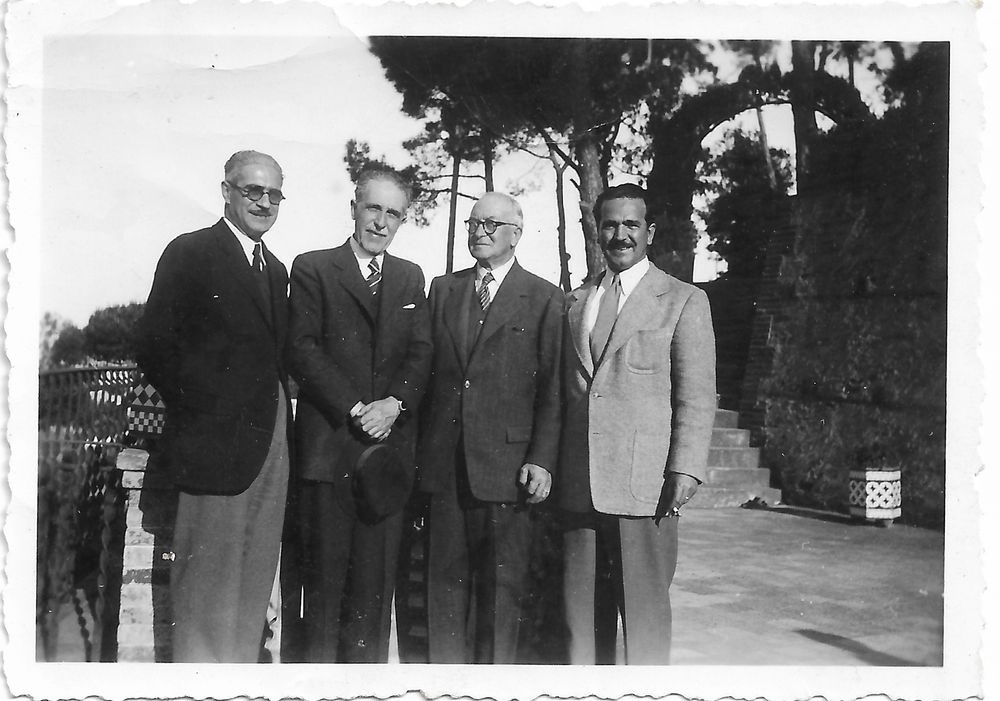
| 007 a market stall | four men at a terrace railing | i had described it from the upside-down frame |
| "most prints are straight-cut" | 77 of 106 are deckle | measured all of them instead of eyeballing one sheet |
the pattern in those is worth naming: every one came from generalising off a single sample. the fix each time was to measure the whole set.
losses
- 002 and 029 hung over the edge of the glass. a strip of each was never captured and cannot be recovered without rescanning the prints
- an early crop bug filled the area outside the sheet with black on ten files, worst 7.4% of the frame. fixed by padding before the rotate, and all ten rebuilt
story.mdwas deleted once, byrm STORY.mdon a case-insensitive filesystem. rewritten from what was still in context. never keep two files whose names differ only in casephoto-039-reverse.pngwas overwritten with a mis-scaled 14-inch crop and regenerated from the sheet
what would be done differently
- flip each print in place. position alone would pair everything, with no inference. seven of eighteen sheets show that pattern and pair cleanly
- use a coloured or black card, not white. white cost the automatic pairing and nearly cost the backs
- record the pencil numerals during the reading pass, not as an afterthought